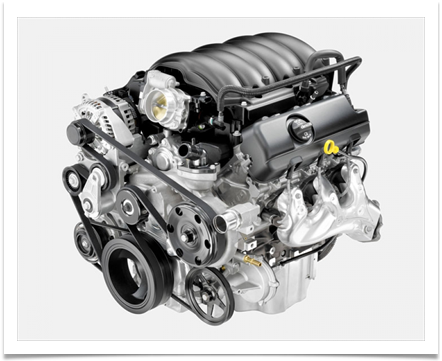
Most people who go hunting for a Toyota 4GR-FSE engine for sale own a Lexus IS250. A smaller group own a Crown, a Mark X or a GS250. Either way the story tends to be the same. The car started ticking on cold starts, then it started using oil, and now a mechanic has told you the bores are scored or the engine is simply finished. The body is fine, the interior is fine, and you’d rather put a good engine in than walk away from the car.
We’re NJ Global Auto Parts. We sell used and rebuilt engines and ship them to buyers around the world. The 4GR-FSE is one we know well, including its weak spots. This guide covers the specs, the cars it fits, the problems to watch for, the checks we make on every Toyota 4GR-FSE engine for sale, how pricing works and how we get it to you. Read the parts that matter to you and skip the rest.
Table of Contents
What You Get With a Toyota 4GR-FSE Engine for Sale
The 4GR-FSE is a 2.5 litre V6 from Toyota’s GR family, the same family that includes the 2GR and 3GR. It’s an all aluminium engine with a 60 degree V, twin overhead cams on each bank, 24 valves and Dual VVT-i, which means variable timing on both intake and exhaust cams. The timing is driven by chain.
The part that makes it different from most other Toyota V6 engines is the fuel system. The 4GR-FSE uses D-4 direct injection, so fuel is sprayed straight into the cylinder instead of into the intake port. That gives it a high 12.0:1 compression ratio and a good spread of power for its size. It also brings one or two issues we’ll get to further down.
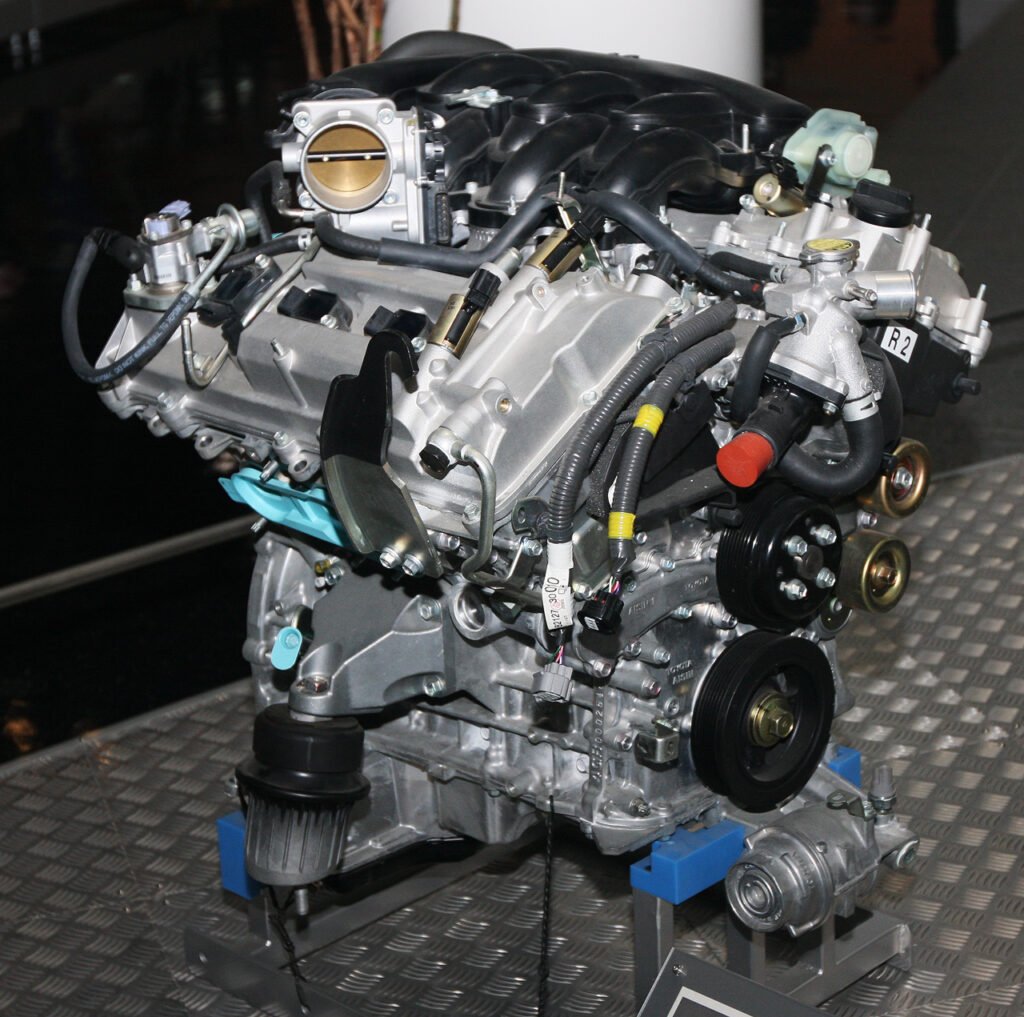
It’s a smooth, quiet engine that likes to rev. It isn’t a torque monster, and in a heavy car it can feel a bit soft low down. But driven the way it was designed to be driven, it’s a sweet little V6. That’s why a good Toyota 4GR-FSE engine for sale is still in steady demand years after the last IS250 left the factory.
If you want the full family tree, the Toyota GR engine page lists every variant. For buying, the details below are what you need.
Toyota 4GR-FSE Engine for Sale: Full Specifications
These are the standard figures. Output was tuned slightly differently for the Lexus and Toyota models and between markets, so the power and torque are given as ranges. Every Toyota 4GR-FSE engine for sale we list is checked against this sheet.
| Engine code | 4GR-FSE |
| Layout | 60 degree V6, petrol |
| Displacement | 2,499 cc (2.5 L) |
| Bore x stroke | 83.0 mm x 77.0 mm |
| Block and heads | Aluminium |
| Valvetrain | DOHC per bank, 24 valves |
| Valve timing | Dual VVT-i (intake and exhaust) |
| Timing drive | Chain |
| Fuel system | D-4 direct injection |
| Compression ratio | 12.0:1 |
| Power | About 149 to 158 kW (200 to 215 hp) at 6,400 rpm |
| Torque | About 243 to 260 Nm |
| Fuel | Premium unleaded recommended (95 RON and up) |
| Oil capacity | Roughly 5.7 to 6.0 L with filter, depending on model |
| Drive layout | Longitudinal, rear wheel drive and all wheel drive versions |
One thing to note: the 4GR-FSE sits lengthways in the car and drives the rear wheels, or all four wheels on some models. It’s not the same as the transverse front wheel drive GR engines in the Camry and RAV4, so you can’t just borrow parts from those.
Which Cars Use the 4GR-FSE
The 4GR-FSE went into Toyota and Lexus rear wheel drive sedans from about 2003 to 2015. The main ones are:
- Lexus IS 250 (XE20, 2005 to 2013), rear drive and AWD
- Lexus IS 250 (XE30, early years in some markets)
- Lexus GS 250 (L10, 2012 onwards in some markets)
- Toyota Crown (S180 and S200) 2.5 litre models
- Toyota Mark X 250G (GRX120 and GRX130)
- Toyota Reiz (the Chinese market Mark X)
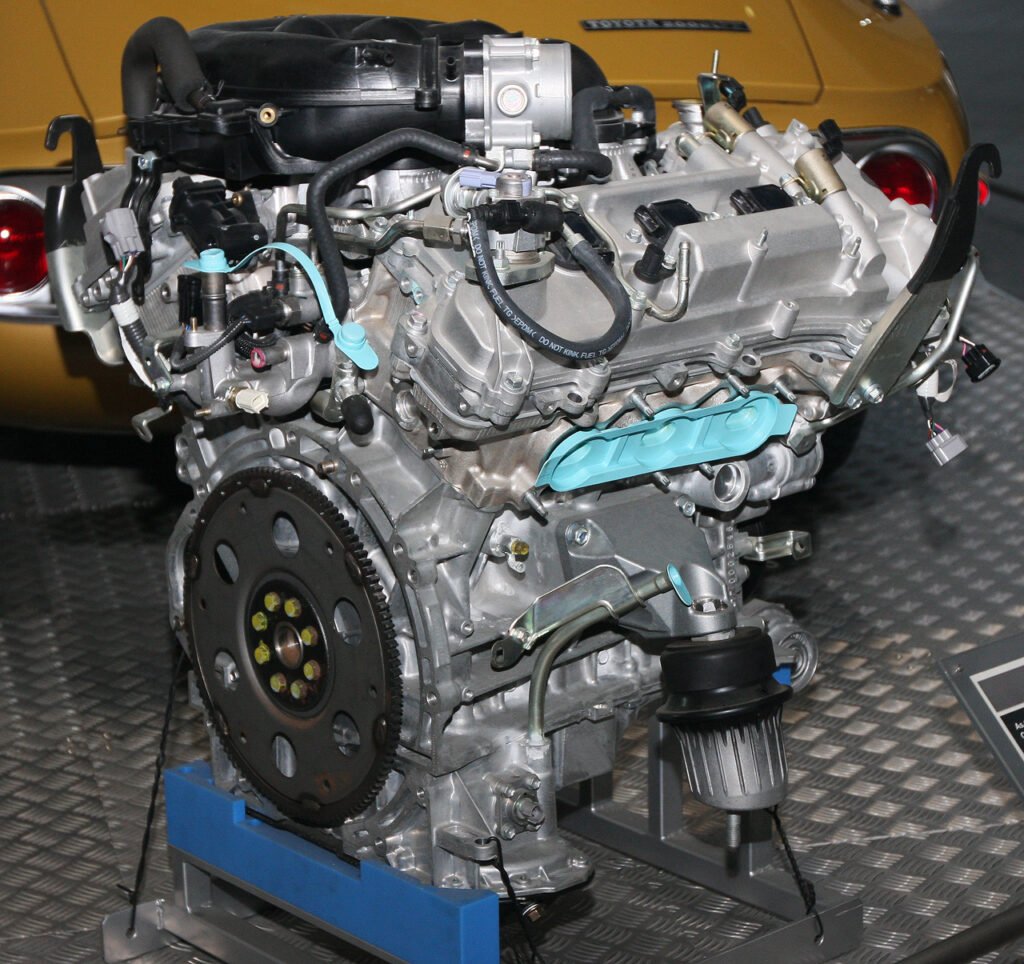
The long block is broadly the same across these, but oil pans, intake parts, wiring, sensors and the AWD front diff arrangement can differ. An engine out of an AWD IS250 has a different sump to a rear drive one. That’s why we always ask for a VIN or chassis number before we confirm any Toyota 4GR-FSE engine for sale is right for your car. You can also check model details on the Lexus site for your region.
Used, Rebuilt or Long Block?
When you compare a Toyota 4GR-FSE engine for sale from different sellers, you’ll see three main types. They’re not the same thing, so it’s worth knowing the difference.
Used complete engine. Taken out of a donor car with most parts still attached, including intake, injectors, fuel pump, coils and often the accessories. It’s the lowest cost option and a good one if it’s been properly checked, especially for the bore problem described below.
Long block. Block, heads, cams and timing gear, without most of the bolt-on parts. You transfer your own intake, injectors and accessories. Saves on freight and cost if your parts are in good shape.
Rebuilt engine. Stripped, measured, and put back together with new wear parts. On a 4GR-FSE that should include checking or re-sleeving the bores if there’s any scoring, new pistons and rings where needed, new bearings, gaskets and seals. It’s the most expensive route and the one with the least risk.
Our guide on rebuilt vs used engines goes deeper into which suits which situation.
7 Checks We Make on Every Toyota 4GR-FSE Engine for Sale
A clean engine on a pallet tells you nothing about what’s going on inside. These are the seven checks we run before a Toyota 4GR-FSE engine for sale gets our approval.
1. Engine Number and Donor Car
We confirm the engine code on the block and record the engine number. We note the donor model, year, mileage and whether it was rear drive or AWD. That’s important for fitment and for customs paperwork.
2. Compression on All Six Cylinders
We compression test every cylinder and look for even numbers across both banks. A low cylinder can mean bore damage, a valve issue or a gasket problem. We don’t sell that as a good runner.
3. Bore Inspection
This is the big one on the 4GR-FSE. Some engines, particularly in the IS250, develop vertical scoring on the cylinder walls. It usually shows up as a ticking or knocking sound when cold, and later as oil use and blue smoke. We scope every bore through the spark plug holes. If we find scoring, that engine doesn’t go out as a used runner.
4. Carbon Build Up on the Intake Valves
Because fuel doesn’t wash over the intake valves on a direct injection engine, carbon can build up on the back of them. Heavy carbon causes rough running and misfires. We check with a scope and clean where needed, and we tell you what we found.
5. Timing Chain and Covers
We check the chain, guides and tensioners, and listen for rattle on start up. We also look at the timing cover for oil seepage, which is a common spot on GR engines.
6. Water Pump and Cooling
The water pump on the 4GR-FSE can leak or get noisy with age. We check the pump and look for coolant traces around the heads and the valley. Overheating is bad news for any aluminium engine.
7. What’s Included
We list exactly what comes with the engine: intake, high pressure fuel pump, injectors, coils, sensors, sump type, accessories. You get this list with every Toyota 4GR-FSE engine for sale we quote, so you know what to expect when you open the crate.
Common 4GR-FSE Problems You Should Know About
The 4GR-FSE is a good engine, but it has a few well known problems. Knowing them helps you judge any Toyota 4GR-FSE engine for sale you come across.
Cylinder bore scoring and piston slap. This is the one owners talk about. Some engines develop scratches in the cylinder walls, which lead to a ticking sound, oil burning and eventually low compression. There’s plenty of debate about the cause. What matters to you as a buyer is that an engine should be checked for it before you pay.
Carbon on intake valves. A side effect of direct injection. It builds up slowly, especially on cars used for short trips. Walnut blasting or chemical cleaning sorts it out.
Timing cover oil leaks. The cover sealant can weep with age. It’s not dangerous but it makes a mess and should be resealed if it’s bad.
Water pump. Leaks and bearing noise are common past a certain age. Easy to replace while the engine is out.
Ignition coils and injectors. A misfire on one cylinder is often a coil. Injector problems are less common but can happen on high mileage engines.
Does Your Car Really Need a New Engine?
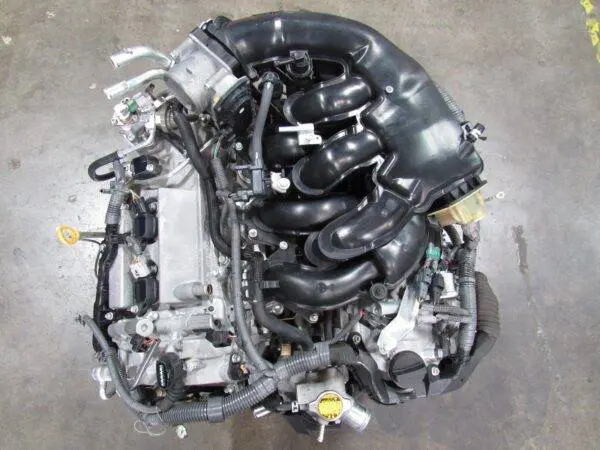
Before you buy a Toyota 4GR-FSE engine for sale, make sure you know what’s wrong with the one you have. A lot of rough running on these engines is carbon or coils, not a dead engine.
If you have a cold start tick that fades as the engine warms, and the car is using oil, get a bore scope inspection. That will tell you straight away whether the bores are scored. If compression is low on one or more cylinders, the engine is on its way out. If compression is good and the problem is misfires or rough idle, try cleaning the intake valves and checking coils first.
If the engine really is finished, replacing it is almost always cheaper than replacing a clean IS250 or Mark X. That’s where the right Toyota 4GR-FSE engine for sale makes sense.
How to Tell a Good Toyota 4GR-FSE Engine for Sale From a Bad One
Here’s what we look for when an engine comes in, and what you can ask any seller to show you.
Bore scope photos. This is the single most useful thing you can ask for on this engine. Clean cylinder walls with visible crosshatch are good. Vertical lines or shiny scuffed patches are not. A seller who has a Toyota 4GR-FSE engine for sale and refuses to scope the bores is telling you something.
Compression numbers. Ask for all six. They should be close together.
Oil condition. Look under the filler cap. Clean brown film is good, sludge or a milky layer is not.
Donor story. An engine from a car that was written off after a collision is usually a safer bet than one pulled because the car was running badly.
Rear drive or AWD. Make sure the sump and front end suit your car. It’s an easy mistake and an expensive one to fix after the fact.
Price. If one Toyota 4GR-FSE engine for sale is far cheaper than all the others, ask why. It may be high mileage, untested or missing parts.
What Affects the Price of a Toyota 4GR-FSE Engine for Sale
These are the things that move the price up or down:
- Used or rebuilt. A rebuilt engine with checked or repaired bores costs more but carries less risk.
- Mileage and condition. Lower mileage and clean bores are worth paying for on this engine.
- How complete it is. A complete engine with high pressure pump, injectors and intake costs more than a long block.
- Rear drive or AWD. AWD engines are less common and can cost a little more.
- Freight. Your location and shipping method have a big effect on the final price.
We quote the engine, what’s included and freight together so you can compare fairly. Current stock is on the Toyota 4GR-FSE engine product page, and you can see all our Toyota engines in one place.
Shipping a Toyota 4GR-FSE Engine for Sale Worldwide
We ship to buyers across North and South America, Europe, Africa, the Middle East, Asia and the Pacific. Every engine is drained, sealed, strapped down and wrapped against dirt and moisture before it leaves.
Sea freight is the cheaper choice and suits most buyers. Air freight costs more but can have your car back on the road much sooner. We’ll give you a price for both if you ask.
Each Toyota 4GR-FSE engine for sale ships with a commercial invoice and packing list for customs. Duties and taxes depend on your country, so it’s worth talking to a local customs broker before the engine arrives. The World Customs Organization has general information on how this works. Our shipping policy and billing terms explain our side.
Fitting Tips From Lexus and Toyota Technicians
Installing a Toyota 4GR-FSE engine for sale in an IS250 or Mark X is a bigger job than a four cylinder swap, but it’s very doable. These steps help it go smoothly:
- Fresh oil and filter before first start, no matter what came in the engine.
- Replace the water pump and thermostat while the engine is out.
- Check the radiator and hoses. An aluminium V6 doesn’t forgive overheating.
- Transfer sensors carefully and match connectors before final install.
- Check the high pressure fuel pump and fuel lines are clean and tight.
- Crank with injectors disabled to build oil pressure before it fires.
- Warm it up fully, check for leaks, clear any stored fault codes and then road test.
For official service information in your region, the Toyota global site will point you to the right place.
Looking After the 4GR-FSE Once It’s Running
Whether you bought a used or a rebuilt Toyota 4GR-FSE engine for sale, a little care goes a long way.
- Let it warm up for a minute before driving hard, especially on cold mornings.
- Use good quality oil in the correct grade, usually 0W-20 or 5W-30 depending on climate, and change it on time.
- Check oil level regularly for the first few months. Any rise in consumption is a warning worth catching early.
- Use premium fuel. The high compression ratio is happier on it.
- Take the car for a longer drive now and then. Lots of short trips encourage carbon build up.
- Plan an intake valve clean every so often on high mileage engines.
Swapping to a Different Engine Instead
Some IS250 owners ask about putting in a 2GR-FSE (the 3.5 litre from the IS350) or even a V8. It can be done, but it’s a big project with wiring, ECU, cooling, gearbox and certification issues depending on where you live. For most people who just want the car back on the road, a matching Toyota 4GR-FSE engine for sale is the simplest and cheapest answer. If you are set on more power, talk to us first and we’ll tell you honestly what’s involved.
Questions to Ask Before You Pay for a Toyota 4GR-FSE Engine for Sale
Whoever you buy from, these questions will tell you a lot:
- Have the bores been scoped, and can I see the pictures?
- What were the compression numbers on all six cylinders?
- Which car did it come from, rear drive or AWD, and what mileage?
- Is it complete, or a long block? Exactly what’s included?
- What warranty comes with it and what are the conditions?
- How will it be packed and what will freight cost to me?
If you can’t get straight answers, keep looking.
What Happens When Your Engine Arrives
When the crate lands, don’t rush it. Before you sign for the delivery, look at the packaging. If the crate is broken, wet or the pallet is cracked, take photos with the driver there and note it on the delivery paper. That protects you if something was damaged on the way.
Once it’s open, check the engine against the list on your quote. Make sure the engine number matches the one we gave you. Look for any fresh damage to the sump, the coil packs, the injectors and the sensors, since those are the parts that tend to get knocked in transit. If anything isn’t right, contact us straight away with photos. We keep inspection pictures of every Toyota 4GR-FSE engine for sale we ship, so we can compare and sort it out quickly.
Then store it somewhere dry until it goes in. An engine left outside in the rain for a few weeks can pick up rust on the flywheel face and moisture in places you don’t want it.
Buying for a Workshop or Dealer
Some of our buyers are workshops that specialise in Lexus and Toyota, or dealers who bring in IS250 and Mark X cars that need an engine before resale. If that’s you, we can hold stock, ship more than one engine at a time to bring freight costs down, and keep records of the test results for each Toyota 4GR-FSE engine for sale so you can pass them on to your own customers. Tell us how many engines you usually need and we’ll work out a price.
Other Engines We Supply
If you came here for a Toyota 4GR-FSE engine for sale but also look after other cars, we stock plenty of other Toyota and Lexus engines, including:
- Toyota 3GR-FSE, the 3.0 litre sister engine used in the GS300 and Crown
- Toyota 2GR-FKS, the newer 3.5 litre V6
- Toyota 2UR-FSE V8 for Lexus LS and GS hybrid models
- Toyota 2AZ-FE for Camry, RAV4 and more
- Toyota 1UZ, 2UZ and 3UZ V8 engines
You can browse everything in the used engines section.
Why Buy From NJ Global Auto Parts
We know how this trade can go wrong. Engines get mixed up, photos don’t match, and buyers find out about the scored bores after they’ve paid for fitting. We work hard to avoid all of that.
Every engine is checked, photographed and described honestly. If we find a problem, we tell you. If we think an engine isn’t right for your car, we say so, even if it means losing the sale. Read more about us, look at our refund and returns policy, or go straight to the shop. The blog has more buying guides if you want to keep reading.
Frequently Asked Questions
Is the 4GR-FSE a reliable engine?
Mostly, yes. The main risk is bore scoring on some engines, which is why a bore scope check matters so much.
Does the 4GR-FSE use a timing belt or chain?
A chain.
Will a 4GR-FSE from a Mark X fit my IS250?
The core engine is closely related, but sumps, intake parts, wiring and sensors can differ. Send us your VIN or chassis number and we’ll confirm.
Is your Toyota 4GR-FSE engine for sale used or rebuilt?
We offer both, and every listing and quote says which.
Does it come with a warranty?
Yes. Terms depend on whether the engine is used or rebuilt and are written on your quote.
Do you ship to my country?
Almost certainly. We ship worldwide by sea and air and quote freight before you pay.
A Toyota 4GR-FSE engine for sale is only a good buy if the bores are clean and the seller is straight with you. That’s how we try to do business. Send your VIN or chassis number through our contact page, tell us where you are, and we’ll get back to you with what we have and a full delivered price.