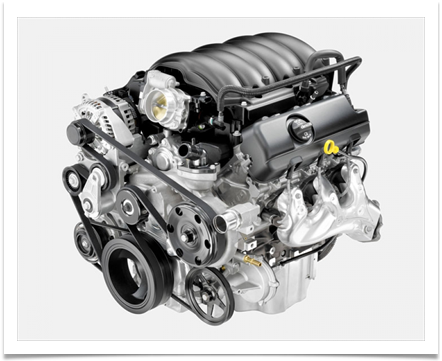
Rebuilt vs. used engine: which is right for you? It is probably the single most common question we get asked at NJ Global Auto Parts, and honestly, there is no one-size answer – it depends on your budget, how long you plan to keep the vehicle, and how the old engine actually died. We sell both, we ship both worldwide, and we would rather walk you through the real tradeoffs than just push whichever one happens to be sitting in stock. So let us actually get into it, with real numbers and real examples from what we stock, instead of the vague “it depends” answer you have probably already heard somewhere else.
Table of Contents
- What “Rebuilt” Actually Means
- What “Used” Actually Means
- Cost: What You Are Actually Paying For
- Warranty: The Part People Skip Over
- Expected Lifespan After Installation
- When a Used Engine Is the Smarter Choice
- When a Rebuilt Engine Is Worth the Extra Money
- What We Actually Offer Both Ways
- Questions to Ask Before You Decide
- Shipping Either Option Worldwide
- Frequently Asked Questions
- How We Decide Whether an Engine Gets Listed as Used or Rebuilt
- A Real Example From Our Own Stock
- Why the Machining Step Matters
- Total Cost Over Time, Not Just Day One
- The Hidden Cost of Choosing Wrong
- What Our Inspection Actually Catches
- The Fastest Way to Decide If You Are Still Unsure
- Rebuilt vs. Used Engine: Which Is Right for You? Our Final Take
What “Rebuilt” Actually Means
A rebuilt engine has been taken apart down to the block, inspected, and had its wear components replaced before it goes back together. That typically means new piston rings, new bearings on the crankshaft and connecting rods, new gaskets and seals throughout, and often a fresh set of injectors or a reconditioned turbo depending on what the inspection turned up. The block itself usually gets machined – the cylinders bored or honed to spec, the head resurfaced if it was warped or pitted – so you are not just cleaning up the old parts, you are correcting wear that built up over the engine’s first life. Done properly, this is closer to remanufacturing than repair, and it is a real process, not a marketing word slapped on a used part. The tradeoff is time and cost. Machining and parts add real labor hours, and that shows up in the price.
What “Used” Actually Means
A used engine is pulled from a donor vehicle, tested, and sold largely as it came out – no internal parts replaced unless something specific failed the inspection. We compression test every cylinder, check the turbo for shaft play, and look over the bottom end where that is practical, but the rings, bearings, and seals inside are whatever came out of the donor vehicle. If that vehicle had 60,000 miles on it and a clean service history, you are getting an engine with 60,000 miles of life already used up and, in most cases, plenty left. The appeal here is straightforward: lower price, faster turnaround, and in a lot of cases genuinely low mileage, especially with the import units we bring in from markets with strict vehicle turnover.
Cost: What You Are Actually Paying For
This is usually where the decision gets made, so let us be direct about it. A used engine typically runs thirty to fifty percent less than a rebuilt version of the same code, because you are not paying for machining, new internals, or the extra labor hours that go into a proper teardown and rebuild. A rebuilt engine costs more upfront but you are paying to reset the clock on the parts most likely to wear out – rings, bearings, seals – which are exactly the parts that are expensive and painful to replace later if they fail with the engine already installed. Neither price is “better” on its own. A used engine at half the price of a rebuilt one is a great deal if it lasts you the years you actually need it for. It is a bad deal if it needs a rebuild itself in eighteen months. That is why the honest answer to rebuilt vs. used engine: which is right for you always comes back to how long you are planning to keep the vehicle.
Warranty: The Part People Skip Over
Warranty terms tell you a lot about how confident a seller actually is in what they are selling. Rebuilt engines generally carry longer or more comprehensive warranty coverage, because the internals have been inspected and replaced piece by piece, so there is less unknown risk sitting inside the block. Used engines still carry a warranty with us, but it is typically shorter and more narrowly focused on the parts we specifically tested – compression, turbo condition, and so on. Read the fine print either way, and ask specifically what is covered versus what is not. A warranty that only covers “manufacturing defects” on a used part that came off a fifteen-year-old donor vehicle is not really protecting you from much. Ask direct questions before you buy, not after something goes wrong.
Expected Lifespan After Installation
| Factor | Used Engine | Rebuilt Engine |
|---|---|---|
| Internal wear parts | Original, tested but not replaced | Rings, bearings, seals replaced |
| Typical remaining life | Depends heavily on donor mileage – often strong if low mileage | Closer to a fresh engine’s expected lifespan |
| Upfront cost | Lower | Higher |
| Typical warranty | Shorter, more limited | Longer, broader coverage |
| Lead time | Usually faster – ready to ship | Can take longer if built to order |
None of this is a trick table designed to steer you one way. It is genuinely a tradeoff, and the right column for you depends entirely on your situation, which is the whole point of asking rebuilt vs. used engine: which is right for you before you commit to either one.
When a Used Engine Is the Smarter Choice
If your budget is tight, if you need the vehicle back on the road fast, or if you are keeping the vehicle for another year or two rather than another decade, a used engine usually makes more sense. It also makes sense if you can find a genuinely low-mileage unit – and this is where imported diesel and gas engines have an edge, because vehicles in markets with strict roadworthiness rules often get retired with plenty of life left in the drivetrain. A used engine under a work truck that gets traded in three years from now does not need a rebuilt-grade warranty. It needs to run reliably and cost less than the alternative, and that is exactly what a tested used engine delivers.
When a Rebuilt Engine Is Worth the Extra Money
If you are keeping the vehicle long-term, towing heavy loads regularly, or running the vehicle commercially where downtime costs you real money, a rebuilt engine is usually worth the higher price. You are paying to remove the biggest unknowns – worn rings, tired bearings, aging seals – before they become a problem on the side of the road. It also makes sense if the original engine failed catastrophically, because a rebuild lets you address whatever caused that failure directly, rather than hoping the replacement does not have the same weak point. Fleet operators and anyone running a vehicle as their livelihood tend to lean rebuilt for exactly this reason – the math works out when downtime is expensive.
What We Actually Offer Both Ways
A good chunk of our inventory is available as either a tested used unit or a fully rebuilt option, and the listing will tell you which condition you are looking at. The Toyota 2KD-FTV is a good example – we regularly stock both a used version and a rebuilt version of this exact engine, so you can compare the price difference directly instead of guessing. The Isuzu 4JJ3-TCX and the BMW M57 both move through our warehouse in both conditions too. It is not just a diesel decision either – we get the same rebuilt vs. used question constantly on gas engines like the Nissan RB26DETT, the Mitsubishi 6G74, and the Toyota 1UZ-FE / 2UZ-FE / 3UZ-FE family. If you have already read our breakdown of what a used diesel engine for sale actually involves, this is the natural next step – deciding whether used or rebuilt fits your specific truck and your specific budget.
Questions to Ask Before You Decide
Ask what specifically was replaced on a rebuilt unit – a real rebuild shop can list the parts by name, not just say “fully rebuilt.” Ask for the compression test numbers on a used unit, cylinder by cylinder. Ask what the warranty actually covers and for how long, in writing, not just verbally on a call. Ask about the mileage or hours on the donor vehicle if it is a used unit, and ask how the engine was tested before listing. And ask what happens if something goes wrong after install – a seller with a real answer to that question, on either a used or rebuilt engine, is a seller worth buying from.
Shipping Either Option Worldwide
Whichever way you go, we ship both used and rebuilt engines to customers worldwide, not just locally. Rebuilt engines get the same careful crating as used ones, since a freshly machined block deserves just as much care in transit as a tested used unit. Transit time runs on the same general timeline either way – a few business days to prepare for shipment, then anywhere from a couple of days for regional freight to several weeks for ocean freight depending on your destination. We quote freight separately from the engine price so you always know exactly what you are paying for the unit itself versus what it costs to get it to your door.
Frequently Asked Questions
Is a rebuilt engine basically the same as new?
Not quite, but it is close in terms of the parts most likely to fail. The block itself has already done one full service life, so it is not identical to a factory-new unit, but the wear components that actually cause most engine failures have been replaced.
Can I upgrade from used to rebuilt after I have already bought a used engine?
Not really, in the sense of converting the same physical engine – but many shops will rebuild a used engine you already own down the line if you decide you want the extra reliability later. It is a separate service, not something bundled into the original purchase.
Which option is better for a daily driver?
If it is your only vehicle and downtime is expensive for you personally, lean rebuilt. If you have a backup vehicle or some flexibility, a tested used engine is usually the more economical choice.
Do rebuilt engines take longer to ship?
Sometimes, if the rebuild is being finished to order rather than sitting ready in stock. We will tell you upfront whether the specific listing you want is ready to ship or still in process.
Is there a middle ground?
Sort of – some of our used engines have had select components replaced, like a turbo or injector set, without a full rebuild. Ask on the specific listing if you want something between the two extremes.
How We Decide Whether an Engine Gets Listed as Used or Rebuilt
Not every engine that comes through our warehouse gets the same treatment, and that is intentional. When a unit comes off a low-mileage donor vehicle with a clean compression test across every cylinder and no red flags on the turbo or bottom end, it goes up as a used listing at the lower price point, because there is no reason to charge you for machining work it does not need. When a unit shows borderline compression on one or two cylinders, visible wear on the bearings during inspection, or comes off a higher-mileage donor, it goes to the rebuild bench instead of the used listing. That means the “rebuilt” tag on our site is not a marketing label we slap on everything to charge more – it reflects an engine that actually needed the work before it was fit to sell with confidence. This is also why you will sometimes see the exact same engine code listed both ways at the same time: two different donor units, two different conditions, two honest prices.
A Real Example From Our Own Stock
Take the Toyota 2KD-FTV as a concrete example instead of talking in the abstract. A tested used unit from a mid-mileage import typically lists well under the rebuilt version of the same code, and for a lot of Hilux and Hiace owners running the vehicle as a work truck for another year or two, that used unit is plenty. But we have also rebuilt 2KD-FTV units for customers running fleets of delivery vans who cannot afford a repeat failure six months after paying for labor – for them, the extra cost upfront was the cheaper decision once you account for a van sitting idle instead of earning money. Same engine code, same warehouse, two completely different right answers depending on who was buying and what they needed it for.
Why the Machining Step Matters
The machining part of a rebuild is not cosmetic. Boring or honing the cylinders to the correct spec restores the surface the new rings need to seal against – skip this step and even brand new rings will not seal properly against a cylinder wall that has developed taper or ridges from the first tens of thousands of miles. Resurfacing the head does the same job for the head gasket, correcting warping that can happen from age or a previous overheating event even if it is not visible to the eye. This is the part of a rebuild that separates a proper machine-shop job from someone who just swapped a few parts and called it rebuilt. Ask specifically whether machining was part of the process, because that single question tells you more about the quality of a rebuild than almost anything else on the listing.
Total Cost Over Time, Not Just Day One
It helps to think in terms of cost per year of ownership rather than the number on the invoice. A used engine at, say, sixty percent of the rebuilt price, that lasts you four solid years before needing major work, often costs less per year than a rebuilt engine that lasts eight years at full price – if you are only keeping the vehicle for four years anyway. Flip the ownership timeline to eight or ten years and the math flips too, because now you are potentially paying for two used engines back to back versus one rebuilt engine that covers the whole stretch. Neither path is universally cheaper. It genuinely comes down to your specific timeline, which is exactly why we walk customers through this instead of just pointing at whichever unit has better margin for us.
The Hidden Cost of Choosing Wrong
The number that matters is not just the sticker price of the engine, it is what happens after installation. If you buy a used engine that turns out to have more wear than expected and it needs a rebuild eighteen months later, you are paying labor twice – once to install the used engine, and again to pull it back out for the rebuild. That is the scenario that makes rebuilt vs. used engine: which is right for you worth actually thinking through instead of just grabbing whatever is cheapest on the page. On the flip side, paying rebuild prices for a vehicle you are trading in next year is money that never comes back to you either. The right choice is not the cheapest option or the most thorough option in isolation, it is whichever one matches how long you are actually going to own the vehicle and how it gets used day to day.
What Our Inspection Actually Catches
People sometimes assume “used but tested” is a soft claim, so it is worth spelling out what the inspection actually involves before an engine gets listed either way. Compression testing on every cylinder catches worn rings, valve seating issues, and head gasket problems before they ever reach you. A borescope or oil pan inspection on the bottom end, where the design allows it, catches bearing wear and scoring that a compression test alone will not always show. Checking the turbo shaft for play catches bearing wear that would otherwise show up as smoke or boost loss a few weeks after install. None of this is guesswork, and none of it is optional – it is the same process whether the engine ends up listed as used or gets sent to the rebuild bench, because the inspection is what determines which listing it belongs in to begin with.
Does a rebuilt engine ever fail sooner than a good used one?
It can, if the rebuild work itself was rushed or done with low-quality parts, which is exactly why it matters who did the rebuild and what parts they used, not just the word “rebuilt” on the listing.
Should I ask for photos of the rebuild process itself?
Yes, and any shop confident in its work will have them. Photos of the bored cylinders, the new bearings before assembly, and the finished long block tell you a lot more than a paragraph of marketing copy ever will.
The Fastest Way to Decide If You Are Still Unsure
A couple of practical signs can help you decide quickly if you are still on the fence. If the old engine died from a single isolated cause – a timing belt snapped, a hose burst and it overheated just the once – and everything else in the engine tested fine, a used replacement is usually the right call, because nothing else was actually worn out to begin with. If the old engine died from age and general wear across the board – high mileage, gradually dropping compression over several years, oil consumption creeping up – a rebuilt replacement addresses the actual root cause instead of just swapping one gradually worn engine for another one that is a few years behind it on the same path. That one distinction resolves the decision for most people faster than any cost chart or comparison table ever will. And if you are still not sure after reading all of this, that is exactly what we are here for – tell us how the old engine failed and how you use the vehicle, and we will tell you honestly which option we would put our own money on.
Rebuilt vs. Used Engine: Which Is Right for You? Our Final Take
If we had to boil rebuilt vs. used engine: which is right for you down to one question, it would be this – how long are you keeping the vehicle, and what does downtime actually cost you if something goes wrong? Short-term ownership and a tight budget point toward a tested used engine. Long-term ownership, heavy use, or a vehicle you cannot afford to have off the road point toward a rebuilt one. Either way, buy from someone who will actually answer your questions before you pay, not after. Browse our current stock of both used and rebuilt engines, and reach out if you are not sure which one fits your situation – we would rather spend ten minutes on the phone with you now than have you regret the choice six months from now.