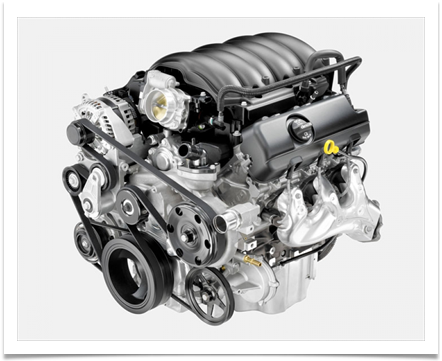
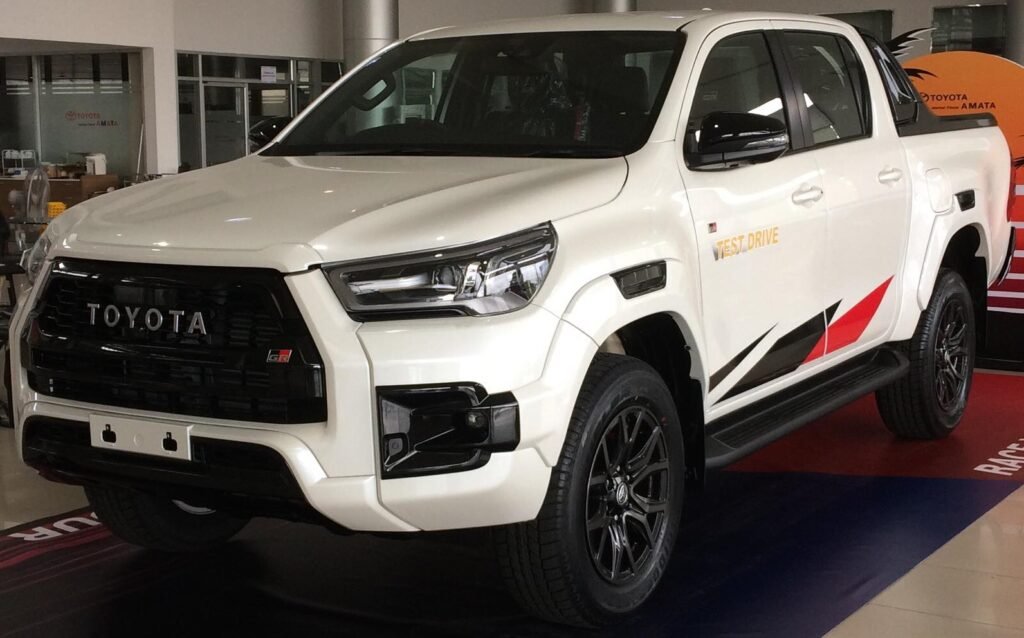
If you are looking at a Toyota 1GD-FTV engine for sale because the one in your Hilux or Fortuner just threw a code and went into limp mode, you are not alone, and you are probably not dealing with a random failure either. The 1GD-FTV is a good engine overall, but it has a short list of well-known weak points, and knowing them before you buy a replacement is what separates someone who fixes the problem for good from someone who does this twice. We sell tested Toyota 1GD-FTV engines here at NJ Global Auto Parts, we ship them worldwide, and this is the honest rundown of what the engine actually is, what tends to go wrong with it, and what we specifically check for before we let one leave the warehouse. No sales fluff, no copy-pasted specs sheet – just what we have actually learned from pulling, testing, and shipping this exact engine code over and over.
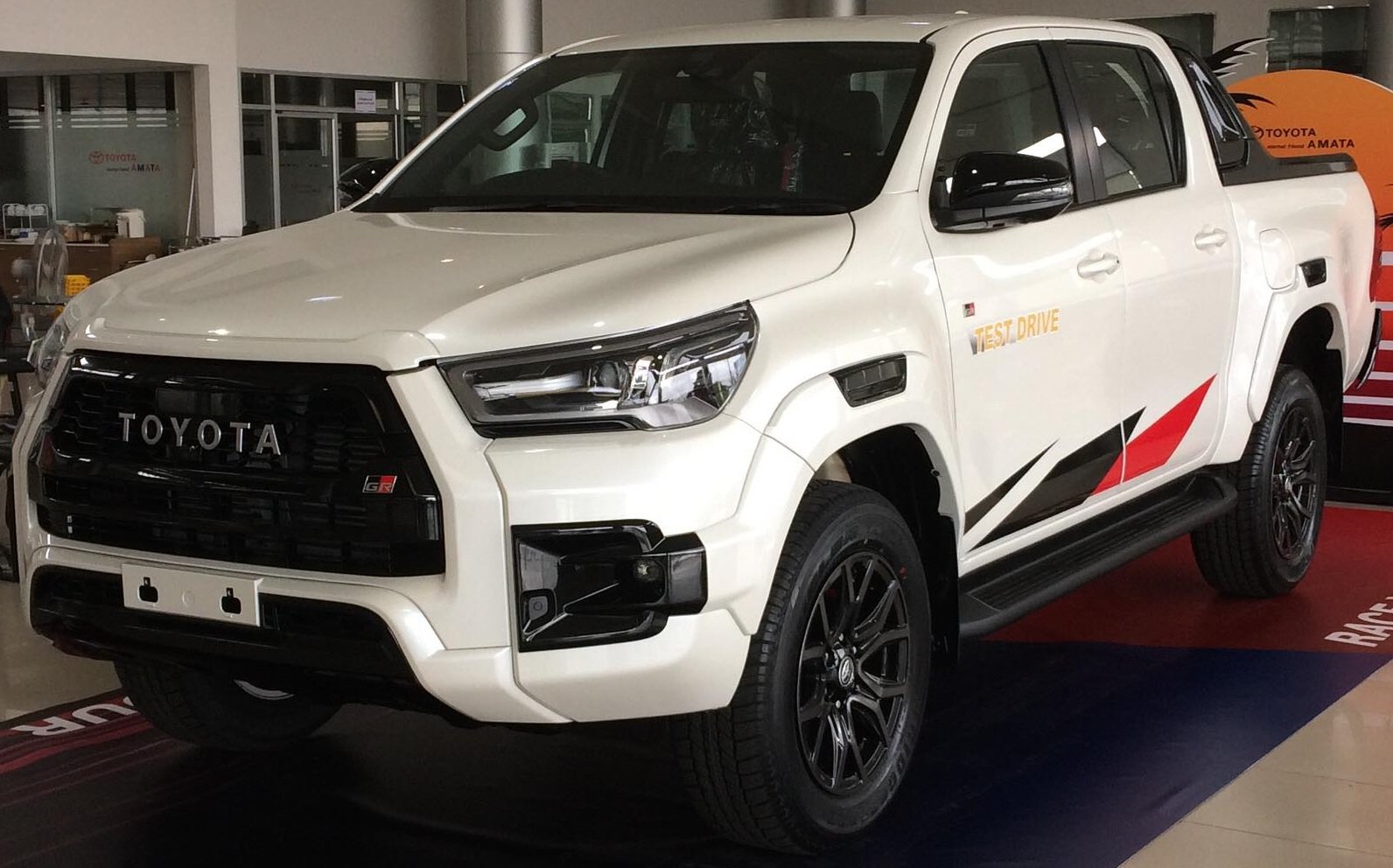
Table of Contents
- Toyota 1GD-FTV Specs, Straight Up
- Common Problems People Actually Run Into
- What We Check Before Listing a 1GD-FTV as a Toyota 1GD-FTV Engine for Sale
- Why Buy a Tested Used 1GD-FTV Instead of New
- How to Check Any Used 1GD-FTV Yourself
- Shipping a 1GD-FTV Engine Anywhere in the World
- What You Get When You Buy From Us
- Frequently Asked Questions
- Why the 1GD-FTV Replaced the 1KD-FTV in the First Place
- Fuel System Sensitivity Worth Knowing About
- Is It Worth Fixing the Old Engine or Just Replacing It
- What Installing a Replacement 1GD-FTV Involves
- How Long the Whole Process Takes
- Red Flags When Shopping for a 1GD-FTV Online
- 1GD-FTV vs 1KD-FTV vs 2GD-FTV: Quick Comparison
- Why Paperwork Matters More With This Particular Engine
- Bottom Line
Toyota 1GD-FTV Specs, Straight Up
The 1GD-FTV is a 2.8-liter inline-4 turbo diesel, DOHC with 16 valves, running a common rail direct injection system and a variable geometry turbocharger. Depending on the market and the tune, output runs anywhere from roughly 174 horsepower up to about 201 horsepower on the more recent updated versions, with torque figures between roughly 450 and 500 Nm. Toyota has used this engine since around 2015 in the Hilux Revo, the Fortuner, the Innova Crysta, and in some markets the facelifted Land Cruiser Prado 150 and certain Hiace variants. It replaced the older 1KD-FTV as Toyota’s main mid-size diesel, and it is lighter and cleaner-running than what came before it, though “cleaner-running” is part of why a couple of its problems exist in the first place, which we will get into.
Common Problems People Actually Run Into
None of what follows means you should avoid this engine. It means you should know what you are looking at, whether you are buying a used one or trying to figure out why yours is acting up right now.
EGR cooler cracking and coolant getting into the oil. This is the big one, and it is well documented across Hilux Revo and Fortuner owner circles. The EGR cooler on the 1GD-FTV can crack internally over time, and when it does, coolant finds its way into the oil system instead of staying where it belongs. The telltale sign is a milky, frothy residue under the oil filler cap or on the dipstick, along with coolant that keeps disappearing without an obvious external leak. Left unchecked, this dilutes the oil enough that it stops protecting the bearings properly, which turns a cooling system problem into an engine problem.
Oil pump chain guide wear. A number of early-production 1GD-FTV units had an oil pump drive chain guide that wore faster than it should have. Once that guide wears through, the chain can skip or lose tension, oil pressure drops at the worst possible moment, and the rod bearings pay the price. Toyota addressed this on later production runs, but it is exactly the kind of thing you want checked on any used unit that came off an earlier build.
Turbo actuator and wastegate faults. The variable geometry turbo relies on an electronically controlled actuator, and when that actuator sticks or drifts out of calibration, the engine either loses boost or overboosts, and the ECU throws it into limp mode as a safety measure. This one is more of an annoyance than a structural problem, but it is one of the most common reasons a 1GD-FTV suddenly feels gutless on the highway.
DPF clogging on engines that mostly do short trips. Like most modern diesels, the 1GD-FTV needs periodic regeneration cycles to burn off soot trapped in the diesel particulate filter, and that regen needs sustained highway-speed running to complete properly. A truck that only does short town trips can end up with a partially blocked DPF, rough idle, and reduced power well before there is anything mechanically wrong with the engine itself.
Injector issues tied to fuel dilution. When the EGR cooler problem above goes unnoticed for a while, or when injectors themselves start to wear, fuel can dilute the oil in a similar way to coolant contamination, thinning it out and accelerating wear on everything downstream. It is less common than the EGR issue but worth checking for on the same oil sample.
Timing chain guide rattle. Less frequent than the oil pump chain issue, but some owners report a rattle on cold start that quiets down once oil pressure builds. Worth listening for specifically on a cold start when you are evaluating any used 1GD-FTV.
What We Check Before Listing a 1GD-FTV as a Toyota 1GD-FTV Engine for Sale
Because we know exactly what to look for on this engine code, our inspection is built around these specific failure points, not a generic once-over. We pull an oil sample and check it for the milky discoloration that signals EGR cooler failure. We check compression across all four cylinders. We listen for cold-start chain noise. We check the turbo for shaft play and inspect the actuator linkage where accessible. And we document mileage whenever the donor vehicle came with service history, which is common with the low-mileage import units we bring in. If a unit shows early signs of the EGR or oil pump chain problem, it does not go up as a straightforward used listing – it either gets the affected parts addressed first or gets flagged clearly so you know exactly what you are buying.
Why Buy a Tested Used 1GD-FTV Instead of New
A brand new 1GD-FTV long block through a Toyota dealer parts counter is expensive, and in a lot of countries it is simply not available as a standalone part at all – you are stuck sourcing a used or rebuilt unit either way. A tested Toyota 1GD-FTV engine for sale through an import supplier typically costs a fraction of dealer pricing, and because we know exactly which failure points to inspect for, you are not gambling on an engine that looks fine on the outside but is hiding the exact problem that killed your last one.
How to Check Any Used 1GD-FTV Yourself
Whether you buy from us or somewhere else, pop the oil cap and look for a milky residue before anything else – it takes ten seconds and it is the single most useful check for this specific engine. Ask for a compression test result on all four cylinders. Ask whether the EGR cooler has ever been replaced, and if so, when. Start it cold if you can and listen for chain rattle in the first few seconds. And ask directly whether the seller knows about the oil pump chain guide issue and what they checked for it – a seller who has never heard of it is not someone who inspected the engine properly.
Shipping a 1GD-FTV Engine Anywhere in the World
We ship Toyota 1GD-FTV engines worldwide, not just regionally. The engine gets drained, crated properly for its weight, and shipped by ocean or air freight depending on your timeline and budget. Customers running Hilux and Fortuner fleets across Australia, the UK, Europe, the Middle East, Africa, and Southeast Asia order from us regularly, since the Hilux and Fortuner are sold and serviced in most of those markets already. Freight is quoted separately from the engine price based on your actual destination, so you are never paying for a shipping estimate that has nothing to do with where you actually are.
What You Get When You Buy From Us
Every Toyota 1GD-FTV engine for sale through NJ Global Auto Parts comes with our inspection notes covering the specific issues above, not a generic description copied across every listing. You get a warranty period on the internals we tested, a real person to talk to if something is wrong on arrival, and documentation of whatever service history came with the donor vehicle. We would rather you know exactly what you are getting before you pay than find out after the crate is already on a boat.
Frequently Asked Questions
Is the 1GD-FTV a reliable engine overall?
Yes, especially on later production runs after Toyota addressed the oil pump chain guide issue. The known problems are manageable and mostly catchable with a proper inspection, which is exactly why that inspection matters so much when buying used.
Can I fit a 1GD-FTV into an older Hilux that came with the 1KD-FTV?
It is possible in some cases but not a straightforward swap – wiring, ECU, and mounting differ enough that it typically needs real fabrication work. Ask us directly about your specific year and model before assuming compatibility.
How do I know if my current engine has the EGR cooler problem?
Check the oil cap for a milky residue and watch your coolant level over a week or two. If it drops with no visible external leak, that is the classic sign.
Does a used 1GD-FTV come with the turbo and injectors?
Typically yes as a complete unit, but confirm on the specific listing since configurations vary by what came off the donor vehicle.
Do you sell the 2GD-FTV and 1KD-FTV too?
Yes – we stock the 2GD-FTV and the 1KD-FTV as well, along with the 2KD-FTV and the older 1KZ-TE, if the 1GD-FTV is not an exact match for your chassis.
Why the 1GD-FTV Replaced the 1KD-FTV in the First Place
Toyota did not swap engines just to swap them. The old 1KD-FTV was a solid, torquey 3.0-liter, but it was heavier, thirstier, and increasingly hard to certify against tightening emissions rules in the markets Toyota sells the Hilux and Fortuner into. The 1GD-FTV is smaller in displacement but makes up for it with a more efficient turbo, a lighter aluminum block in places the old engine used iron, and a fuel system tuned for both power and cleaner combustion. That efficiency focus is part of why the DPF and EGR system are more actively involved in daily running than they were on the older engine, which circles back to why those two systems are where most of the reported problems show up. It is not a coincidence – it is the tradeoff that came with the upgrade.
Fuel System Sensitivity Worth Knowing About
Common rail diesels in general are less forgiving of poor fuel quality than the older mechanical injection engines were, and the 1GD-FTV is no exception. Running consistently low-grade or contaminated diesel accelerates injector wear and can affect the high-pressure fuel pump over time. This is not unique to Toyota or to this engine code, but it matters more here because the injectors themselves are expensive to replace individually. If you are buying a used 1GD-FTV, ask what region and what fuel quality the donor vehicle typically ran on – an engine out of a market with consistently clean diesel is a safer bet than one with an unknown fuel history.
Is It Worth Fixing the Old Engine or Just Replacing It
This comes up constantly. If your current 1GD-FTV has the EGR cooler problem and you caught it early, before the diluted oil did real damage to bearings, a repair can absolutely make sense – replace the cooler, do a full oil and filter service, and you are likely fine. If the problem went unnoticed for months and you are already hearing knock or seeing metal in the oil, you are past the point where a repair saves you money, and a tested replacement engine is the more sensible move. The honest way to tell the difference is a compression test and an oil analysis before you decide anything. Do not just replace parts and hope; check what state the bottom end is actually in first.
What Installing a Replacement 1GD-FTV Involves
The 1GD-FTV pairs with its own ECU, and depending on your chassis and year, that ECU may need to be matched or reflashed to work with your immobilizer system, similar to most modern common-rail Toyota diesels. Engine mounts and wiring harness connectors are generally consistent within a given generation of Hilux or Fortuner, but always worth confirming against your exact build date, since Toyota made running changes across the production life of this engine. If your old engine failed from the EGR cooler issue, it is worth having a shop inspect the intercooler and intake piping for coolant residue before the new engine goes in, since residual coolant sitting in the intake tract can cause problems for the replacement too if it is not cleaned out first.
How Long the Whole Process Takes
Once you order, we typically have a tested 1GD-FTV crated and ready to ship within a few business days. From there, ocean freight to most destinations runs two to six weeks depending on the port and customs processing on your end, while air freight is faster but costs more. We will give you a real estimate based on where you actually are rather than a number picked to make the sale easier. Once it arrives, an experienced shop can usually complete the swap in one to three days, assuming no surprises with mounts or the ECU pairing, and that window is a good time to also address the intake cleaning mentioned above if your old engine died from the EGR issue.
Red Flags When Shopping for a 1GD-FTV Online
Be careful of listings that will not confirm compression numbers, that use stock photography instead of pictures of the actual unit, or that cannot tell you anything about the donor vehicle’s mileage or history. Given how well documented the EGR cooler and oil pump chain issues are for this specific engine code, any serious seller should be able to tell you, unprompted, what they checked for both. If a seller has never heard of either issue, that alone tells you they are not inspecting these engines properly, regardless of how good the price looks.
Does the 1GD-FTV have any recalls?
Toyota has run service campaigns in some markets addressing the oil pump chain guide and related issues on early production units. Coverage and eligibility vary by country and by VIN, so check with a Toyota dealer directly if your vehicle is still within the relevant range.
Will a rebuilt 1GD-FTV avoid these problems entirely?
A proper rebuild that specifically addresses the EGR cooler and oil pump chain guide as part of the process removes the two biggest known risk points, which is exactly why some buyers choose a rebuilt unit over a tested used one for this particular engine. We cover the fuller used-versus-rebuilt decision in our dedicated guide if you want to weigh that tradeoff for your situation.
1GD-FTV vs 1KD-FTV vs 2GD-FTV: Quick Comparison
| Engine | Displacement | Power (approx.) | Torque (approx.) | Common Vehicles |
|---|---|---|---|---|
| 1GD-FTV | 2.8L inline-4 turbo diesel | ~174–201 hp | ~450–500 Nm | Hilux Revo, Fortuner, Innova Crysta |
| 1KD-FTV | 3.0L inline-4 turbo diesel | ~163–171 hp | ~343–410 Nm | Pre-Revo Hilux, Prado, older Fortuner |
| 2GD-FTV | 2.4L inline-4 turbo diesel | ~148–150 hp | ~343–400 Nm | Hilux, Fortuner and Innova lower trims |
The short version: the 1GD-FTV is the stronger, newer engine and the one most Hilux Revo and current-generation Fortuner owners actually need. The 1KD-FTV is the older, heavier unit it replaced, still common in pre-2015 trucks. The 2GD-FTV is the smaller-displacement sibling fitted to lower trim levels where Toyota wanted a lighter, more fuel-efficient option instead of outright power. If you are not sure which one your chassis actually takes, the engine number stamped on the block is the only way to be certain – send it to us before you order and we will confirm the match rather than let you guess.
Which countries commonly run the 1GD-FTV?
It is the standard diesel across most right-hand-drive and many left-hand-drive Hilux and Fortuner markets since around 2015, including Thailand-built export units sent to Australia, the UK, Africa, the Middle East, and Southeast Asia – which is also why used and low-mileage units are relatively easy for us to source and ship worldwide.
Can the 1GD-FTV run on biodiesel blends?
Toyota generally approves lower-percentage biodiesel blends in most markets, but high-percentage blends can affect injector life and seals over time. Check your specific market’s Toyota guidance rather than assuming, especially if you are buying a used engine and want to keep it running as long as possible.
Why Paperwork Matters More With This Particular Engine
Because the 1GD-FTV has a handful of known issues tied to production date and service history rather than random luck, documentation is worth more here than it is on a simpler, older engine. A donor vehicle with a documented service record showing regular oil changes and no history of overheating or coolant loss is a meaningfully safer buy than an engine with a blank history, even if both look identical sitting on a pallet. When we can get that paperwork from the source vehicle, we pass it along with the sale. When we cannot, we say so directly rather than filling in gaps with guesses, because on this engine code specifically, the history tells you almost as much as the compression test does.
Should I buy a 1GD-FTV with no service history at all?
You can, but weight the price accordingly and lean harder on the physical inspection – oil sample, compression test, cold-start listen – since you cannot lean on paperwork for this one.
Bottom Line
A Toyota 1GD-FTV engine for sale from a seller who does not know these specific failure points is a coin flip. One from a seller who checks the oil for EGR contamination, tests compression, listens for chain rattle, and tells you straight what they found is a much safer bet. Browse our current stock, and if you are not sure whether the unit we have matches your exact Hilux, Fortuner, or Innova Crysta, reach out with your VIN or engine number and we will confirm before you pay for anything. If you want the fuller picture on used versus rebuilt options generally, we cover that in a separate guide too, and if you are shopping more broadly for any used diesel engine rather than this code specifically, that guide is worth a read as well before you commit to anything.