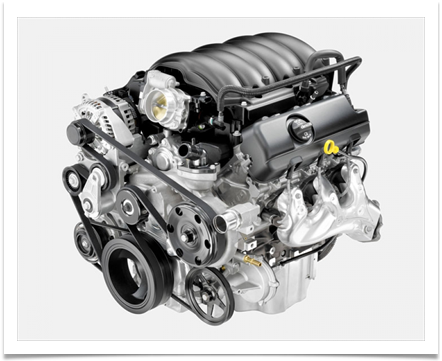
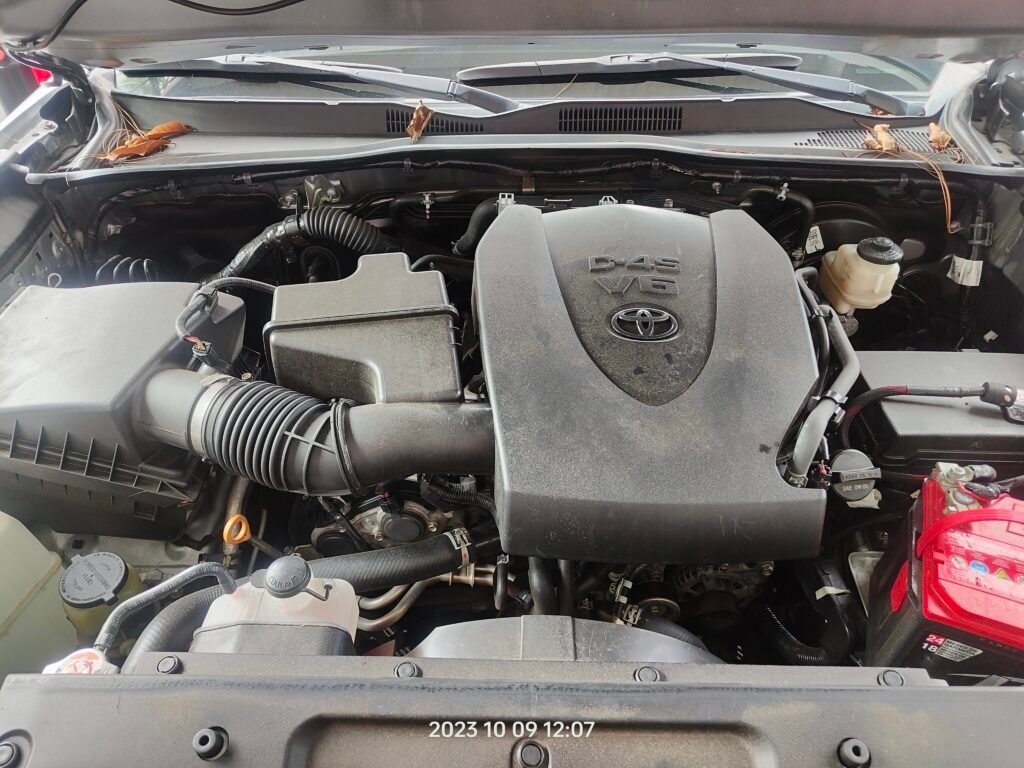
If you’re hunting for a Toyota 2GR-FKS engine for sale, you’re not chasing some obscure motor — you’re after one of the most widely used V6s Toyota has ever built. This 3.5-liter shows up under the hood of Camrys, Avalons, Highlanders, Siennas, Tacomas, and a good chunk of the Lexus lineup, and it’s earned a reputation as one of the few modern engines you can drop in and mostly forget about.
That said, “2GR” covers a whole family of engines, and not all of them are the same. Before you hand over money for one, it’s worth knowing exactly what you’re buying, what it should cost, and what to check on a used unit before it goes on a truck.
What Exactly Is the Toyota 2GR-FKS Engine?
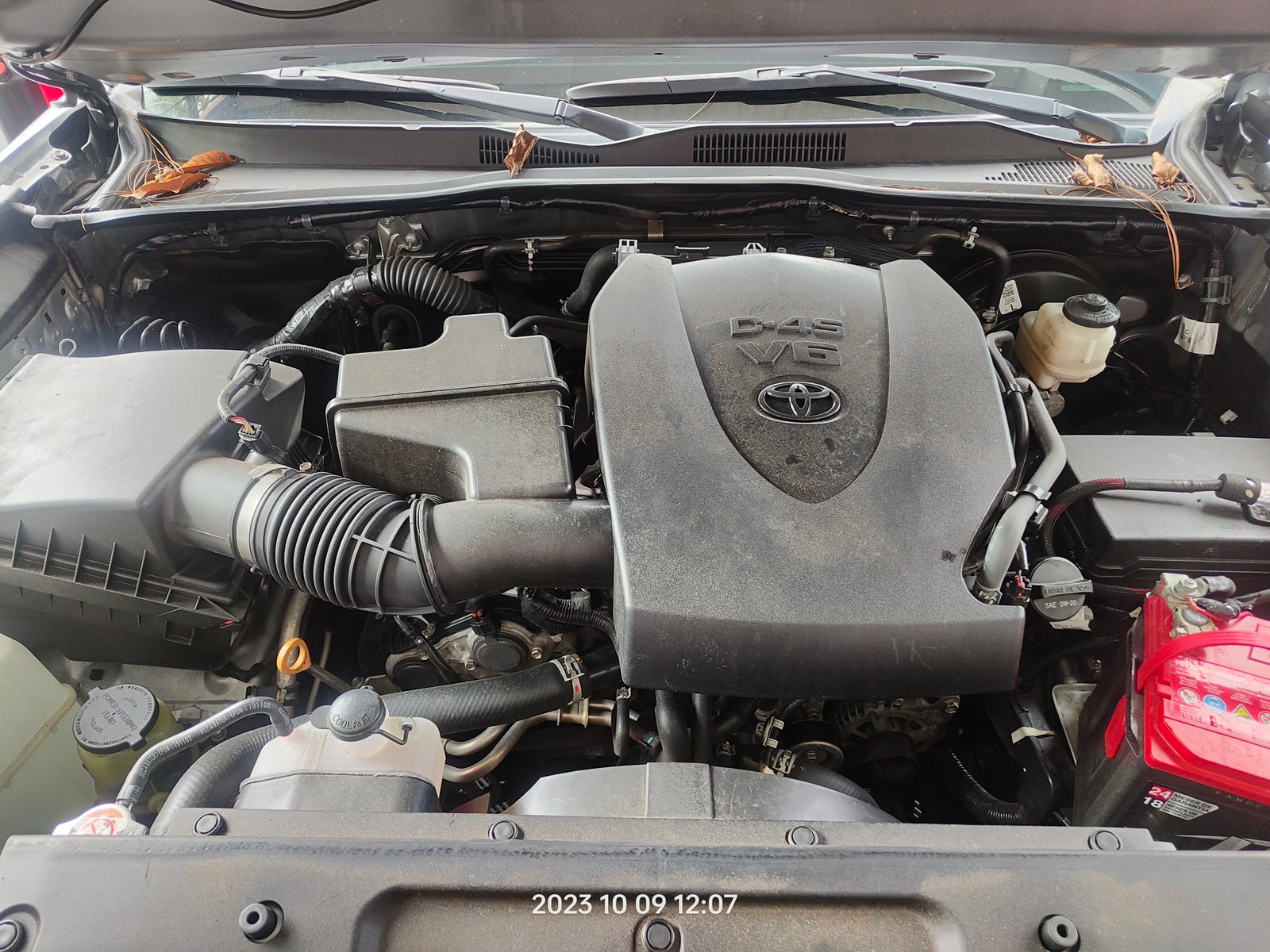
The 2GR-FKS is the direct-and-port-injected member of Toyota’s GR V6 family, and it’s the one you want if you’re after the newer, more efficient version of the 3.5-liter that isn’t tied to a hybrid transaxle. Toyota introduced it around 2015 as the replacement for the long-running 2GR-FE, and it’s the engine most people mean today when they just say “3.5 Toyota V6.” It’s a 60-degree, DOHC, 24-valve six-cylinder with an aluminum block and heads.
It runs Toyota’s D-4S fuel system — the same dual injection setup Toyota first used on the 2GR-FSE — which fires both direct and port injectors depending on load and RPM. That combination is a big part of why this engine makes good power and still gets reasonable fuel economy for its size.
The other piece that separates the FKS from older 2GR variants is VVT-iW, Toyota’s “wide range” intake valve timing. It lets the engine run a simulated Atkinson cycle at part throttle for efficiency, then swing back to a normal Otto cycle when you actually need the power — without any of the hardware compromises a true hybrid Atkinson engine has to live with. That’s also the biggest thing that separates the FKS from the 2GR-FXS and 2GR-FXE you’ll see mentioned in the same breath. Those are the hybrid-specific versions built to pair with an electric motor and CVT-style transaxle, tuned for a full-time Atkinson cycle and lower compression, without D-4S direct injection.
If you’re shopping a Toyota 2GR-FKS engine for sale for a Camry, Avalon, Tacoma, or a non-hybrid Lexus, the FXS/FXE units are not interchangeable — different accessory drive, different oil pan, different management, and they’re tuned for a completely different job. If you want more background on how Toyota’s GR family evolved from the original 3GR and 4GR fours all the way to the FKS, the Toyota GR engine family page has a solid overview of the whole lineup.
Toyota 2GR-FKS Specs at a Glance
Here’s the short version, pulled straight from Toyota’s published figures, before we get into the buying advice. Output numbers move around a bit by application because Toyota retunes the ECU and exhaust for each platform, so treat the horsepower figure as a range rather than one fixed number.
| Spec | Value |
|---|---|
| Displacement | 3,456 cc (3.5L) |
| Configuration | 60° V6, DOHC, 24-valve |
| Bore x Stroke | 94.0 mm x 83.0 mm |
| Compression Ratio | 11.8:1 |
| Fuel System | D-4S dual direct + port injection |
| Valve Timing | VVT-iW (intake, wide-range), VVT-i (exhaust) |
| Horsepower | Approx. 278-311 hp depending on application |
| Torque | Approx. 265-280 lb-ft depending on application |
| Block/Head Material | Aluminum |
| Redline | ~6,600 RPM |
Notice the compression ratio: 11.8:1 is high for a naturally aspirated production V6, and it’s only possible because of the direct injection cooling the combustion chamber and the VVT-iW managing effective compression on the fly. That’s not a spec you see on the old 2GR-FE. It’s one of the clearest fingerprints that tells you which generation you’re actually looking at when a listing just says “3.5 V6” with no other detail.
2GR-FKS vs. 2GR-FE: What Actually Changed
People mix these two up constantly, and it’s an easy mistake since both are 3.5-liter, 60-degree, 24-valve V6s with the same basic architecture underneath. But they’re not the same engine, and swapping parts between them is a good way to create problems that didn’t need to exist. The FE ran a conventional port fuel injection system and standard VVT-i, was tuned for a lower compression ratio, and topped out in the mid-260s horsepower range in most applications.
The FKS bumped compression to 11.8:1, added the second set of direct injectors under D-4S, and swapped the FE’s intake VVT-i for the wider-range VVT-iW, which is what lets it run more efficiently at part throttle without giving up peak power.
| Feature | 2GR-FE | 2GR-FKS |
|---|---|---|
| Fuel Injection | Port injection only | D-4S direct + port injection |
| Intake Valve Timing | VVT-i | VVT-iW (wide range) |
| Compression Ratio | 10.4:1 (typical) | 11.8:1 |
| Typical Horsepower | Approx. 260-270 hp | Approx. 278-311 hp |
| Production Era | 2004-2018 (varies by market) | 2015-present |
If you’re comparing a listing for an FE against a Toyota 2GR-FKS engine for sale and the price looks suspiciously close, double check the engine code stamped on the block rather than trusting the vehicle year alone — Toyota ran both engines in overlapping years across different markets and trim levels, and a mislabeled listing costs you real money if you order the wrong wiring harness or ECU to go with it.
Why the 2GR-FKS Has Earned a Good Reputation
We sell a lot of these, and the reason isn’t marketing — it’s that the engine holds up. The timing chain setup is genuinely solid; Toyota didn’t cheap out on the guides or tensioners the way some manufacturers do on a chain that’s meant to last the life of the vehicle. Bottom end is tough, the aluminum block runs cool, and the accessory drive is simple compared to a lot of turbocharged competitors with more belts, more pulleys, and more things to fail.
If you’re cross-shopping a Toyota 2GR-FKS engine for sale against a turbocharged four-cylinder from a competing brand, remember you’re also comparing long-term complexity — a turbo four making similar power is working a lot harder to get there.
It’s also just a smooth, quiet engine to live with. A 60-degree V6 with proper balance shafts and reasonably long intake runners doesn’t have to work hard to feel refined, and Toyota tuned the D-4S system well enough that you don’t get the diesel-clatter idle some direct-injection engines are known for. Power is respectable rather than thrilling — 300-ish horsepower in a Camry or Avalon is plenty for what those cars are, and in something lighter like a Tacoma or an older chassis people swap it into, it wakes the vehicle up considerably.
None of that means it’s bulletproof. The two real weak points worth knowing about are high-pressure fuel pump noise (a mechanical chirp or whine that Toyota addressed with revised parts on later production) and oil weeping from the timing chain cover and cam sensor bolts on higher-mileage units. Neither one is a reason to avoid the engine. Both are cheap to inspect for and cheap to fix compared to what you’d spend chasing problems on a lot of other direct-injection V6s from the same era.
Where You’ll Find a Factory 2GR-FKS (and Where People Swap One In)
Toyota put this engine in a wide range of vehicles, which is exactly why demand for a used or rebuilt unit stays steady. On the Toyota side, you’ll find it in the XV70-generation Camry, the fourth-generation Avalon, the XU50 Highlander (non-hybrid), the last V6 Siennas before that van went hybrid-only, and the third-generation Tacoma in markets where the V6 was offered. On the Lexus side it’s under the hood of the RX350, ES350, GS350, IS350, and RC350, and it shows up in a few China-market Lexus models as well.
If a listing mentions any of those chassis with a 3.5-liter V6 built from roughly the mid-2010s onward, there’s a very good chance it’s this engine — but always match it against the VIN or engine code stamped on the block, not just the vehicle year, since Toyota ran overlapping generations of the 2GR family for a while.
Outside factory applications, the FKS has become a popular swap target for people building older Tacomas, 4Runners, and even some Supra and truck projects who want more power than a four-cylinder without jumping to a full V8 build. It bolts up reasonably well with the right adapter parts, and because so many were built, junkyard and reseller supply is healthier than it is for rarer engines.
If that’s your plan, budget time for wiring and ECU work up front — we’ll get into that in the next section — because that’s where most home swaps actually lose time and money, not in the mechanical install itself.
Buying a Toyota 2GR-FKS Engine for Sale: New Take-Out, Low-Mileage, or Remanufactured
When you’re shopping around, you’ll generally run into three grades of engine, and picking the right one comes down to your budget and how much risk you’re willing to carry.
- New take-out / low-mileage used: Pulled from a donor vehicle that was wrecked, flooded, or otherwise totaled with the drivetrain intact. This is the sweet spot for most buyers — you get a genuinely low-mileage, factory-built engine at a fraction of new-crate pricing. The catch is that quality varies a lot by seller, so you want compression numbers, oil sample results if available, and photos of the timing cover and valve covers before you commit.
- Remanufactured / rebuilt: A long block that’s been torn down, machined, and rebuilt with new bearings, rings, seals, and timing components, sometimes with new or reconditioned heads. Costs more than a used take-out but resets the wear clock, which matters if you’re planning to keep the vehicle another 150,000 miles rather than flip it.
- Complete swap-ready packages: Engine paired with the matching transmission, wiring harness, and sometimes the ECU, sold as a unit specifically so a swap doesn’t turn into a scavenger hunt for the last sensor bracket.
We stock both new take-out and remanufactured options, and honestly, for a straightforward replacement in a Camry or Highlander that’s otherwise a good vehicle, a well-vetted low-mileage take-out is usually the better value. Save the remanufactured build for high-mileage swaps or projects where you want a warranty-backed clean slate.
What to Check Before You Buy a Used 2GR-FKS
This is the part most buyers skip, and it’s the part that actually protects your money. Whether you’re buying from us or anyone else, run through this before you pay for a Toyota 2GR-FKS engine for sale.
VVT-iW Actuator Condition
The VVT-iW actuator on the intake cam is more complex than a standard VVT-i unit because of its wider operating range, and it’s not something you want to inherit as someone else’s problem. Ask for a cold start video if you can. A rattle for a second or two on cold start that clears up quickly is normal on plenty of these engines and not a dealbreaker on its own, but a persistent knock, especially one that doesn’t go away once oil pressure builds, points to actuator or timing chain tensioner wear that you’ll want reflected in the price.
D-4S Injectors and Fuel Pump Compatibility
Because D-4S uses both direct and port injectors, you’re really checking two fuel systems instead of one. Confirm the high-pressure fuel pump is either the revised part or has been serviced if it’s an early-production unit with the known chirp issue, and don’t assume injectors are interchangeable across applications — Toyota tuned injector sizing slightly differently between, say, a Camry and a Tacoma.
If you’re planning a swap into a non-factory vehicle, match the injector set and fuel pump to the engine’s original harness and ECU rather than mixing parts from different 2GR applications, or you’ll spend your first month chasing fuel trim codes.
Wiring Harness and ECU Matching
This is where more swaps go sideways than anywhere else on the mechanical side. The 2GR-FKS ECU is tightly integrated with VVT-iW, D-4S timing, and often the transmission control on factory applications, so a mismatched harness or a used ECU from a different chassis will throw codes even if the engine itself is perfectly healthy.
If you’re buying a complete engine for a direct replacement in the same model it came from, this is a non-issue. If you’re swapping it into something else, get the harness and ECU from the same donor vehicle as the engine, or work with a shop that’s done this specific swap before and knows which pins and immobilizer quirks to deal with.
What a Toyota 2GR-FKS Engine for Sale Actually Costs
Prices move around based on mileage, condition, and whether you’re buying the bare long block or a complete accessory-dressed engine. Here’s a realistic range based on what we and other resellers typically see.
| Condition | Typical Price Range (USD) |
|---|---|
| New take-out / low-mileage used (long block, accessories intact) | $1,800 – $3,300 |
| Remanufactured / rebuilt long block | $3,500 – $5,800 |
| Complete swap-ready package (engine + transmission + harness) | $3,000 – $5,500 |
| Brand-new crate engine (special order, limited availability) | $7,500+ |
These figures move with the market and with mileage on the donor engine, so treat them as a planning range rather than a quote. If a price looks dramatically lower than everything else you’re seeing, ask pointed questions about mileage, compression testing, and what’s actually included before you send payment — that gap usually means something.
How Ordering and Worldwide Shipping Works
We ship engines worldwide, not just domestically, which matters if you’re a shop, an importer, or an individual buyer outside the usual major markets. The process is straightforward: you tell us the vehicle it’s going into (or confirm the exact engine code if it’s for a swap), we confirm current stock and condition on that specific unit, and we get you a landed cost that accounts for crating and freight to your location rather than surprising you at the port.
Engines ship on pallets, crated and secured, with the harness and sensors bagged and labeled if they’re included in your package.
Lead times vary by destination and by whether the unit is in-stock or needs to be pulled and tested first, so it’s worth reaching out early if you’re working against a deadline — a shop with a car on the lift, for instance, doesn’t want to find out about a two-week ocean freight window on day one. We handle export documentation on our end for international orders, and we’ll tell you upfront what your local customs office typically wants to see for an engine import, since that paperwork trips up more first-time buyers than the shipping itself does.
If you’ve got questions about compatibility, documentation for customs, or which grade of engine makes sense for your situation, our contact page is the fastest way to get a straight answer instead of guessing from a spec sheet. We’d rather spend ten minutes on the phone confirming an engine code with you than have you order the wrong unit and deal with a return across an ocean.
Common Questions We Get About the 2GR-FKS
Will a 2GR-FKS bolt in as a direct replacement for my 2GR-FE? Not without extra work. The mounting pattern is close, but the wiring harness, ECU, and fuel system are different enough between VVT-i and VVT-iW, and between port-only and D-4S, that you can’t just swap the long block and expect it to run. Some shops do full harness-and-ECU conversions to make this work, but if you’re just replacing a failed FE, stick with an FE and save yourself the headache.
Does the transmission matter when I order? If you’re doing a direct replacement in the same model, we can typically match the engine to whatever transmission your vehicle already has. If you’re buying a complete package for a swap, tell us upfront whether you need it paired with a specific transmission, since not every FKS-equipped model shares the same bolt pattern and electronic controls between the engine and gearbox.
Is a used engine safe to buy without seeing it run first? A reputable seller should be able to give you a compression test result, photos or video of the engine running (or at minimum turning over cleanly with spark and fuel confirmed), and mileage documentation pulled from the donor vehicle. That’s the standard we hold every Toyota 2GR-FKS engine for sale to before it ships, and it’s a fair thing to ask any seller for regardless of where you’re buying from.
How long does a 2GR-FKS typically last? With normal oil changes and no history of overheating, it’s not unusual to see these engines well past 200,000 miles on the original internals. That longevity is exactly why the used and take-out market for this engine stays strong — plenty of these motors are getting pulled from vehicles that were totaled in accidents or written off for body damage, not because the engine itself gave out.
Ready to Get Your Toyota 2GR-FKS Engine for Sale
If you’ve read this far, you already know more about the 2GR-FKS than most people shopping for one — you know what separates it from the FE and the hybrid FXS/FXE variants, what to check on a used unit, and roughly what it should cost. That puts you in a good position to buy with confidence instead of hoping for the best.
We test and inspect every unit before it leaves, back our engines with a real warranty, and ship worldwide, so wherever your Camry, Avalon, Highlander, Tacoma, or Lexus is sitting, getting it running again doesn’t have to be complicated.
Check current stock and pricing on our Toyota 2GR-FKS engine for sale listing now, or browse the rest of our inventory on the shop page if you’re not sure yet which engine or generation fits your vehicle. Either way, we’re glad to walk through the details with you before you buy.