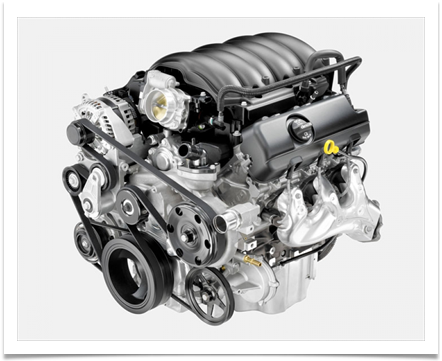
If you’re searching for a Toyota 3GR-FSE Engine for sale, chances are you already own a Crown Athlete, a Mark X, or a Lexus GS300 and the original engine has finally given up, or you’re planning a swap into something that could use a smooth, direct-injected V6. Either way, this isn’t an engine you find at every wrecking yard. Toyota built a lot fewer 3GR-FSE units than the mainstream 2GR that followed it, and a lot of the ones still around have already been picked over. We source these, run compression checks on every cylinder, and ship tested units to buyers worldwide.
The 3GR-FSE doesn’t get talked about as much as the JZ engines or the later GR V6, but it deserves more credit than it gets. It was one of Toyota’s first mass-produced direct-injection engines, and the D-4 fuel system combined with VVT-i on all four camshafts made it genuinely advanced for a mid-2000s V6. It’s smooth, it revs cleanly, and the aluminum block keeps weight down compared to the cast-iron sixes Toyota was still using elsewhere at the time.
When people come to us looking for a Toyota 3GR-FSE Engine for sale, they’re usually trying to avoid the same two headaches: an engine with unknown mileage and no compression numbers, or a “complete” listing that’s missing the direct-injection fuel rail or ECU. This page covers the real specs, what tends to go wrong on this engine, and how we get every unit ready before it ships.
Table of Contents
- What Is the Toyota 3GR-FSE Engine?
- Toyota 3GR-FSE Engine Specifications
- Where the 3GR-FSE Actually Gets Used
- Being Honest About the 3GR-FSE’s Reputation
- Common 3GR-FSE Problems We Check For
- How We Prepare Every 3GR-FSE Before It Ships
- Used vs. Rebuilt: What Makes Sense for a 3GR-FSE
- Shipping This Engine Worldwide
- 3GR-FSE vs. the Rest of the GR V6 Family
- What’s Included With Every Unit We Sell
- Why Buy This 3GR-FSE From Us
- Swap Notes and Compatibility
- Keeping a 3GR-FSE Healthy Long Term
- Frequently Asked Questions
- Get Your Toyota 3GR-FSE Engine for Sale Today
What Is the Toyota 3GR-FSE Engine?
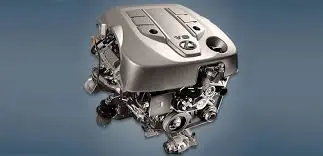
The 3GR-FSE is a 3.0-liter V6 from Toyota’s GR engine family, built with a 60-degree bank angle, an all-aluminum block and heads, and 24 valves driven by dual overhead cams on each bank. What set it apart when it launched in 2003 was the D-4 direct injection system, one of the earlier applications of gasoline direct injection in a Toyota production engine, paired with VVT-i on all four camshafts for smoother power delivery and better efficiency than the port-injected engines it replaced.
Toyota also built a supercharged variant of this engine for the Japanese-market Crown Majesta and Crown Athlete, which used a Toyota/TRD-developed supercharger to push output well past what the naturally aspirated version made. That version is rarer than the standard 3GR-FSE and tends to command a premium when one turns up, since the internals and supporting hardware differ from the naturally aspirated engine.
Toyota 3GR-FSE Engine Specifications
Here are the factory numbers for both the naturally aspirated and supercharged versions of this engine.
| Engine Code | 3GR-FSE |
| Configuration | 60° V6, DOHC, 24 valves, aluminum block & heads |
| Displacement | 3.0L (2,994 cc) |
| Bore x Stroke | 87.5mm x 83.0mm |
| Compression Ratio | 11.5:1 (NA) / 10.5:1 (supercharged) |
| Fuel Delivery | D-4 direct injection, VVT-i on all four cams |
| Power | 250–256 hp (NA) / around 320 hp (supercharged) |
| Torque | 310–314 Nm (NA) / around 412 Nm (supercharged) |
| Oil Capacity | 6.3 liters (5W-20 or 5W-30) |
| Dry Weight | Approx. 178 kg |
| Applications | Toyota Crown, Toyota Mark X, Lexus GS300 |
For more background on how this engine fits into Toyota’s broader V6 lineup, see Wikipedia’s page on the Toyota GR engine family.
Where the 3GR-FSE Actually Gets Used
This engine shipped in three main platforms: the Toyota Crown (2003-2012, mainly the Athlete and Royal trims), the Toyota Mark X (2004-2009), and the first-generation Lexus GS300 built for the Japanese and a handful of export markets between 2005 and 2011. All three are rear-wheel-drive sedans, which is part of why this engine shows up in drift and grip-track builds fairly often, it’s a light, smooth-revving V6 that bolts into a chassis already set up for a front-engine, rear-drive layout.
Most of our buyers fall into two groups. Owners of an aging Crown, Mark X, or GS300 who need a tested replacement rather than a rebuild, and swap builders who want a modern, direct-injected V6 with a genuine Toyota reliability pedigree behind it, without the fuel and cooling system complexity of a turbocharged option.
Being Honest About the 3GR-FSE’s Reputation
The aluminum block and heads, forged internals in most production runs, and Toyota’s typical over-engineering mean this engine holds up well under normal use. We’ve tested units past 150,000 km that still pulled healthy compression numbers across all six cylinders.
That said, the D-4 direct injection system is more finicky than a simple port-injected setup. Carbon buildup on the intake valves is a known issue with direct injection engines in general, this one included, since fuel no longer washes over the valves the way it does in a port-injected design. The high-pressure fuel pump and injectors are also more expensive to replace than equivalents on a simpler engine, so we test fuel system function specifically rather than just assuming it’s fine because the engine runs.
Common 3GR-FSE Problems We Check For
Carbon buildup on intake valves: A direct-injection trait, not a defect, but we inspect for it since heavy buildup affects idle quality and throttle response.
High-pressure fuel pump condition: We verify fuel pressure holds steady under load rather than just confirming the engine starts.
VVT-i actuator noise on cold start: Common across Toyota’s VVT-i engines of this era. We check that oil pressure builds properly and the noise clears within a few seconds.
Timing chain and guides: Inspected for wear, since a stretched chain on a direct-injection V6 is a bigger job to fix than on a simpler engine.
Wiring harness and connector condition: We document exactly what’s intact, since Japanese-market engines sometimes arrive with harness modifications from their donor vehicle.
How We Prepare Every 3GR-FSE Before It Ships
Every Toyota 3GR-FSE Engine for sale we list goes through compression testing on all six cylinders, a visual and functional check of the D-4 fuel system, and an inspection of the timing components and VVT-i actuators. We photograph the actual unit from multiple angles so you know exactly what you’re bidding on, not a stock photo pulled from a parts catalog.
Once an engine passes inspection, we drain the fluids, cap every port and opening to prevent contamination in transit, and build a crate sized specifically for this engine rather than using an oversized box that lets it shift around during shipping.
Used vs. Rebuilt: What Makes Sense for a 3GR-FSE
For most replacement situations, a tested used unit is the practical choice. Rebuilding a direct-injection V6 properly means sourcing injectors, the high-pressure pump, and potentially the direct-injection fuel rail, parts that aren’t as widely stocked as equivalents for simpler port-injected engines. A tested used 3GR-FSE with documented compression gets you back on the road faster and typically for less than a full rebuild.
A rebuild makes more sense if you’re already deep into a supercharged build or planning to push the engine well past its factory output, since you’ll want fresh bearings and a verified bottom end before adding boost or aggressive tuning.
Shipping This Engine Worldwide
We ship the 3GR-FSE to buyers everywhere, and we handle the export paperwork rather than leaving you to sort out customs requirements on your own. Every shipment includes a commercial invoice and the documentation your country typically requires for importing a used engine. Ocean freight is the most cost-effective option for most international orders; air freight costs more but gets your engine to you in days instead of weeks if your project is on a deadline.
3GR-FSE vs. the Rest of the GR V6 Family
If you’re comparing options, the naturally aspirated 3GR-FE is the port-injected sibling of this engine, simpler and easier to maintain but without the direct-injection efficiency gains. The 2GR-FSE is a larger 3.5L version with more power, a common upgrade path if your chassis can handle the extra size and weight.
The 4GR-FSE is the smaller 2.5L version of the same family, aimed at buyers who want the direct-injection technology without the displacement of the 3.0L unit. If your Crown, Mark X, or GS300 came from the factory with a 3GR-FSE, matching that exact code keeps your wiring, mounts, and ECU calibration straightforward.
What’s Included With Every Unit We Sell
Every listing spells out exactly what ships: the long block, cylinder heads, intake manifold, the D-4 fuel rail and injectors, and the engine wiring harness. Accessories like the alternator and power steering pump are noted separately since inclusion varies by donor vehicle. If you need the ECU or specific engine mounts, ask before you order rather than assuming they’re included, we’d rather answer questions upfront than have you discover a missing part after installation has started.
We also keep records of which donor vehicle each engine came out of, including approximate mileage where it’s available. It’s not always exact since Japanese auction records vary in how much history they include, but we pass along whatever documentation we have rather than presenting every engine as a blank slate. If traceability matters for your build or your records, ask and we’ll tell you what we know before you commit to a purchase.
Why Buy This 3GR-FSE From Us
We test every engine we sell and tell you the real numbers, not a vague “runs great” description. When you buy a Toyota 3GR-FSE engine for sale from us, you get compression numbers, clear photos of the exact unit, and a straight answer about what’s included. If something doesn’t match what we told you, we make it right, that’s the standard we hold ourselves to on every engine we ship, not just this one.
Swap Notes and Compatibility
Because the 3GR-FSE only ever shipped in right-hand-drive, Japanese-market cars, most swap builders outside Japan are dropping it into a chassis it wasn’t originally sold in. The good news is that the GR V6 family shares a lot of its mounting and bellhousing pattern with other Toyota rear-wheel-drive platforms, so shops that have done a 2JZ or 1UZ swap generally aren’t starting from zero when they take on this engine.
The bad news is that the D-4 direct-injection fuel system is more involved to adapt than a simple port-injection setup, since you’re dealing with a high-pressure pump, a different fuel rail, and injectors that need the correct driver in the ECU or standalone engine management. None of this is a reason to avoid the engine, plenty of shops have already worked through it, but it’s worth planning for rather than discovering mid-build.
If you’re building a standalone harness rather than running the factory ECU, budget extra time for the direct-injection side of the wiring. It’s not insurmountable, plenty of shops handle it, but it’s a different job than wiring up a port-injected six. We can put you in touch with the wiring diagrams and connector pinouts we’ve collected for this engine if you’re planning a swap rather than a straight replacement, just ask when you place your order.
Transmission-wise, the factory automatic bolts up cleanly if you’re keeping the driveline mostly stock. For manual conversions, builders typically adapt a compatible Toyota gearbox rather than trying to source the rare factory manual option, since manual-equipped 3GR-FSE vehicles were never common even in Japan.
Keeping a 3GR-FSE Healthy Long Term
Once your engine is installed, a few habits make a real difference in how long it lasts. Stick to genuine or high-quality synthetic oil in the weight Toyota specifies, and don’t stretch the oil change interval on a direct-injection engine the way you might get away with on a simpler design. The tighter tolerances in the D-4 fuel system reward clean oil and punish neglect more than an older port-injected six would.
Periodic intake valve cleaning is worth budgeting for on any direct-injection engine, including this one. Since fuel never washes over the back of the intake valves in a direct-injection design, carbon deposits build up gradually regardless of how well you maintain the engine otherwise. A walnut-blast cleaning every 60,000 to 80,000 kilometers keeps idle quality and throttle response where they should be, and it’s a lot cheaper than letting the buildup get severe enough to affect compression or cause misfires.
Keep an eye on coolant condition too, and don’t ignore a check-engine light just because the car still runs fine. On a direct-injection engine, fuel trim and misfire codes are worth diagnosing promptly since they often point to something in the high-pressure fuel system that’s cheaper to fix early than after it’s caused secondary damage. If you bought your engine from us, you’ll have the baseline compression numbers we recorded before it shipped, which makes it a lot easier to tell whether something has actually changed versus just sounding unfamiliar in a new car.
Frequently Asked Questions
How much horsepower does a 3GR-FSE make?
250 to 256 hp in naturally aspirated form. The Japanese-market supercharged version made roughly 320 hp.
What vehicles use the 3GR-FSE?
The Toyota Crown, Toyota Mark X, and the first-generation Lexus GS300 built for Japan and select export markets.
Is direct injection on this engine reliable?
Yes, with normal maintenance. The main thing to watch is intake valve carbon buildup, which is common to direct-injection engines generally and manageable with periodic cleaning.
Do you test every 3GR-FSE before shipping?
Yes, every unit gets a compression test and a fuel system check, and we document the results before it ships.
Can you ship this engine internationally?
Yes, we ship worldwide and handle the export documentation and customs paperwork for international orders.
Get Your Toyota 3GR-FSE Engine for Sale Today
If you need a tested, documented Toyota 3GR-FSE Engine for sale, we have units in stock and ready for inspection. Check current availability and pricing here, or browse our full engine inventory if you’re weighing a few options. Still deciding between used and rebuilt? Our guide on choosing between a used and rebuilt engine walks through the trade-offs.