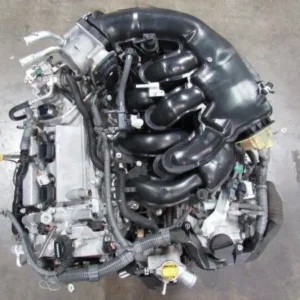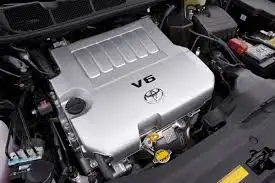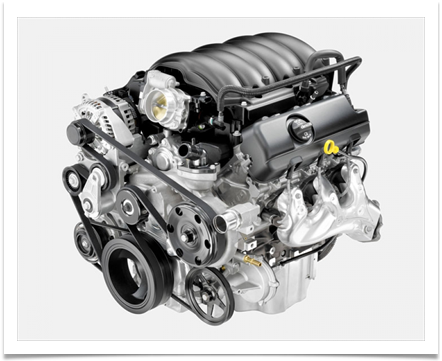
If you’re searching for a Toyota 2GR-FSE engine for sale, you already know this isn’t the same motor as the base 2GR-FE. The FSE is the direct-injected, higher-output version Toyota built for its Lexus performance sedans, and finding a good used one that hasn’t been abused takes some digging. We’ve got one in stock, pulled from a low-mileage donor vehicle, compression-tested, and ready to ship.
On this page:
- Why buyers specifically look for the 2GR-FSE
- What actually makes the FSE different from the FE
- Full specifications
- What this engine fits
- How we test every used engine
- Shipping worldwide
- FAQ
Why buyers specifically look for the 2GR-FSE
A lot of people searching for a Toyota 2GR-FSE engine for sale already own a Lexus IS 350, GS 350, RC 350, or ES 350, and they’re not shopping around for “a V6,” they need this exact engine because that’s what the factory harness, mounts, and ECU are built around. Others are engine-swap guys who specifically want the FSE over the more common FE because of the extra horsepower the direct injection system unlocks. Either way, the pool of good used units keeps shrinking because Toyota never made a budget version of this motor, it went into performance-oriented trims from day one.
We’re not going to tell you a used engine is risk-free. It’s used, it has miles on it, and we’ll be straight with you about what we checked before it went up for sale. What we can tell you is that this specific 2GR-FSE came out of a running vehicle, not a wreck with a cracked block, and it’s been inspected accordingly.
What actually makes the FSE different from the FE
Here’s the plain version, skipping the marketing language. Both the 2GR-FE and 2GR-FSE are 3.5-liter V6 engines sharing the same basic architecture, but the FSE adds Toyota’s D-4S fuel system, which combines direct injection with conventional port injection in the same engine. At low and mid RPM the port injectors handle fuel delivery for smoother combustion, and at higher load the direct injectors kick in for more precise metering and a higher effective compression ratio.
That combination is why a Toyota 2GR-FSE engine for sale commands more attention, and usually a higher price, than a standard 2GR-FE. It’s not just a badge difference. The FSE also runs a higher compression ratio than the FE, which is part of why it makes noticeably more power out of the same displacement.
Full specifications
| Engine code | 2GR-FSE |
| Configuration | 60° V6, DOHC, 4 valves per cylinder |
| Displacement | 3.5L (3,456 cc) |
| Bore x stroke | 94 mm x 83 mm |
| Compression ratio | 11.8:1 |
| Horsepower | 304-316 hp (309-321 PS) at 6,400 RPM, depending on model year and application |
| Torque | 278-280 lb-ft at 4,800 RPM |
| Fuel system | D-4S dual injection (direct + port) |
| Valvetrain | Dual VVT-i, chain-driven |
| Block/head material | Die-cast aluminum block and heads |
| Recommended fuel | 91+ octane premium |
| Production years | 2005 onward, across several vehicle generations |
Exact horsepower and torque figures vary slightly by model year and the specific vehicle it was originally installed in, since Toyota tuned the ECU differently across markets and trims. Tell us which vehicle you’re installing it in and we’ll confirm compatibility before you order.
What this engine fits
The 2GR-FSE was factory-installed in a fairly specific list of vehicles, and if yours is on it, this Toyota 2GR-FSE engine for sale is a direct match:
- Lexus IS 350 (both sedan and convertible generations that used this engine)
- Lexus GS 350
- Lexus RC 350
- Lexus ES 350 (select model years)
- Toyota Crown, Mark X, and Crown Majesta (JDM models)
If your vehicle originally shipped with the base 2GR-FE instead, a swap to the FSE is possible for some builders, but it isn’t a plug-and-play match; you’ll need to sort out the direct injection fuel system and ECU tuning. Tell us your exact vehicle and year and we’ll tell you straight whether this is a bolt-in fit or a project.
How we test every used engine
Before this engine went up for sale, it went through compression testing across all six cylinders, a visual inspection of the timing chain and covers, a check of the VVT-i actuators for play or rattle, and an inspection of the intake and exhaust manifolds for cracks. We also check for oil leaks at the valve cover gaskets and rear main seal, both known wear points on higher-mileage 2GR engines.
If a unit doesn’t pass compression evenly across all cylinders or shows signs of a bottom-end problem, it doesn’t go up for sale as a running unit. We’d rather tell you honestly what we found than have you find out after it’s on your engine stand.
Common issues to know about before you buy
No engine is perfect, and buyers researching a Toyota 2GR-FSE engine for sale deserve a straight answer on what actually goes wrong with this family over time. The most commonly reported issue is VVT-i actuator wear, which can cause a rattle on cold start that goes away once oil pressure builds; we specifically check for this during inspection. Some higher-mileage units develop a slow oil weep at the valve cover gaskets, which is a straightforward gasket replacement rather than a major repair. The D-4S direct injectors can also accumulate carbon on the intake valves over very high mileage, since direct injection doesn’t wash the valves with fuel the way port injection does, though this is more of a long-term maintenance item than a defect.
None of these are reasons to avoid the engine; they’re just what an honest buyer should know going in, and they’re exactly what we check for before listing a unit as ready to install.
Shipping worldwide
We ship engines well beyond our own state, and a meaningful share of our orders go to buyers overseas. We regularly crate and ship engines to customers across Europe, Central and South America, the Middle East, Africa, and Southeast Asia, and we handle the export documentation on our end so you’re not left guessing what your country’s customs office needs.
Every engine is crated on a purpose-built pallet, secured to prevent movement in transit, and we photograph the crating before it leaves our shop so you have a record of the condition it left in. If you’re buying for a shop, a resale operation, or a personal import, reach out before ordering and we’ll get you a freight quote to your port.
Frequently asked questions
Does this come with the wiring harness and ECU? Ask us about the specific configuration on this unit; some listings include the harness and ECU as a complete swap package, others are long block only.
How many miles are on this engine? We go by compression testing, visual inspection, and what we can verify from the donor vehicle rather than an odometer reading we can’t confirm independently. Ask us directly and we’ll tell you what we know.
Can I install this in a Camry or Highlander? Those models used the base 2GR-FE, not the FSE. The FSE will fit with additional work, but it’s not a direct swap; tell us your vehicle and we’ll walk you through what’s involved.
Do you ship this engine internationally? Yes, see the shipping section above for how that process works.
What’s included with the engine? The long block itself, at minimum. Ask us about accessories, the wiring harness, and the ECU if you need a more complete swap package.
Can I get compression test results before I buy? Yes, ask and we’ll send you what we recorded during inspection.
Warranty and what’s included
We stand behind our own inspection process rather than just repeating what a previous owner told us. Specific warranty terms on this Toyota 2GR-FSE engine for sale are listed at checkout, and we’re happy to talk through exactly what’s covered by phone before you commit to a purchase this size. If something doesn’t match what we told you during the sale, we want to hear about it.
Installation notes for your shop or garage
If you’re doing this swap yourself or through a local shop, plan for new gaskets, a new timing chain kit if the original has significant mileage, and fresh engine mounts as standard practice on any used engine install, not because this particular unit has a known issue there. Budget for a compression and leak-down test on your end after installation too; it’s a smart habit that catches installation issues early rather than after you’ve already put miles on it.
Because this is a direct-injection engine, make sure your fuel system components, particularly the high-pressure fuel pump and injectors, are inspected or replaced as part of the swap if you’re pulling this from a different chassis than it originally came from. A mismatched fuel system is one of the most common reasons a technically correct engine swap runs poorly.
Maintenance this engine needs going forward
Once it’s installed, a 2GR-FSE doesn’t ask for anything unusual compared to other modern V6s. Stick to the manufacturer’s oil change interval with a quality synthetic oil, since the dual VVT-i system relies on clean oil pressure to actuate properly. Use 91 octane or higher, since the higher compression ratio on this engine is tuned around premium fuel and running lower octane risks knock under load.
Because of the direct injection carbon buildup we mentioned earlier, a periodic intake valve cleaning every 60,000-80,000 miles is worth budgeting for as preventive maintenance, even though it’s not an emergency repair item.
Who this engine isn’t the right fit for
If your vehicle came from the factory with the base 2GR-FE and you’re not prepared to sort out a direct-injection fuel system and matching ECU tuning, this swap is more project than most casual buyers want to take on; a matching FE unit is the simpler path. And if you’re expecting a crate-fresh engine with zero hours, this is a tested used engine with mileage consistent with a real donor vehicle, not a remanufactured long block.
Comparing this to a brand-new or remanufactured engine
A new long block for this platform, when you can even find one through a dealer, routinely runs into five figures before labor. A remanufactured unit from a national supplier costs less than new but still carries a substantial markup for the rebuild labor and often a long lead time while they source a core. A tested Toyota 2GR-FSE engine for sale from a shop that has actually verified compression and inspected the wear points gets you a running engine at a fraction of either cost, with the tradeoff being that you’re buying a used unit rather than one with zero prior hours.
For most of our customers, especially anyone repairing a vehicle that isn’t worth throwing new-engine money at, that tradeoff is an easy call. The exception is a buyer who specifically wants a factory warranty and zero-mile piece of mind; if that’s you, a new or remanufactured unit is the more appropriate purchase and we’ll say so directly if you ask us.
How we source our inventory
We don’t pull engines from whatever comes through the door without checking it first. Every used Toyota 2GR-FSE engine we list comes from a donor vehicle we’ve verified was running and driving before the pull, not a vehicle that died from a bottom-end failure. Each engine gets compression tested, visually inspected, and checked for the specific wear points we outlined above before it’s priced and photographed. That verification work is part of what you’re paying for, and it’s why we can stand behind what we sell instead of passing along someone else’s expensive surprise.
Payment and how shipping actually works
Once your order is confirmed, the engine gets a final inspection pass and is packed onto a purpose-built pallet sized for its weight, strapped and crated so it can’t shift in transit. Domestic orders typically ship within a few business days of cleared payment. We accept major cards and bank transfer through checkout, and for larger international orders we can also arrange a direct wire transfer, which a lot of our overseas buyers prefer for a purchase in this range.
Export orders take a little longer because we’re coordinating with a freight forwarder and preparing the commercial invoice and any documentation your destination country requires. We handle that paperwork as part of the sale. If you’ve never imported a used engine before, tell us your country and we’ll walk you through what to expect.
Where the 2GR-FSE sits in Toyota’s V6 lineup
The GR engine family replaced Toyota’s older MZ series V6 starting in the mid-2000s, and the 2GR displacement became the workhorse of the lineup across a huge range of Toyota and Lexus products. The FSE variant was reserved specifically for the performance and luxury applications where Toyota wanted the extra output the D-4S dual injection system delivers, while the more common FE version went into higher-volume models like the Camry and Highlander.
That production split is exactly why a genuine Toyota 2GR-FSE engine for sale is harder to find than its FE sibling. Toyota built far fewer FSE-equipped vehicles overall, and buyers who know the difference specifically seek this version out rather than settling for the base engine.
More frequently asked questions
Is this engine covered by an original Toyota warranty? No, factory warranty coverage ends with the original owner; what you’re getting is our own inspection and whatever warranty terms we list at checkout.
Can I see photos of the compression test before I commit? Yes, ask and we’ll send you what we recorded during inspection.
Do you offer local pickup instead of shipping? Yes, if you’re close enough to inspect the engine in person before it ships, local pickup is available.
What’s the difference between the 2GR-FSE and the newer 2GR-FKS? The FKS is a later revision with the Atkinson-cycle capability and further updated D-4S tuning; it’s not a direct swap for an FSE application without matching the ECU and harness.
Can I get a video of the engine before purchase? Photos of the compression test and visual inspection are available on request; ask us what we can provide for this specific unit.
Signs your original engine needs replacing
Most people searching for a Toyota 2GR-FSE engine for sale aren’t doing it on a whim, something on the current engine already told them it’s time. Knocking or ticking from the bottom end under load, a check engine light tied to a misfire code that keeps coming back after basic troubleshooting, visible metal in the oil at a change, or a rod knock that gets louder with RPM are all signs a rebuild or replacement is the more sensible path than pouring money into a bottom-end repair on a high-mileage block. Overheating events that warped a head, or a timing chain that jumped and bent valves, are the other common reasons a otherwise good car needs a full engine swap rather than a repair.
If your symptoms match any of that, a tested used engine is very often the more cost-effective path compared to machine work and parts on a block that’s already shown you it’s failing. We’re happy to talk through what you’re seeing on your specific vehicle and tell you honestly whether a swap makes sense before you spend money on diagnostics you might not need.
What a straight answer on value looks like
We’re not going to tell you a used Toyota 2GR-FSE engine for sale is better than a brand-new one, because it isn’t. What it is: a real, verified, compression-tested engine at a price that makes financial sense for a repair on a vehicle that isn’t worth new-engine money. For the buyers this fits, that’s exactly the right call, and it’s why engines like this one move through our inventory as fast as we can pull, test, and list them.
Bottom line
This Toyota 2GR-FSE engine for sale is a compression-tested, inspected unit pulled from a running donor vehicle, priced to move because we’d rather sell it to someone who’ll actually put it back on the road than let it sit on a shelf. If you’ve got questions this page didn’t answer, reach out to our team directly and we’ll give you a straight answer. You can also browse our full range of Toyota engines in stock if the 2GR-FSE isn’t quite the right match for your vehicle.
For more background on this engine family and where the FSE sits in Toyota’s lineup, the Toyota GR engine family overview is worth a look alongside what we’ve detailed here.