Toyota 2UR-FSE Engine for Sale: What LS600h and Century Owners Should Know
Searching for a Toyota 2UR-FSE engine for sale usually means one of two things: your Lexus LS600h’s hybrid V8 has developed a serious internal fault, or you’re planning ahead because you know exactly how expensive and rare this engine is once something goes wrong. Either way, you’re dealing with one of the more specialised engines we stock — a naturally aspirated direct-injection V8 built specifically to work alongside Lexus’s hybrid drive system, not a generic V8 that happens to be paired with a battery pack. That distinction matters more than most sellers let on, so here’s the full picture.
What the 2UR-FSE Is
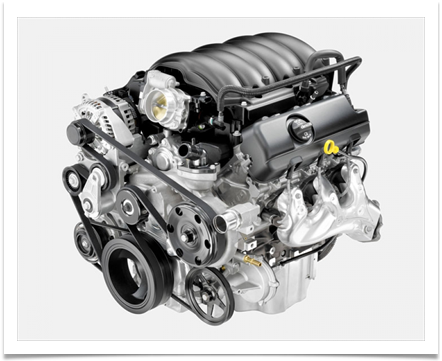
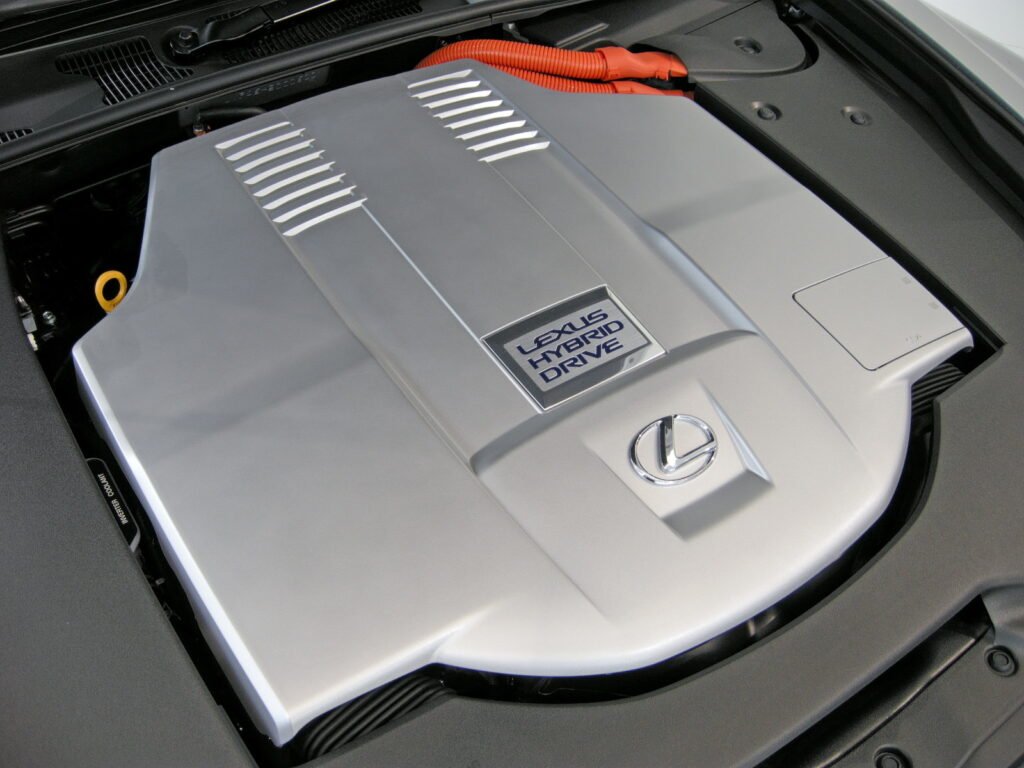
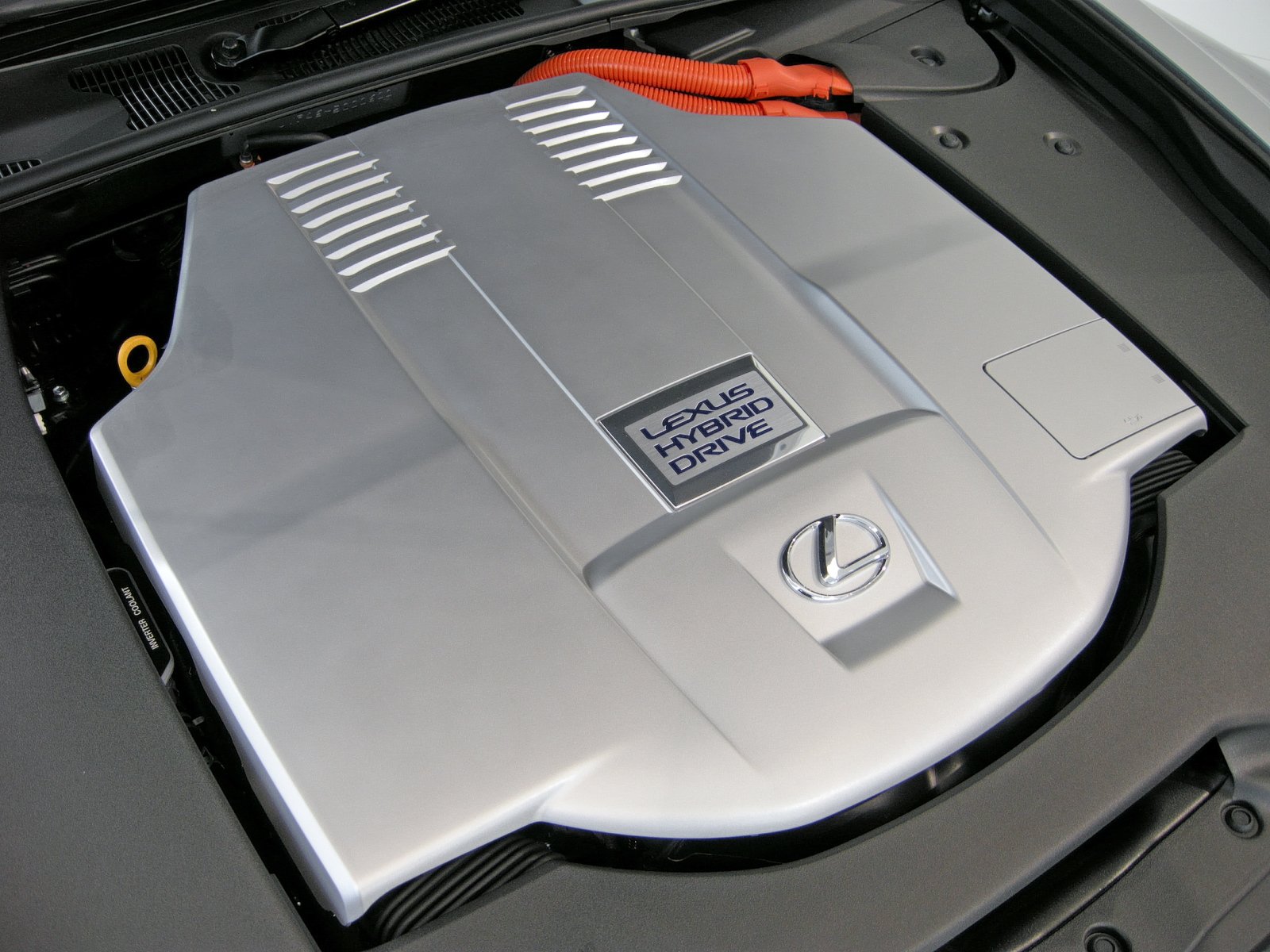
The Toyota 2UR-FSE is a 5.0-litre V8 from Toyota’s UR engine family, using D-4S injection (a combination of direct and port injection) along with Dual VVT-i, and it was engineered specifically as the combustion half of the hybrid powertrain in the Lexus LS 600h and LS 600h L, and later the Toyota Century. It’s built with weight-saving in mind throughout — a die-cast aluminium block, aluminium heads, and magnesium alloy valve covers — which fits with its role in a large luxury hybrid where every kilogram works against efficiency.
On its own, the engine produces around 394 hp at 6,400 rpm and roughly 383 lb-ft (520 Nm) of torque at 4,000 rpm. Combined with the hybrid system’s electric motors, total system output climbs to around 439 hp, which is what actually gets the LS600h moving with the kind of effortless, silent shove that hybrid luxury sedans are known for. It’s worth being clear that the 394 hp figure is the engine alone — a replacement engine restores that contribution correctly, but the vehicle’s full performance still depends on the hybrid transaxle and battery system being healthy too.
Toyota 2UR-FSE Specifications
- Displacement: 4,969 cc (5.0 litres)
- Configuration: V8, DOHC, 4 valves per cylinder
- Bore x Stroke: 94.0 mm x 89.5 mm
- Fuel system: D-4S (combined direct and port injection), Dual VVT-i
- Block/head material: Die-cast aluminium block, aluminium heads, magnesium alloy valve covers
- Engine-only power: approx. 394 hp (294 kW) at 6,400 rpm
- Engine-only torque: approx. 383 lb-ft (520 Nm) at 4,000 rpm
- Combined hybrid system output: approx. 439 hp (327 kW)
- Applications: Lexus LS 600h / LS 600h L (2007–2017), Toyota Century (2018–present)
Every Toyota 2UR-FSE engine for sale we list is checked against these figures, because a hybrid V8 that’s lost compression or has injector problems won’t just feel down on power — it can also throw hybrid system fault codes that have nothing obviously to do with the engine itself, which is exactly the kind of diagnostic rabbit hole this engine is known for.
Where This Engine Is Used
The 2UR-FSE has a genuinely short application list: the Lexus LS 600h and long-wheelbase LS 600h L from 2007 through 2017, and the current-generation Toyota Century, which has used it since 2018. That’s it. Unlike the 1KD or VK56DE, which span a dozen different vehicles across a decade or more, this engine was built for two specific luxury flagships, which is part of why sourcing a good replacement is a genuinely different challenge — the donor pool is small, and the vehicles it comes from were expensive enough that they don’t get scrapped casually.
Why This Engine Actually Fails
The 2UR-FSE isn’t a high-failure engine by design, but the combination of complexity, age, and the cost of proper maintenance on a car this expensive means problems do show up, usually a mix of the following.
Carbon buildup on intake valves
Because the D-4S system uses port injection alongside direct injection specifically to reduce this problem, it’s less severe here than on pure direct-injection engines — but it’s not eliminated. Rough idle, a slight hesitation on acceleration, and a check engine light after enough mileage without a proper intake cleaning are the usual signs. On its own this rarely justifies a full replacement, but it’s worth ruling out before assuming a bigger problem.
Direct injection fuel pump and injector wear
The high-pressure fuel pump and direct injectors are precision components running at high pressure, and like any direct-injection system, they wear over time and with fuel quality. Misfires, rough running, and reduced fuel economy are common symptoms, and because the hybrid system is constantly managing engine load to optimise efficiency, a misfire here can manifest as odd hybrid behaviour rather than an obvious engine complaint.
VVT actuator and timing chain wear
At higher mileage, the Dual VVT-i actuators and timing chain components can develop play, showing up as a rattle on cold start or minor timing-related codes. Left unaddressed, worn timing components risk more serious internal damage, which is one of the more expensive failure paths on this engine given how tightly it’s packaged.
Cooling system issues affecting the hybrid inverter loop
The LS600h uses a more complex cooling arrangement than a conventional V8 because it also has to manage the hybrid system’s thermal needs. Cooling problems here can cause both engine overheating and hybrid system faults simultaneously, which is a good reminder that on this platform, “engine problem” and “hybrid problem” aren’t always separate categories the way they’d be on a simpler car.
Neglected maintenance on an expensive car
Honestly, one of the biggest risk factors for this specific engine isn’t mechanical at all — it’s that LS600h models depreciate hard, and a car that’s changed hands into a lower price bracket sometimes stops getting the level of maintenance a car this complex actually needs. An engine that’s been run on stretched oil change intervals or ignored warning lights is a much more likely candidate for a full replacement than one that’s simply covered a lot of miles under consistent care.
What We Check Before Shipping
- Compression tested across all eight cylinders
- Direct injection fuel pump and injectors inspected and tested
- Timing chain and VVT actuators checked for wear or play
- Cooling passages and related hardware inspected
- Visual inspection of the block and heads for cracks or prior repair work
- Bench run where facilities allow, confirming oil pressure and clean idle
Given how specialised and costly this engine is, we’re especially thorough here — we’ll send you compression figures and photos before you commit, and we’re happy to discuss the specific donor vehicle’s history where we have it.
A Note on the Hybrid System
Replacing the 2UR-FSE addresses the combustion engine side of your car, but it won’t fix a failing hybrid battery, inverter, or transaxle if those are also compromised — they’re separate systems that happen to share a cooling loop and a lot of software integration with the engine. If your LS600h or Century is showing hybrid system fault codes alongside engine symptoms, it’s worth having a specialist confirm exactly which system is actually at fault before you order, so you’re not solving half the problem.
Complete Engine vs Long Block
We supply the 2UR-FSE both as a complete engine with intake, injection system, and accessory brackets attached, and as a long block for customers reusing their existing ancillaries. Given how tightly integrated this engine is with the hybrid system’s wiring and sensors, we’d generally recommend the complete engine option unless your mechanic has a specific reason to transfer components across — it reduces the number of connectors and interfaces that need to be matched up correctly during the swap.
Worldwide Shipping
We ship the 2UR-FSE to customers globally, and given the value of this engine, we take extra care with crating — sealed ports, secure bolting to a wooden pallet, and packaging built to survive international freight rather than just a short domestic trip. We’ll confirm a realistic delivery window for your country and handle export documentation on our end.
Warranty
Every 2UR-FSE we sell carries a standard warranty period, with extended cover available — something we’d genuinely recommend given how expensive standalone repairs on this engine can be if an issue emerges after the fact. If something traces back to our testing process, we make it right directly rather than making you fight for it.
Comparing Platforms
If you’re researching related Toyota and Lexus V8s while you weigh up your options, our pages on the Toyota 1UR-FE and the Toyota 1GR-FE cover the naturally aspirated V8s used in other Lexus and Land Cruiser models. For most LS600h and Century owners, though, matching your original 2UR-FSE is the only realistic option, since the hybrid integration is specific to this exact engine and its factory wiring.
Where Our 2UR-FSE Stock Comes From
Because the donor pool for this engine is genuinely small, sourcing a good 2UR-FSE takes more effort than most of the engines we stock. We work with specific channels that deal in accident-damaged or written-off LS600h and Century vehicles — cars where the drivetrain survived a collision that wrote off the body, or where a hybrid battery failure made the vehicle uneconomical to repair as a whole even though the engine itself is sound.
That’s a very different situation from an engine pulled out of a car that failed because of engine problems in the first place, and it’s why, when we do have stock, we’re generally confident in what we’re selling rather than hoping a compression test comes back clean.
Why This Engine Exists — A Bit of Context
Toyota built the UR engine family specifically to give Lexus a modern, lightweight V8 platform that could flex between straightforward performance applications (like the supercharged 2UR-GSE in the IS F) and, in the 2UR-FSE’s case, a full hybrid integration for the brand’s flagship sedan. That’s a genuinely different engineering brief to most V8s, which are designed first and adapted for hybrid duty later if at all. The result is an engine that has to be efficient at partial loads, smooth enough to shut off and restart seamlessly at traffic lights without the driver noticing, and still deliver genuine V8 performance when the accelerator goes down.
Very few production V8s anywhere have had to meet that specific combination of requirements, which is part of why the 2UR-FSE doesn’t have a direct equivalent from other manufacturers of the same era.
Looking After a Replacement Engine on This Platform
Once your replacement 2UR-FSE is installed, a few habits matter more here than on a conventional V8. Stick strictly to Toyota’s recommended oil specification and interval — the direct injection components are less tolerant of degraded oil than a port-injection-only engine, and given the cost of the fuel pump and injectors on this platform, that’s not a place to cut corners to save on an oil change. Occasional highway driving at sustained higher RPM, rather than exclusively low-speed hybrid-mode city driving, also helps keep carbon deposits on the intake valves in check, since it lets the port-injection side of the D-4S system do more of the work of naturally washing the valves.
And if the hybrid warning system flags anything, even something that seems unrelated to the engine, get it looked at promptly — on this platform, small issues in one system have a way of cascading into the other faster than on a simpler car.
Mistakes to Avoid When Buying a Rare Engine Like This
With a low-volume engine like the 2UR-FSE, the biggest risk isn’t a dishonest seller so much as an inexperienced one — someone who doesn’t actually understand what makes this engine different from a generic V8 and hasn’t tested it accordingly. ” Ask about the donor vehicle’s cause of retirement, since an engine pulled from a hybrid-battery failure is a very different proposition to one pulled from a car that was already showing engine trouble.
And confirm whether the harness and connectors included match your specific model year, since Toyota made running changes across the LS600h’s production life that aren’t always obvious from the outside. We’d rather spend the time answering these questions properly than have you find out the hard way after the engine’s already installed.
Is Replacement Worth It on a Depreciated Car?
This is a fair question given how far LS600h values have dropped from their original sticker price, and the honest answer depends on the rest of the car. If the interior, hybrid battery, and bodywork are all still in good shape, a tested replacement engine is usually far cheaper than the cost of a new car with comparable luxury features, and it brings back a genuinely impressive piece of engineering rather than a generic V8.
If the car has multiple other expensive problems stacking up at once, it’s worth being realistic about whether you’re fixing a good car or throwing money at one that’s past the point of making financial sense. We’d rather tell you that plainly than sell you an engine for a car that’s not worth saving.
Frequently Asked Questions
Will a Toyota 2UR-FSE Engine for sale fix hybrid system warning lights?
Only if the fault is actually in the engine. Hybrid battery, inverter, and transaxle faults are separate systems and won’t be resolved by an engine swap alone. Have a specialist confirm the source of the fault before ordering.
How rare is it to find a good used 2UR-FSE?
Rarer than more common engines on this site, simply because the donor pool (LS600h and Century vehicles) is much smaller. We don’t always have one in stock, so it’s worth checking availability and, if needed, asking to be notified when one comes in.
Do you sell the engine with or without the hybrid-related wiring harness?
We can supply either configuration. Tell us what your installer needs and whether you’re reusing your original harness, and we’ll match the package accordingly.
What information do you need from me to confirm compatibility?
Your VIN and production year are the fastest way for us to confirm the exact spec, since there are some running changes across the LS600h’s production run and between the LS600h and Century applications.
Can I get proof of the donor vehicle’s history before I buy?
We’ll share what we have on record about the donor vehicle and cause of retirement, along with our own test results. We think that transparency matters more on an engine this specialised, not less.
Is it worth having a specialist inspect the engine on arrival before installation?
It’s never a bad idea, particularly for an engine of this value, though our own pre-shipping testing is thorough enough that most customers go straight to installation. If you’d like the compression and injector test data to hand to your own mechanic, just ask.
Ready to Order
If your LS600h or Century needs a genuine replacement engine, send us your VIN and we’ll confirm current stock, tested condition, and a shipping quote for your location. We keep a Toyota 2UR-FSE engine for sale when we can source one that meets our testing standards, and given how specialised this engine is, we’d rather tell you honestly when we don’t have one ready than sell you something that isn’t properly checked.