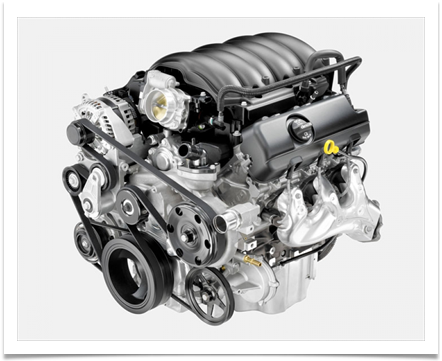
If you’re looking for a Toyota 2JZ-GE Engine for sale, you’ve found one of the most trusted inline-sixes Toyota ever built, just without the turbos everyone talks about. The 2JZ-GE is the naturally aspirated half of the JZ family, the same basic architecture as the legendary 2JZ-GTE, minus the twin turbos and with a taller compression ratio instead. It’s quieter to own, cheaper to maintain, and honestly underrated by people who only care about the turbo version. We source, test, and ship these worldwide.
A lot of buyers assume the naturally aspirated 2JZ is the “lesser” engine, and in a straight power comparison to the GTE, sure, it is. But that misses what this engine is actually good at: it’s an over-built, cast-iron-block six that shrugs off high mileage, doesn’t need a turbo’s supporting cast of intercoolers and boost controllers, and bolts into the same chassis as its turbocharged sibling. For a lot of builds, that’s exactly the point.
When someone comes to us looking for a Toyota 2JZ-GE Engine for sale, they’re usually trying to avoid one of two things: an engine represented as low-mileage with no actual documentation, or a “complete” listing missing the wiring harness or ECU they assumed was included. This page covers the real specs, what to watch for, and how we prepare every unit before it ships.
Table of Contents
- What Is the Toyota 2JZ-GE Engine?
- Toyota 2JZ-GE Engine Specifications
- Where the 2JZ-GE Actually Gets Used
- Being Honest About the 2JZ-GE’s Reputation
- Common 2JZ-GE Problems We Check For
- How We Prepare Every 2JZ-GE Before It Ships
- Used vs. Rebuilt: What Makes Sense for a 2JZ-GE
- Shipping This Engine Worldwide
- 2JZ-GE vs. 2JZ-GTE and 2JZ-FSE
- Turbo Swap Notes
- Why Buy This 2JZ-GE From Us
- What’s Included With Every Order
- Keeping a 2JZ-GE Healthy Long Term
- Common Swap Platforms
- Frequently Asked Questions
- Get Your Toyota 2JZ-GE Engine for Sale Today
What Is the Toyota 2JZ-GE Engine?
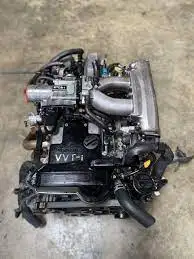
The 2JZ-GE is a 3.0-liter inline-six with a cast-iron block, an aluminum DOHC 24-valve head, and sequential electronic fuel injection. It’s naturally aspirated, unlike its famous 2JZ-GTE sibling, and Toyota tuned it for smooth, linear power delivery rather than outright peak output. Later production years added VVT-i, which improved both low-end torque and efficiency without changing the fundamental architecture.
What makes this engine appealing to swap builders and daily drivers alike is how over-engineered it is for what it was asked to do. Toyota built the JZ block to handle the stress of the turbocharged GTE variant, which means the naturally aspirated GE version is running well within its structural limits every day. That headroom is a big part of why these engines routinely rack up huge mileage without needing internal work.
Toyota 2JZ-GE Engine Specifications
Here are the factory numbers for this engine across its production run.
| Engine Code | 2JZ-GE |
| Configuration | Inline-6, DOHC, 24 valves, cast-iron block, aluminum head |
| Displacement | 3.0L (2,997 cc) |
| Bore x Stroke | 86.0mm x 86.0mm |
| Induction | Naturally aspirated, sequential EFI |
| Power | 212–227 hp @ 5,800–6,000 rpm |
| Torque | 209–220 lb-ft @ 4,800–5,800 rpm |
| Valvetrain | Belt-driven DOHC, VVT-i on later production |
| Applications | Toyota Supra (NA), Aristo, Mark II, Crown, Lexus GS300, SC300, IS300 |
For a deeper look at the whole JZ engine family’s history, see Wikipedia’s page on the Toyota JZ engine.
Where the 2JZ-GE Actually Gets Used
This engine shipped in a wide range of Toyota and Lexus platforms: the naturally aspirated Supra (both the MA70 and early MK4 in some markets), the Aristo, Mark II, Crown, Altezza, and on the Lexus side, the GS300, SC300, and IS300. That spread of applications is part of why parts and donor cars are relatively easy to find compared to rarer engines.
Most of our buyers are replacing a tired engine in one of these cars with a tested unit, or building something completely different, drift cars, off-road builds, even boats, where a smooth, reliable inline-six without turbo plumbing is exactly what the project calls for.
We also hear from a fair number of buyers restoring an Aristo or an early Supra to original spec after a previous owner pulled the factory engine for a swap. If that’s your situation, matching the correct engine code and production year matters for keeping the car numbers-correct, so let us know what you’re restoring and we’ll help confirm you’re getting the right variant rather than just any 2JZ-GE that happens to be in stock.
Being Honest About the 2JZ-GE’s Reputation
The reputation is well earned. This is the same basic block Toyota trusted to survive 320-plus horsepower in the GTE, so running it naturally aspirated puts almost no stress on the internals. High-mileage examples with well over 250,000 km on the clock still commonly show healthy compression, which isn’t something you can say about most engines from this era.
It’s not flawless. The timing belt and water pump need replacing on schedule, this isn’t a chain-driven design, and skipping that service is the single most common way people turn a healthy 2JZ-GE into an expensive repair. Oil leaks from valve cover gaskets and the rear main seal show up on higher-mileage units too, cosmetic rather than dangerous, but worth knowing about before you buy.
Common 2JZ-GE Problems We Check For
Timing belt and water pump condition: We check service history where available and inspect belt condition directly rather than assuming it’s been done.
Valve cover and oil pan gasket leaks: Common on higher-mileage units. We note any seepage so you know exactly what you’re getting.
VVT-i actuator function (later units): We verify oil pressure builds correctly and there’s no excessive rattle on cold start.
Compression across all six cylinders: A full compression test is done on every engine before it’s cleared for sale.
Wiring harness and sensor completeness: We document exactly what’s intact so there are no surprises after installation.
How We Prepare Every 2JZ-GE Before It Ships
Every Toyota 2JZ-GE Engine for sale we list goes through compression testing on all six cylinders, a visual inspection of the timing components, and a check of the wiring harness against factory diagrams. We photograph the actual unit so you know exactly what you’re buying.
Once an engine passes, we drain the fluids for shipping, cap every opening to prevent contamination, and build a crate sized specifically for this engine so it doesn’t shift around in transit.
Used vs. Rebuilt: What Makes Sense for a 2JZ-GE
Given how over-built this engine is, a tested used unit is the right call for most replacement situations. Parts are widely available and inexpensive if something does need attention down the road, so there’s less reason to pay for a full rebuild upfront compared to rarer engines with thin parts support.
A rebuild makes sense if you’re planning to add a turbo down the line and want fresh bearings and rings before adding boost, or if you’re building toward a specific power target that calls for forged internals from the start.
Shipping This Engine Worldwide
We ship the 2JZ-GE to buyers everywhere and handle the export paperwork that comes with international freight. Every shipment includes a commercial invoice and the documentation your country typically requires. Ocean freight is the economical choice for most international orders; air freight costs more but gets your engine to you in days if you’re on a deadline.
2JZ-GE vs. 2JZ-GTE and 2JZ-FSE
If you’re deciding between engines in this family, the 2JZ-GTE is the twin-turbo version, significantly more power but with the added complexity and cost of a boosted fuel and cooling system. The 2JZ-FSE is a direct-injection variant used in some later Japanese-market applications, less common and more complex to source parts for.
If your build doesn’t need forced-induction power and you’d rather have a simpler, more reliable engine that’s cheaper to insure and run, this naturally aspirated version is usually the smarter choice over chasing turbo power you may not actually need.
Turbo Swap Notes
Because the 2JZ-GE shares its block architecture with the GTE, some builders buy the naturally aspirated version specifically to add a turbo kit themselves, either to save money over sourcing a complete GTE or because a GE happened to come out of a clean, well-documented donor car. This works, but it’s not a simple bolt-on. You’ll need the GTE’s pistons or a comparable forged set to safely lower compression, the turbo manifold and plumbing, a compatible ECU or standalone engine management, and injectors sized for boost.
If you’re planning this route, talk to us before you order. We can help you understand what you’re taking on, and in some cases point you toward GTE-specific components that make more sense to source alongside the base engine rather than after the fact.
Cost is the other consideration worth thinking through honestly. By the time you’ve sourced forged pistons, a turbo kit, supporting fuel system upgrades, and a tune, a GE-to-GTE conversion often costs close to what a complete used GTE would run, sometimes more once labor is factored in. It can still make sense if you already have a clean GE in hand or want to build to a specific power target the factory GTE doesn’t hit, but it’s rarely a shortcut to cheap horsepower, and we’d rather you go in with realistic expectations than find that out halfway through the build.
Why Buy This 2JZ-GE From Us
We test every engine and tell you the real compression numbers, not a vague description. When you buy a Toyota 2JZ-GE engine for sale from us, you get a documented unit, clear photos of the actual engine, and a straight answer about what’s included. If something doesn’t match what we told you, we make it right.
What’s Included With Every Order
Every listing spells out exactly what ships: the long block, cylinder head, intake manifold, throttle body, and the engine wiring harness. Accessories like the alternator, power steering pump, and AC compressor are noted separately since inclusion depends on the donor vehicle. If you need the ECU or specific mounts, ask before you order rather than assuming, we’d rather answer questions upfront than have you discover a missing part mid-install.
We also keep basic donor vehicle details on file where available, approximate mileage, the car it came out of, and anything notable we found during teardown. It’s not always a complete history, auction records vary, but we pass along whatever documentation exists rather than treating every engine as a blank slate.
Keeping a 2JZ-GE Healthy Long Term
Once your engine is installed, a handful of habits go a long way. Stay on top of the timing belt and water pump interval religiously, this is the single biggest maintenance item on this engine, and a belt failure can bend valves and turn a straightforward job into an expensive one. Most shops recommend replacing both together every 90,000 to 100,000 kilometers regardless of how the belt looks visually.
Use a quality oil in the weight Toyota specifies and don’t stretch change intervals, especially if the car sees spirited driving or track use. This engine is tough, but tough doesn’t mean immune to neglect, and the same forgiving nature that lets it survive high mileage under normal care will punish you eventually if you skip maintenance entirely.
If you’re planning a future turbo conversion, it’s worth thinking about that now rather than after the naturally aspirated engine is already broken in. Some builders choose to run the GE stock for a season to confirm the rest of the car is sorted before investing in forced induction, which is a reasonable way to spread out the cost and complexity of a bigger build.
Common Swap Platforms
The 2JZ-GE shows up in swap builds more often than people expect, given that most of the attention in the JZ community goes to the turbocharged version. Drift builders in particular like this engine for chassis where reliability and low maintenance matter more than outright power, an S-chassis Nissan or an AE86 with a 2JZ-GE swap gives you a smooth, torquey inline-six without the plumbing and tuning complexity a turbo setup demands.
It’s also a popular choice for builders converting older RWD Toyotas and Lexus models that came with weaker four-cylinder or smaller six-cylinder engines from the factory. Dropping in a 2JZ-GE gives a meaningful power and refinement upgrade while keeping the swap relatively straightforward, since mounting points, driveshaft length, and wiring are well documented across the enthusiast community after decades of people doing exactly this swap.
Marine conversions are less common but not unheard of, the JZ block’s durability and smooth power delivery make it a reasonable choice for a inboard repower project where a turbocharged engine’s heat and complexity would be a liability in a boat’s engine bay. If you’re considering something outside the usual car-to-car swap, talk to us about what you’re planning, we’ve seen enough unusual builds to have useful input on whether this engine is the right fit.
Whatever platform you’re building for, matching the engine to a compatible transmission matters as much as the swap itself. The 2JZ-GE was paired with both automatic and manual transmissions across its production run, and which one came with your specific donor engine affects what you’ll need to source separately if you want a different gearbox for your build.
Frequently Asked Questions
How much horsepower does a 2JZ-GE make stock?
Between 212 and 227 hp depending on model year and market, with torque between 209 and 220 lb-ft.
What’s the difference between the 2JZ-GE and 2JZ-GTE?
The GTE adds twin turbochargers and lower compression pistons for forced induction. The GE is naturally aspirated with higher compression for smoother, more efficient daily use.
Can I turbo a 2JZ-GE?
Yes, the block shares its architecture with the GTE, but you’ll need lower-compression pistons, turbo plumbing, and appropriate engine management to do it safely.
Do you test every engine before shipping?
Yes, every unit gets a compression test and documented inspection results before it ships.
Can you ship this engine internationally?
Yes, we ship worldwide and handle export documentation and customs paperwork for international orders.
Get Your Toyota 2JZ-GE Engine for Sale Today
If you need a tested, documented Toyota 2JZ-GE Engine for sale, we have units in stock and ready for inspection. Check current availability and pricing here, or browse our full engine inventory if you’re comparing options. Still deciding between used and rebuilt? Our guide on choosing between a used and rebuilt engine breaks down the trade-offs.