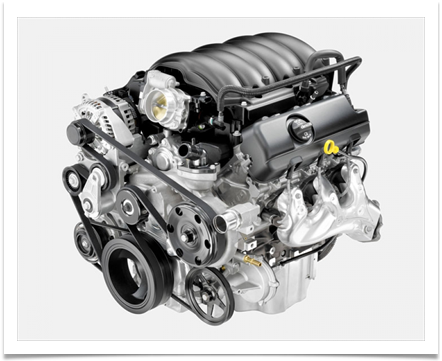
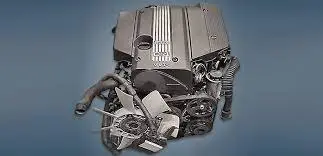
This is one of the more misunderstood engines we sell, so if you’re searching for a Toyota 2JZ-FSE Engine for sale, there’s a decent chance you’ve already run into conflicting information about what it actually is. It’s not the twin-turbo 2JZ-GTE that everyone recognizes from the Supra, and it’s not the naturally aspirated 2JZ-GE either. It’s a rarer, JDM-only variant built around direct injection, and knowing that difference matters a lot before you spend money on one.
We source, test, and ship 2JZ-FSE engines to buyers who specifically want this variant, often for JDM luxury sedan restorations or specific engine-swap projects where its particular characteristics matter. This guide covers the real specs, what sets it apart from the more common 2JZ variants, and how the buying process works from our end.
What Is the Toyota 2JZ-FSE?
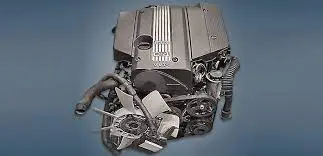
The 2JZ-FSE is a 3.0-liter inline-six from Toyota’s JZ engine family, built with a belt-driven DOHC 24-valve head and, unlike its more famous siblings, D-4 direct fuel injection with narrow-angle cylinder heads and swirl control valves. It was engineered to run at extremely lean air-fuel ratios for better efficiency and lower emissions while holding performance roughly on par with the VVT-i 2JZ-GE, and it’s always paired with an automatic transmission in factory applications. Toyota introduced this variant around 2000, well after the more widely known 2JZ-GE and 2JZ-GTE had already established the family’s reputation.
What makes a Toyota 2JZ-FSE Engine for sale a different kind of purchase than a GE or GTE search is that this specific variant is genuinely rare outside Japan, and the direct injection system, while technically sophisticated for its era, isn’t the engine most swap builders are chasing when they say they want a “2JZ.” If you specifically need the FSE, usually because you’re restoring or maintaining a JDM sedan that came with it from the factory, it’s worth understanding exactly what you’re buying before you commit.
Toyota 2JZ-FSE Specifications
Here’s the spec sheet we give customers who want the numbers before anything else:
| Engine type | 3.0L inline-6, DOHC, 24-valve, D-4 direct injection |
| Displacement | 2,997 cc (3.0 liters) |
| Bore x Stroke | 86 mm x 86 mm |
| Compression ratio | 11.3:1 |
| Fuel system | D-4 direct injection with swirl control valves for lean-burn operation |
| Power output | Approximately 217–220 hp |
| Torque | Approximately 217 lb-ft (294 Nm) |
| Valvetrain | Belt-driven DOHC, no turbocharger |
| Fuel type | Gasoline |
The power and torque figures land close to the naturally aspirated 2JZ-GE, which makes sense given both engines share the same basic block and displacement – the difference here is efficiency and emissions behavior rather than outright output. If a seller is describing a 2JZ-FSE as a performance or turbo variant, that’s a sign they’ve mixed it up with the GTE, and you should ask more questions before buying.
Which Vehicles Take a Toyota 2JZ-FSE?
This variant was used in specific JDM-market applications, primarily later face-lift versions of the Toyota Aristo (JZS161), the Toyota Crown Majesta, and select Lexus GS300 models sold in Japan with the D-4 fuel system. It was never sold in North America as a factory fitment, which is a big part of why it’s harder to find outside Japan than the more common 2JZ-GE. Always confirm your exact chassis and production year before ordering, since Toyota offered several fuel system variants across the Aristo and Crown Majesta’s production run, and not every one of them is the FSE specifically.
Why This Engine Is Worth Understanding Before You Buy
The 2JZ-FSE represents Toyota’s attempt to push efficiency and emissions performance on a platform that was otherwise known for raw output in its turbocharged form. The narrow-angle cylinder head design and swirl control valves that enable lean-burn operation were genuinely advanced for the era, and the engine shares the same fundamentally strong bottom end that makes the entire JZ family well regarded. If you’re restoring or maintaining a JDM sedan that came with this engine, replacing it with another FSE preserves the car’s factory character and emissions behavior in a way that dropping in a GE or GTE simply wouldn’t.
That said, this isn’t the engine to buy if you’re chasing performance or planning to add forced induction – the direct injection fuel system and lean-burn tuning weren’t designed with that kind of modification in mind, and builders looking for a turbo-ready JZ platform are almost always better served by a GE or GTE core instead.
Common 2JZ-FSE Problems
Direct injection components, including the high-pressure fuel pump and injectors, are more complex and more expensive to service than the simpler port injection used on the GE variant, so it’s worth budgeting for that if something does go wrong. Swirl control valve mechanisms can stick or wear over time, which affects the lean-burn combustion process the engine relies on for its efficiency advantage. Because so few of these engines circulate outside Japan, parts availability for FSE-specific components is genuinely more limited than for the GE or GTE, so sourcing from a specialist supplier who understands the difference matters more here than it would with a more common variant.
Signs You Need a Replacement Engine
A rough idle or hesitation that a standard tune-up doesn’t resolve can point to swirl control valve or direct injection system issues specific to this variant. Declining fuel economy without an obvious cause is worth investigating given how central the lean-burn system is to this engine’s design. A persistent knock or unusual noise under load points to bottom-end wear, similar to what you’d check for on any JZ-family engine. Coolant loss with no visible external leak often means a head gasket issue. If you’re chasing more than one of these symptoms and specifically want to preserve your car’s factory FSE configuration, sourcing a tested Toyota 2JZ-FSE Engine for sale is usually more practical than trying to source increasingly scarce direct injection components piecemeal.
Used vs. Rebuilt 2JZ-FSE Engines
We stock both when available, though sourcing this specific variant takes longer than the more common GE or GTE given how much rarer it is outside Japan. A used 2JZ-FSE, pulled from a running donor vehicle and compression tested, is the more affordable route when we have one in stock. A rebuilt unit costs more but makes sense if you’re restoring a car you plan to keep long-term and want the engine in the best possible condition given how hard replacement components can be to source down the road.
How We Test Every 2JZ-FSE Before Listing It
Every Toyota 2JZ-FSE Engine for sale in our inventory goes through a compression test across all six cylinders, a cooling system pressure check, an oil analysis for metal contamination, and a functional check of the direct injection and swirl control systems where possible. If a unit doesn’t check out clean, it doesn’t get sold as a running engine – we rebuild it properly first or part it out instead. We photograph the actual engine you’ll receive, not a generic catalog photo, so you know exactly what’s showing up at your door.
How to Confirm You’re Buying a Genuine 2JZ-FSE
The engine code is stamped on the block, and given how often this variant gets confused with the GE or GTE, it’s worth insisting on a clear photo of that stamp before you commit to buying. Ask specifically about the donor vehicle – an Aristo, Crown Majesta, or Lexus GS300 with the D-4 badge is the kind of detail a legitimate seller will confirm readily, while someone who’s vague about it may not actually understand what they’re selling you. We include donor vehicle information and stamp photos on every listing so you’re not buying blind.
2JZ-FSE vs. 2JZ-GE vs. 2JZ-GTE
These three get mixed up constantly, so it’s worth being precise. The 2JZ-GE is the naturally aspirated, port-injected version most commonly found in the Supra, Aristo, and various Lexus models, and it’s the most widely available variant on the used market. The 2JZ-GTE is the twin-turbocharged performance version most famous from the Supra and the one most swap builders are actually after when they say “2JZ.” The 2JZ-FSE, covered here, swaps port injection for D-4 direct injection and lean-burn tuning aimed at efficiency rather than power, and it was never turbocharged from the factory. If you’re not sure which one your car came with or which one a build actually needs, tell us your goals and we’ll help you figure out the right engine rather than just selling you whichever one we happen to have on the shelf.
Why Some Buyers Specifically Seek Out the FSE
It might seem strange that anyone would go out of their way to source the least powerful, least turbo-friendly member of the JZ family, but the buyers who specifically want an FSE almost always have a clear reason. Restoring a Crown Majesta or a later Aristo to its original factory configuration means keeping the engine that actually came with the car, not swapping in whatever JZ variant happens to be easiest to find. There’s also a smaller but genuine interest from enthusiasts curious about Toyota’s early direct injection engineering, since the D-4 system on this engine represents a real technical stepping stone toward the direct injection setups that are now standard across the industry. If either of those describes what you’re doing, sourcing the correct variant matters more than it would for a typical engine swap where “close enough” is often good enough.
We’d rather steer a customer toward the right engine for their actual goals than sell whatever’s easiest to move, so if you’re on the fence about whether you need an FSE specifically or would be better served by a GE or GTE core, tell us what you’re building and we’ll give you an honest answer.
Repair or Replace: Running the Numbers
A single contained issue – a sensor, a coil, a minor fuel system component – is usually worth repairing directly, especially given how specialized and potentially expensive full direct injection system diagnosis can be. But once you’re looking at a head gasket job, bottom-end wear, or failing direct injection hardware that’s hard to source, the total repair cost can climb quickly given the specialized nature of the parts involved. Get a real quote from a shop that specifically understands D-4 direct injection systems, and compare that total against a documented Toyota 2JZ-FSE Engine for sale plus installation before deciding.
What Happens to Your Old Engine
We don’t operate a mandatory core return program, so your old engine is yours to handle as makes sense for you – part it out to other FSE owners who need components, sell it to a specialist, or scrap it. Given how relatively rare this variant is, individual direct injection components off a 2JZ-FSE can be worth more to another owner restoring the same platform than you might expect, so it’s worth asking us for guidance before you scrap a whole block.
Shipping the 2JZ-FSE Worldwide
These engines ship domestically and internationally, crated securely given the value and the precision components involved. A meaningful share of our 2JZ-FSE orders come from outside the U.S., particularly from buyers restoring JDM sedans in markets where these cars were more commonly sold. We handle export documentation and can advise generally on what to expect with customs and import duties, though final figures depend on your local regulations.
Buying From Outside the United States
Because this engine was a JDM-market fitment, a large share of our inquiries and orders for the 2JZ-FSE come from international buyers restoring or maintaining Aristo, Crown Majesta, and Lexus GS300 models. We’re used to coordinating export paperwork and shipping for exactly this kind of specialized order, and we crate every unit to handle ocean or air freight securely given the value involved. Check with your local customs broker for exact duty figures, since those vary by country and we can’t provide definitive numbers on our end.
Common Questions About the 2JZ-FSE
Is the 2JZ-FSE a good engine for a performance build? Not really – this variant was engineered for efficiency and lean-burn operation, not power, and its direct injection fuel system isn’t set up for forced induction the way a GE or GTE core would be. If performance is your goal, a different JZ variant is almost always the better starting point.
Can I convert a 2JZ-FSE to port injection? It’s technically possible but involves swapping the intake, fuel system, and ECU tuning to essentially replicate a GE-spec setup, at which point most builders find it’s simpler to just source a GE core to begin with.
Will a used 2JZ-FSE come with the wiring harness and ECU? That depends on the specific listing, so always check before ordering. Given how specific the D-4 direct injection system’s tuning is, we’d recommend sourcing the matching ECU and harness from the same donor whenever possible.
How rare is this engine compared to the GE and GTE? Meaningfully rarer, especially outside Japan. It was a narrower-market fitment aimed at specific JDM luxury sedans rather than the sports car and broader sedan applications the GE and GTE covered.
Do you keep this variant in stock consistently? Availability varies more than with the GE or GTE given how much harder this variant is to source. Reach out and we’ll tell you current stock status and expected timelines if we need to source one specifically for you.
Is the 2JZ-FSE interference or non-interference? It shares the same basic architecture and belt-driven cam design as other JZ-family engines, so timing belt condition and replacement interval matter just as much here as they do on the GE, and neglecting it carries the same risk of valve damage if the belt fails.
What transmission does the 2JZ-FSE pair with? It was always paired with an automatic transmission from the factory in every application we’re aware of, so if you’re sourcing a complete drivetrain, plan around that rather than looking for a manual-transmission donor.
Can you source a matching automatic transmission along with the engine? Depending on current stock, yes – tell us if you need the transmission as well as the engine and we’ll let you know what’s available to pair with your specific unit.
Maintenance That Extends the Life of This Engine
Stay on top of timing belt replacement intervals, since this is a belt-driven design and neglecting it carries real risk given the interference-style layout shared across the JZ family. Keep the direct injection system’s fuel quality high, since contaminated fuel affects the high-pressure injection components more than it would a simpler port-injected engine. Have the swirl control valve mechanism inspected periodically, since its condition directly affects how well the lean-burn system functions. None of this is complicated, but given how specialized some of these components are, staying ahead of maintenance matters more here than it would on a more common variant.
Ordering Your Toyota 2JZ-FSE Engine for Sale
When you’re ready, check out our current Toyota 2JZ-FSE Engine for sale listing for pricing, documented history, and photos of the actual unit. Given how specialized sourcing this variant can be, we’d encourage reaching out directly first with your chassis details so we can confirm exactly what’s available and what condition it’s in. We accept card payment and bank transfer for larger orders, and we can arrange freight to most destinations worldwide.
Ready to Buy a Toyota 2JZ-FSE Engine for Sale?
If you’ve read this far, you understand this engine better than most people shopping for a “2JZ” without knowing the difference between variants. Take a look at our current Toyota 2JZ-FSE Engine for sale listing for pricing, available configurations, and stock photos of the actual unit. For a deeper technical look at how the FSE compares to the GE and GTE within the broader JZ family, the Toyota JZ engine overview on Wikipedia is a solid reference to keep reading.
More Engines Currently in Stock
While you’re here, take a look at the rest of our tested inventory: an Audi EA839 engine for sale for A6, A7, Q7, and S-badged Audis, a Toyota 2GR-FE engine for sale for Camry and Highlander owners, a Mitsubishi 4B11T engine for sale for Evo X builds, and a Toyota 1Hdt Engine for sale for Land Cruiser diesel applications. Get in touch if you’d rather just describe your project and let us point you at the right engine.