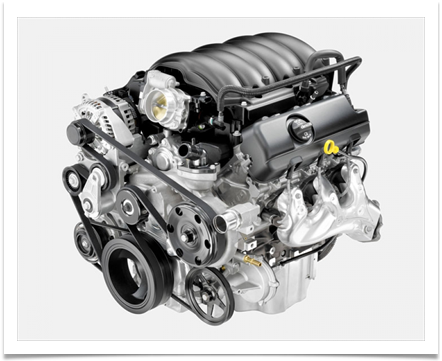
Tested used engines are what every buyer wants, and “tested” is the word almost every seller uses. The trouble is that the word means very different things depending on who says it. For one seller it means the engine was started before it came out of the car. For another it means a full compression and leak-down check. For some it means somebody looked at it and it seemed fine. This guide explains what real testing looks like, what each test can and cannot tell you, and what to ask before you buy.
We sell tested used engines for cars, pickups, SUVs, vans and trucks, and we ship them worldwide. Ready to look? Browse our used engines for sale or check the full shop for prices and photos.
Table of Contents
Why Tested Used Engines Are Worth Insisting On
When you buy an engine you have not seen, you are betting on what is inside it. Testing turns that bet into something closer to a measurement. A good set of numbers tells you the rings are sealing, the valves are closing, the bearings are getting oil and nothing is mixing that should not mix.
It also protects you later. If a seller has a record of how the engine tested before it shipped, and something goes wrong, it is much easier to work out whether the fault was there before or happened after. Tested used engines with written results are easier to claim on, easier to trust and easier to sell on with the vehicle.
7 Tests That Matter on Tested Used Engines
1. Compression test
A gauge is screwed into each spark plug or injector hole and the engine is cranked. The reading shows how well each cylinder holds pressure. What matters most is that the readings are even. Many mechanics use a rough rule that the lowest cylinder should be within about 10 percent of the highest. One low cylinder can mean a burnt valve, worn rings or a head gasket problem. Two low cylinders side by side often point to the head gasket.
What it misses: it does not tell you why a cylinder is low, and it says nothing about the bottom end.
2. Leak-down test
Compressed air goes into each cylinder at top dead centre, and a gauge shows how much leaks out. You then listen for where it is going. Air from the oil filler means rings. Air from the intake means an intake valve. Air from the exhaust means an exhaust valve. Bubbles in the coolant mean a head gasket or a crack. A leak-down tester gives a more exact picture than compression alone.
What it misses: like compression, it does not check bearings or oil pressure.
3. Oil pressure check
On an engine that can be run, a mechanical gauge in place of the oil pressure sender shows whether the oil pump and bearings are healthy. Low oil pressure when warm can mean worn bearings, which is the most expensive problem an engine can have.
What it misses: it only works if the engine runs, so it is usually done before removal.
4. Run test before removal
Starting and running the engine in the donor vehicle shows how it idles, whether it smokes, whether it knocks or ticks, and whether warning lights come on. Some sellers record a short video. That video is worth a lot more than the word “runs”.
What it misses: a short idle does not show problems that only appear under load or when hot.
5. Fault code scan
Plugging a scanner into the car before the engine comes out shows stored and pending fault codes. Misfire codes, sensor faults and fuel trim problems all turn up here. The on-board diagnostics system often knows about a problem before you can hear it.
What it misses: codes may have been cleared, and older vehicles may have limited data.
6. Borescope inspection
A thin camera goes through the plug or injector hole and shows the cylinder walls, piston tops and valves. Scoring, rust, heavy carbon or a damaged piston show up clearly. A borescope is one of the best ways to check tested used engines without taking them apart.
What it misses: it shows surfaces, not measurements, and cannot see the bearings.
7. Turbo and cooling checks
On turbo engines, the turbo shaft is checked for play and the intake for oil. On any engine, a cooling system pressure test can show leaks, and the oil and coolant are checked for signs of mixing. Milky oil or oily coolant is a stop sign.
What it misses: a turbo can have little play and still be near the end of its life. Ask how old it is if the seller knows.
A Quick Table of What Each Test Shows
| Test | Done on | Shows | Does not show |
|---|---|---|---|
| Compression | Running or removed engine | Ring and valve sealing, cylinder by cylinder | Bearing wear, oil pressure |
| Leak-down | Running or removed engine | Where pressure is lost | Bearing wear, oil pressure |
| Oil pressure | Running engine | Bearing and oil pump health | Ring or valve problems |
| Run test | Engine in vehicle | Idle quality, noises, smoke, warning lights | Problems under load |
| Fault code scan | Engine in vehicle | Stored sensor and misfire faults | Mechanical wear |
| Borescope | Running or removed engine | Cylinder walls, pistons, valves | Measurements, bearings |
| Turbo and cooling | Running or removed engine | Turbo play, leaks, oil and coolant mixing | Exact turbo life left |
No single test tells you everything about tested used engines. The best tested used engines have had at least two or three of these done, ideally including a compression test and either a run test or an oil pressure check.
Specifications and Compression Ratios of Popular Engines
When you read test results, it helps to know what the engine was built to do. The compression ratio is one of the basic specifications, and it explains why a diesel reads so much higher on a gauge than a petrol engine. You can read more about compression ratio if you want the theory. Here are some engines we sell regularly.
| Engine | Displacement | Layout | Compression ratio | Power (approx.) | Our price |
|---|---|---|---|---|---|
| Toyota 2AZ-FE | 2,362 cc | I4 petrol | 9.6:1 | 158 to 170 hp | $900 |
| Toyota 1GR-FE | 3,956 cc | V6 petrol | 10.0:1 | 236 to 285 hp | $1,400 |
| Nissan VQ40DE | 3,954 cc | V6 petrol | 9.7:1 | 261 to 270 hp | from $1,100 |
| Toyota 2JZ-GTE | 2,997 cc | I6 twin turbo | 8.5:1 | 276 to 320 hp | $3,500 |
| BMW N54 | 2,979 cc | I6 twin turbo | 10.2:1 | 300 to 335 hp | $3,800 |
| Toyota 1KD-FTV | 2,982 cc | I4 turbo diesel | 15.0 to 17.9:1 | 161 to 171 hp | $1,100 |
| Duramax LML | 6,599 cc | V8 turbo diesel | 16.0:1 | about 397 hp | $8,200 |
| 6.7 Powerstroke | 6,651 cc | V8 turbo diesel | 16.2:1 | 390 to 475 hp | $8,500 |
Compression gauge readings depend on the gauge, the cranking speed, the battery, the altitude and the temperature, so there is no single “correct” number to look for across all engines. That is why evenness between cylinders matters more than the exact figure. Your workshop manual will give the service limits for your specific engine.
How to Read Test Results Without Being a Mechanic
You do not need to understand every detail to judge tested used engines. These simple rules cover most of it.
- Even is good. Compression or leak-down numbers that are close to each other across all cylinders are what you want.
- One odd cylinder is a question. Ask what the seller thinks caused it, and whether a retest with a little oil in the cylinder changed it. If the number goes up with oil, rings are the likely issue. If it does not, valves are more likely.
- Two low cylinders next to each other is a warning. That pattern often points to a head gasket.
- Milky oil is a stop. Coolant in the oil is a serious problem on any engine.
- A clean run video is reassuring. Smooth idle, no knock, no heavy smoke and no warning lights.
If you are not sure, send the results to your own mechanic before you buy. Most will look at a set of numbers and a video for free or a small fee, and it is money well spent.
What to Ask a Seller About Tested Used Engines
Here is a short list of questions. A seller who really sells tested used engines will answer them without fuss.
- Which tests were done on this engine?
- Were they done before or after the engine came out of the vehicle?
- Can you send the results, or a photo of the gauge readings?
- Is there a video of the engine running?
- Were there any fault codes before removal?
- How has the engine been stored since?
- What does the warranty cover if something shows up after install?
When you ask us about a specific engine, we tell you what checks were done and what information we have on it. If we do not have a particular result, we will tell you that too. Every engine we sell goes through our inspection process, and every one comes with a 6-month limited warranty. You can read the cover on our terms and services page and our guide to used engine warranty terms.
Tested Used Engines vs Untested Ones
Untested engines are cheaper than tested used engines, and some people buy them on purpose. A rebuilder looking for a core, or someone who plans to strip the engine anyway, may not care how it tested. For anyone who wants to fit the engine and drive, though, buying untested is a gamble. The saving is usually small next to the cost of fitting an engine twice.
| Tested used engines | Untested engines | |
|---|---|---|
| Price | A bit higher | Lower |
| Risk at install | Lower | Higher |
| Warranty | Usually included | Often limited or none |
| Best for | Fit and drive | Rebuild projects and cores |
Testing After the Engine Arrives
Even with tested used engines, a few checks on delivery day are a good habit. Ask your mechanic to turn the engine over by hand, look into the ports, check the oil, and compare the engine side by side with your old one. If they have the time, a quick compression test on the bench confirms the engine travelled well.
After install, the first start is a test in itself. Prime the oil system, start it and watch the oil pressure come up. Let it reach temperature, check for leaks and listen. Scan for fault codes after the first drive. Change the oil again after the first few hundred kilometres. If anything seems off, stop and call the seller. Do not keep driving on a problem.
Testing Turbo Petrol and Performance Engines
Turbo petrol engines such as the BMW N54, the Toyota 2JZ-GTE, the Nissan RB25DET and the Mitsubishi 4G63T are popular with people who want power, which also means many of them have had a hard life. Testing matters even more on these.
Start with compression or leak-down on every cylinder, because tuned engines that have been pushed hard often show one or two cylinders that are lower than the rest. Look at the turbo or turbos closely: shaft play, oil in the intake pipes, and any sign of a cracked housing. Check for signs of modification, like aftermarket intercooler pipes, non-standard injectors or a tuned ECU. None of these automatically make an engine bad, but they change how much you should trust the mileage and how hard it was used.
On direct-injection engines like the N54, carbon build-up on the intake valves is common and does not show on a compression test. A borescope look through the intake ports tells you how bad it is. It is not a reason to walk away, since it can be cleaned, but it is something to budget for.
Ask whether the engine came out of a stock car. A stock engine from a road car is usually the safer buy, and the most honest tested used engines in this group come with a clear answer to that question. You can see what we have in our listings for the BMW N54, Nissan RB25DET and Mitsubishi 4G63T.
One more thing on performance builds: if you plan to add boost after install, the test results are your baseline. Keep them. If the engine ever starts losing power, a new test compared with the old one tells you very quickly what changed.
Tested Diesel Engines Need a Few Extra Checks
Diesels have parts that petrol engines do not, and those parts are expensive. That is why diesel buyers should ask a little more of tested used engines. On tested used engines that run on diesel, ask about:
- Injectors. Leak-back or balance results if available. Worn injectors cause smoke, rough running and hard starting.
- Turbo. Shaft play and any oil in the intake or intercooler pipes.
- Blow-by. Excessive fumes from the oil filler or breather when running often means worn rings.
- Fuel contamination. On common-rail engines, water or dirt in the fuel can damage the pump and injectors. Ask whether the fuel system was checked.
Our guide to used diesel engines for sale covers diesel buying in more depth.
When the Testing Happens Makes a Big Difference
The best time to test an engine is while it is still in the vehicle and can be run. That is the only moment you can check oil pressure properly, watch it idle at temperature, listen under a bit of load and read the fault codes. Once the engine is out, you can still do compression, leak-down and borescope checks, but the running tests are gone.
So when a seller says an engine was tested, ask when. “Tested before removal” with a video and a code scan is worth more than “tested” with no detail. Engines that come out of accident vehicles sometimes cannot be run, because the radiator or the wiring is damaged. In those cases, compression and a borescope look are the next best thing, and an honest seller will tell you that is what was done.
Storage and Shipping After the Test
A test result is a snapshot. It tells you how the engine was on that day. What happens afterwards matters too.
An engine left outside with open ports can take in rain, dust and insects. Moisture in the cylinders causes rust on the walls in a matter of weeks. Even well-kept tested used engines need their openings sealed, the oil left in or fogged, and a roof over them. Ask how the engine has been stored since it was tested.
Shipping is the other risk. Engines should travel drained of coolant, strapped down on a pallet, with every opening capped or taped. We pack ours that way because a good engine that arrives with a cracked sensor or water in the intake is not a good engine anymore. When it arrives, inspect the crate before signing, photograph any damage and tell the seller right away.
Mistakes People Make With Test Results
We see the same few misunderstandings again and again.
Comparing numbers from different gauges. A compression reading from one gauge and one battery is not directly comparable to a reading from another. Compare the cylinders on the same test against each other, not against a figure from a forum.
Testing a cold engine and panicking. Compression readings on a cold, dry engine that has sat for months can read a little low until the rings are wetted with oil. A small squirt of oil and a retest often tells the real story.
Ignoring the bottom end. Great compression does not mean the bearings are healthy. If the engine can be run, oil pressure matters as much as compression.
Taking “runs and drives” as a full test. It is a useful sign, nothing more. Plenty of engines run and drive with a problem that will show up a month later. Tested used engines should have more behind them than a car that moved across a yard.
Skipping the mechanic. If you are spending real money, have someone who knows engines look at the results before you pay. It costs little and catches a lot.
Guides for Specific Tested Used Engines
These guides go into the checks that matter most for particular engines:
- Used Mercedes M278 engine, tested
- Top 5 things to check before buying a used 1GR-FE engine
- Cummins ISX15 engine for sale guide
- 6.7 Powerstroke engine for sale guide
- Duramax LML engine for sale
- Nissan RB25DET engine for sale
How Buying Tested Used Engines From Us Works
Tell us your engine code, or send your VIN and we will work it out. We confirm the engine fits, tell you what comes with it, and answer your questions about condition and checks for that engine. You pay by bank transfer and get an invoice. We drain the engine, seal the openings, strap it to a pallet and ship it, with tracking, to wherever you are in the world. Our shipping policy and returns policy explain the details.
If you have not bought an engine this way before, our guide on how to buy used engine online is a good place to start. If you are still working out your budget, read our replacement engine cost guide. And if mileage is your main concern, our guide to low mileage used engines explains how to check it.
Tested Used Engines: Common Questions
What does “tested” mean on your engines?
Every engine we sell goes through an inspection before it is listed. Ask us about the engine you are interested in and we will tell you exactly what checks were done and what we know about it.
Is a compression test enough?
It is a very good start, and the most common test. Combined with a run test or oil pressure check, it gives a fairly complete picture.
Can a tested engine still fail?
Yes. Testing lowers the risk a lot but cannot remove it, which is why our engines also come with a 6-month limited warranty.
Should my mechanic test it again?
A quick check on delivery is a good idea for any engine. It confirms nothing happened in transit and gives you a record for your files.
Do you ship tested used engines worldwide?
Yes. We ship to buyers all over the world. Tell us where you are and we will explain how delivery works.
Are tested used engines more expensive?
A little, usually. Tested used engines cost slightly more than untested ones because someone has spent time checking them. The difference is small next to the cost of fitting an engine twice.
Order Tested Used Engines With Confidence
Tested used engines take a lot of the guesswork out of buying an engine you have not seen. Ask what was tested, ask for the results, and choose a seller who stands behind the engine with a written warranty. When you are ready, browse our used engines, look through the shop, or send us your engine code. We will tell you what tested used engines we have for your vehicle, the price, and how quickly we can ship it, anywhere in the world.