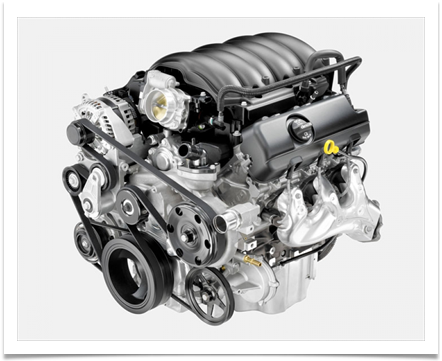
If you’re hunting for a Nissan ZD30 engine for sale, you’ve probably already found out how hard it is to get a straight answer on price, condition, and what actually fits your truck. That’s the whole reason this page exists. We pull, test, and ship ZD30 diesel engines to customers all over the world, and after a few thousand conversations with buyers, we know exactly what people want to know before they hand over their money: does it run right, what’s the mileage, will it bolt into my Patrol or Navara without a fight, and can you actually get it to me.
So let’s get into it. This is everything you need to know about the ZD30 before you buy one, written by people who’ve had their hands inside more of these blocks than we can count.
What Is the Nissan ZD30 Engine?
The ZD30 is Nissan’s 3.0-litre inline-four turbo diesel, and it’s been one of the most widely used engines in the Nissan 4×4 and light commercial lineup since it showed up in 1999. You’ll find it under the hood of the Patrol Y61, Navara D22, Terrano II, Pathfinder R50, and a long list of vans and cab-chassis trucks built for Nissan’s commercial customers. Renault even borrowed it for a few years to run in the Master and Mascott.
What made the ZD30 popular is simple: it’s a compact, torquey diesel that fits where a bigger six-cylinder can’t, and it does the job of hauling a loaded ute or wagon without drinking the tank dry. It replaced the older, heavier TD27 and TD42 engines in a lot of applications because it made more power from less bulk.
There are two broad generations worth knowing about if you’re shopping for a used or reconditioned unit. The early direct-injection version, built from 1999 through the mid-2000s, ran a VP44 distributor-type injection pump and earned a reputation — fair or not — for cracked cylinder heads on certain high-output turbo variants, especially in the Y61 Patrol. Nissan revised the design over the years, and the later common-rail version, introduced around 2007, moved to Bosch electronics with injection pressures up around 1600 bar. That later engine is a noticeably different animal under the skin, even though the badge on the block still says ZD30.
Knowing which version you’re actually being offered matters more than almost anything else when you’re comparing a Nissan ZD30 engine for sale from one supplier against another. Ask for the casting number and the injection type before you compare prices, because a naturally aspirated ZD30 out of a van and a high-output turbo unit out of a Y61 Patrol are not interchangeable, even though they share a family name.
Nissan ZD30 Engine Specifications
Here’s the specification sheet we hand to customers who want the technical side spelled out plainly:
- Configuration: Inline-4, diesel, turbocharged (most variants) or naturally aspirated (early low-output versions)
- Displacement: 2,953 cc (3.0 litres)
- Bore x Stroke: 96 mm x 102 mm
- Compression Ratio: 17.9:1 (turbo/common-rail) to 18.5:1 (naturally aspirated)
- Fuel System: Direct injection — VP44 distributor pump (1999–2006) or Bosch common-rail at up to 1600 bar (2007 onward)
- Power Output: 103–174 hp depending on the variant and market
- Torque: 154–398 lb-ft depending on turbocharging and generation
- Valve Train: Overhead camshaft, belt or gear driven depending on model year
- Cylinder Head: Aluminum alloy on most variants
- Block Material: Cast iron
Those numbers move around because Nissan tuned the ZD30 differently depending on the market and the vehicle it was going into. A Y61 Patrol running the turbo version made noticeably more torque than a naturally aspirated version fitted to a lighter commercial van, so when a customer asks us for a Nissan ZD30 engine for sale, the first thing we ask back is which vehicle and which year, because that tells us which spec sheet actually applies to them.
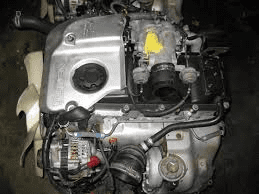
Vehicles That Use the ZD30
If you’re not sure whether your vehicle takes this engine, here’s the rundown of where it shows up:
- Nissan Patrol Y61 (GU)
- Nissan Navara D22
- Nissan Terrano II
- Nissan Pathfinder R50
- Nissan Caravan and Elgrand E50 (certain markets)
- Nissan Atlas, Atleon, and Civilian commercial trucks and buses
- Renault Master and Mascott (2003–2007, badge-engineered arrangement)
Because this engine crosses so many chassis and markets, mounting points, sensor placement, and ancillary brackets can differ between a Patrol version and a Navara version even though the block itself is the same casting. When you’re buying, always confirm the donor vehicle, not just the engine code, or you’ll end up swapping brackets and mounts you didn’t plan on buying. It’s worth confirming this before you commit to any Nissan ZD30 engine for sale, from us or anyone else.
Common ZD30 Problems Worth Knowing Before You Buy
No engine is perfect, and pretending otherwise doesn’t help anybody. Here’s what actually goes wrong with the ZD30, based on what comes back to us on trade-ins and what customers tell us before they order:
Cracked cylinder heads. This is the complaint that follows the ZD30 around, and it’s mostly tied to the early turbo-diesel Patrol variant run hard under load, especially towing or in hot climates without adequate cooling. Overheating is the trigger almost every time — the head itself isn’t inherently weak, it just doesn’t forgive a cooling system that’s fallen behind on maintenance.
Injector pump wear. The VP44 pump on early models can lose calibration or wear internally after high mileage, leading to rough running, hard starts, or a loss of power. It’s a serviceable item, but replacement parts aren’t cheap, which is part of why so many owners choose a full engine swap instead of chasing individual components.
Turbo failure. Turbocharged variants can suffer from bearing wear or seal failure if oil changes have been neglected, which shows up as blue smoke or a whining noise under acceleration.
Timing chain and gear wear. High-mileage units occasionally develop chain stretch or gear wear, which shows up as a rattle on cold start that quiets down once oil pressure builds.
None of these problems are deal-breakers if you’re buying a properly tested replacement engine rather than gambling on a used unit pulled straight from a wrecked vehicle with no history. That’s the whole argument for buying a pre-tested engine instead of rolling the dice at a wrecking yard.
Signs Your ZD30 Actually Needs Replacing
A fair number of people come to us looking at a Nissan ZD30 engine for sale before they’ve actually confirmed the old one is beyond saving, so it’s worth running through the warning signs first.
White coolant residue on the dipstick, or oil that looks milky, usually points to a head gasket or cracked head letting coolant into the sump — this is the classic ZD30 complaint mentioned earlier, and once it starts, it doesn’t fix itself. A rising coolant temperature with no visible external leak is often the same problem in an earlier stage. If you’re topping up coolant every week or two with nothing on the ground underneath the truck, that coolant is going somewhere, and on this engine it’s usually going into the block.
Grey or white exhaust smoke under load, especially combined with a rough idle, points toward injector or pump wear rather than a head problem. Blue smoke, on the other hand, is oil getting into the combustion chamber, which usually means worn rings, worn valve seals, or a turbo seal that’s given up.
A knock that’s loudest on cold start and fades as the engine warms up is frequently timing chain stretch or worn chain guides. It’s not always urgent, but it’s a sign the internals have covered some serious mileage and a full replacement is probably cheaper in the long run than chasing individual wear items.
If your ZD30 is showing two or more of these signs together, you’re generally past the point where a single repair fixes things, and that’s exactly when swapping in a tested replacement makes more financial sense than throwing parts at the old one.
Comparing the ZD30 to the TD27 and TD42
Anyone who’s owned more than one Nissan diesel 4×4 has probably driven a TD27 or TD42 as well, and it’s a fair question whether the ZD30 is actually an upgrade or just a different set of trade-offs.
The TD42 is a 4.2-litre inline-six, naturally aspirated in most applications, and it’s famous for being nearly unkillable — slow, heavy, and about as complicated as a brick, which is exactly why so many stay in service for decades. The TD27 is a smaller 2.7-litre four-cylinder with a similar reputation for simplicity, though less power.
The ZD30 gives up some of that mechanical simplicity in exchange for real gains: more power and torque from a smaller, lighter package, better fuel economy, and smoother running thanks to direct injection. What you lose is some of the bulletproof reputation those older engines built up over thirty-plus years on the road. The ZD30 is a good engine, but it rewards proper cooling system maintenance in a way the TD42 mostly doesn’t demand. If you’re moving from a TD42 to a ZD30-equipped vehicle, keep an eye on coolant condition and radiator health from day one, and you’ll avoid the complaint that gives this engine its reputation — which is exactly why we double-check the generation before listing any Nissan ZD30 engine for sale on our site.
Shipping and Import Considerations for a ZD30
Because so many of our ZD30 customers are outside the country the vehicle was originally sold in, it’s worth covering what international buyers actually need to plan for.
Most destination countries classify a used engine differently from a new one for duty purposes, and some require an emissions or age declaration before customs will release it. We handle the commercial invoice and any supporting paperwork on our end, but you’ll want to check with your local customs broker or import agent about duties specific to your country before the engine ships, so there are no surprises when it lands.
Freight for an engine this size is usually palletized air freight for faster delivery or sea freight in a shared container for lower cost. Sea freight takes longer — sometimes six to ten weeks depending on the route — but it’s meaningfully cheaper for a block and head this heavy. We’ll walk you through both options with real transit estimates for your country when you request a quote, and every Nissan ZD30 engine for sale we ship ships with full customs paperwork included.
Maintenance Tips to Get the Most Out of Your Replacement Engine
Once your new or reconditioned ZD30 is installed, a few habits will keep it running for the long haul instead of joining the pile of cracked heads we hear about secondhand.
Flush and refill the coolant on schedule, and don’t stretch the interval — this is the single biggest factor in ZD30 longevity given how the head problem develops. Use the coolant type Nissan specifies, not whatever’s cheapest at the parts counter, since some off-brand coolants don’t play well with aluminum heads over time.
Change the oil and filter at the interval in your owner’s manual, not the extended interval some quick-lube shops push. Diesel engines load up oil with soot and combustion byproducts faster than a petrol engine does, and the ZD30’s turbo bearing depends on clean oil arriving under proper pressure.
If your variant uses a timing belt rather than a chain, know your replacement interval and stick to it — a snapped belt on an interference engine causes damage well beyond the belt itself. Stay on top of these habits and a Nissan ZD30 engine for sale bought today should still be running strong years from now.
Should You Buy Used or Reconditioned?
We sell both, and the honest answer depends on your budget and how long you plan to keep the vehicle.
Used ZD30 engines come out of donor vehicles that were still running when they were retired — usually written off in an accident, not a mechanical failure. We compression test and leak test every one before it’s listed, and we log the mileage and donor vehicle history where it’s available. This is the cheaper route and it’s the one most of our customers pick when they just need a reliable, working engine back on the road without breaking the bank.
Reconditioned ZD30 engines go through a full teardown — new pistons, rings, bearings, gaskets, and seals, with the block and head machined back to spec. If you’re keeping the vehicle long-term or you’ve had bad luck with a used engine before, this is the safer bet, and it comes with a longer warranty to match.
Either way, ask for the compression test numbers and the leak-down results before you buy, from any supplier. Anyone selling engines without offering that information isn’t testing them properly, or isn’t willing to show you the results — that’s the standard we hold every Nissan ZD30 engine for sale to before it gets listed.
Why Buy Your Nissan ZD30 Engine for Sale From Us
We ship a Nissan ZD30 engine for sale to customers on every continent, and here’s what that actually involves on our end:
Every engine is tested before it’s listed. Compression, leak-down, and a visual inspection of the injection system happen before anything goes up for sale. We’re not guessing, and we’re not hoping it starts when it arrives.
We tell you which version you’re getting. VP44 or common-rail, turbo or naturally aspirated, we specify it upfront so you’re not stuck with a mismatch after it’s already on a pallet.
Worldwide shipping, done properly. Engines go out crated and secured, with tracking, and we’ve handled the paperwork for shipments to Africa, the Middle East, the Pacific, and everywhere in between enough times to know what customs offices actually want to see.
Warranty backing. Both our used and reconditioned units carry a warranty, and we’ll talk you through the terms honestly instead of burying them in fine print.
Real technical support. If you’re not sure which variant fits your chassis, send us the VIN or chassis number and we’ll match it before you order, not after.
Long Block, Complete Engine, or Just a Head?
Not everyone shopping for a Nissan ZD30 engine for sale needs the same thing, and it’s worth knowing the difference before you ask for a quote.
A long block gets you the block, crankshaft, pistons, rods, and cylinder head assembled, but without the turbo, injection pump, manifolds, or accessories — you transfer those from your old engine. This is usually the cheaper option and it makes sense if your existing ancillaries are in good shape and you just need the core of the engine replaced.
A complete engine comes with the turbo, injection system, manifolds, and most accessories already fitted, which shortens your install time and removes the guesswork of matching parts from two different engines. This is what most of our customers end up choosing, since it gets the vehicle back on the road faster with fewer variables.
A cylinder head only is an option if your block, crank, and pistons tested fine but you’re dealing specifically with the crack or gasket failure that this engine is known for. It’s the cheapest fix by far, but only makes sense if a proper compression and leak-down test on the rest of the engine came back clean.
Tell us which situation you’re in when you reach out, and we’ll quote the option that actually matches what you need instead of steering you toward whatever happens to be sitting on the shelf.
How to Order Your Nissan ZD30 Engine for Sale
Ordering a Nissan ZD30 engine for sale from us is straightforward:
- Tell us what you’re working with. Vehicle make, model, year, and VIN if you have it. This is how we make sure you get the correct variant.
- We confirm compatibility and give you a quote. That includes the engine, any core charge if applicable, and freight to your location.
- Place your order. We accept card payment, bank transfer, and PayPal, and financing is available for qualifying customers.
- We crate and ship. Most orders leave our facility within a few business days, with tracking provided.
- Install and get back on the road. We’re available for questions during the install if you run into anything unexpected.
Frequently Asked Questions
How much does a Nissan ZD30 engine for sale typically cost?
A tested used unit generally runs less than a reconditioned one, with reconditioned engines priced higher to reflect the full rebuild. Exact pricing depends on the variant and current stock, so reach out with your vehicle details for a firm quote.
Do you ship internationally?
Yes. We regularly ship to customers across Africa, the Middle East, Europe, Asia, Australia, and the Americas. Freight cost and transit time depend on your destination, and we’ll quote both before you commit.
Will a common-rail ZD30 fit where a VP44 version came out?
Not directly, in most cases. The wiring harness, ECU, and some mounting points differ between generations, so we always confirm which version your vehicle needs before shipping.
Do I need to send back my old engine?
For most reconditioned units, yes — a core return is generally part of the arrangement, and we’ll walk you through the process. Used engine purchases typically don’t require a core return.
How long does installation usually take?
A competent mechanic can usually swap a ZD30 in a day or two, depending on the vehicle and whether ancillary parts need to be transferred from the old engine.
Get Your Nissan ZD30 Engine Today
If you’ve been comparing every Nissan ZD30 engine for sale you can find and you’re ready to actually make a decision, get in touch with your vehicle details and we’ll match you with the right unit, tested and ready to ship, wherever you are in the world. You can view current stock and pricing on our Nissan ZD30 engine for sale listing right now.
For readers who want the deeper technical background on this engine family, Nissan’s diesel engine history is documented in detail on Wikipedia’s overview of the Nissan ZD engine series, which covers the full timeline of revisions across markets.
Browse our other diesel replacement options, including the Nissan TD42 and the Nissan RD28, if you’re still deciding which engine best matches your truck or budget.