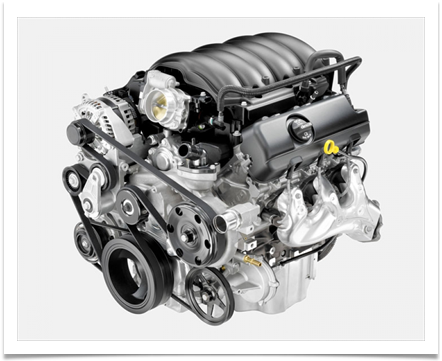
There’s a specific kind of frustration that comes with a tired V6 in a Pajero, Montero, Galant, or 3000GT – the rest of the car is fine, but the engine bay is telling a different story. If that’s where you’re at and you’ve started searching for a Mitsubishi 6G74 Engine for sale, here’s everything we tell customers before they buy, laid out in one place instead of scattered across forum threads from a decade ago.
We keep tested 6G74 engines in stock, in used and rebuilt condition, and we ship them out to buyers well beyond just our local area. This guide covers the specs, the fitment list, what tends to go wrong, and how to buy with confidence, whether you’re replacing a worn-out original or sourcing a core engine for a completely different project.
One quick note before we get into specs: this engine has been sold under a few different family names across the years and markets, sometimes just described as “the 3.5 V6” in older service documents. If you’re not 100% sure which engine code your vehicle uses, checking your owner’s manual or VIN decode first will save you a phone call later.
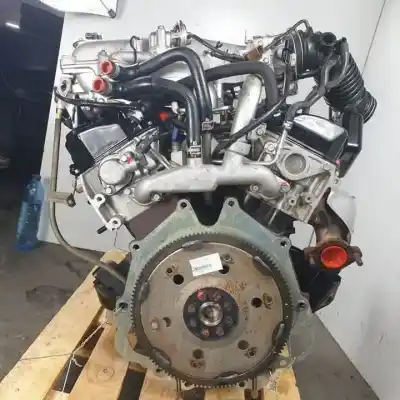
What Is the Mitsubishi 6G74?
The 6G74 is a 3.5-liter SOHC V6 from Mitsubishi’s G6 engine family, built with 24 valves and, depending on application, either naturally aspirated or twin-turbocharged induction. Mitsubishi used it across a wide range of vehicles through the 1990s and 2000s, and it earned a reputation as one of the smoother, more dependable V6 options in the brand’s lineup during that era.
It’s not a high-revving performance engine in its standard form – it’s built for a broad torque curve and everyday drivability, which is exactly why it ended up in family sedans and body-on-frame SUVs alike. The turbocharged version, most famously in the 3000GT VR-4, is a different animal and one of the more sought-after variants for enthusiasts specifically hunting down a Mitsubishi 6G74 Engine for sale to build rather than just to replace a worn-out original.
Mitsubishi 6G74 Specifications
| Engine type | 3.5L V6, SOHC, 24-valve |
| Displacement | 3,497 cc (3.5 liters) |
| Bore x Stroke | Approximately 93 mm x 86 mm |
| Compression ratio | Approximately 9.8:1 to 10.0:1 (naturally aspirated) |
| Fuel system | Multi-point fuel injection |
| Power output | Roughly 200–215 hp naturally aspirated; 320+ hp on the twin-turbo VR-4 variant |
| Torque | Roughly 220–240 lb-ft naturally aspirated; considerably more on the turbo version |
| Aspiration | Naturally aspirated (most applications) or twin-turbocharged (3000GT VR-4) |
| Fuel type | Gasoline |
The gap between the naturally aspirated and turbo numbers is large enough that it’s worth being very clear with any seller about which version you’re buying. A standard 6G74 out of a Montero and a twin-turbo unit out of a VR-4 share a family name and a lot of architecture, but they are not the same purchase, and the price difference reflects that.
Vehicles That Use the 6G74
This engine turns up in more places than most people expect. On the Mitsubishi side, it powered the Montero and Pajero, the Galant, the Diamante, and the 3000GT, including the turbocharged VR-4 performance trim. Because Mitsubishi supplied engines to other manufacturers during this period, you’ll also find 6G74 variants under the hood of certain Chrysler and Dodge models from the same era, including versions of the Chrysler Sebring, Dodge Stratus, and Dodge Avenger. Hyundai used a related version of this engine family in some of their larger sedans sold outside North America as well.
If you’re not sure whether your specific trim used the naturally aspirated or turbo version, check your VIN or give us the model year and trim level and we’ll confirm before you order, since fitment and pricing depend heavily on getting this right.
Why This Engine Has Held Up Well Over Time
The 6G74’s biggest strength is that Mitsubishi engineered it with a balance shaft setup that keeps vibration low for a V6 of this size, which is part of why it feels smoother than you’d expect from something built in the 1990s. The bottom end is solid when it’s been maintained, and because it was used across so many models and even shared with other manufacturers, parts availability – especially for common wear items – is better than you’d expect for an engine this old.
That said, it’s not without its known weak points, and being upfront about them is part of buying smart.
Owners who’ve kept a Pajero or Montero running well past 200,000 miles almost always point to the same habits: oil changes that actually happened on time, a cooling system that got flushed instead of ignored, and small noises that got investigated instead of turned up over on the radio. It’s not a special secret – it’s just consistency, and it’s the same advice we give with every engine we sell, not just this one.
Common Mitsubishi 6G74 Problems
Overheating shows up more often on older 6G74s than owners expect, usually traced back to a tired radiator, a failing thermostat, or a water pump nearing the end of its service life rather than anything wrong with the engine’s core design. Keeping the cooling system in good shape goes a long way toward avoiding bigger problems down the line.
Timing chain wear is another item to watch. It’s built to last, but if maintenance gets skipped for years at a time, the chain can stretch, leading to a rough idle, reduced performance, or a check engine light. Catching this early with routine inspection is far cheaper than catching it late.
Oil consumption tends to creep up on higher-mileage units, which is common across a lot of engines from this era once seals and rings have logged enough miles. Regular oil level checks between changes catch this before it becomes a bigger issue, and a compression test will tell you quickly whether you’re dealing with normal wear or something more serious.
Signs You Need a Replacement Engine
A persistent knock under load, especially one that gets worse as the engine warms up, usually means bearing wear that’s past the point of an easy fix. Blue exhaust smoke on acceleration points to oil getting into the combustion chambers past worn rings or valve seals. Coolant that keeps disappearing without a visible external leak often means a head gasket or, in worse cases, a cracked head. If you’re chasing more than one of these at the same time, it’s usually more cost-effective to look at a tested Mitsubishi 6G74 Engine for sale than to keep repairing the original piece by piece.
Used vs. Rebuilt 6G74 Engines
We stock both. A used 6G74, pulled from a running donor vehicle and inspected, is the more affordable path and suits most daily-driver repairs well. A rebuilt 6G74 – torn down, machined as needed, and rebuilt with new gaskets, seals, and wear parts – costs more but gives you a longer runway before you’re back here again, which makes sense if you’re keeping the vehicle for years or building a performance project around the turbo variant.
If you’re specifically after the twin-turbo VR-4 version for a build, talk to us directly about what’s currently available, since turbo units move faster than naturally aspirated ones and stock changes regularly.
How We Test Every 6G74 Before Listing It
Every Mitsubishi 6G74 Engine for sale in our inventory is compression tested across all six cylinders, checked for coolant leaks under pressure, and inspected for metal contamination in the oil. On turbo units, we also check for shaft play and boost leaks before listing. If something doesn’t check out clean, it doesn’t get sold as a running engine – we either rebuild it properly first or part it out.
We photograph the actual engine you’ll receive rather than reusing old stock photos, because you should know exactly what’s showing up at your door.
How to Confirm You’re Buying a Genuine 6G74
The engine code is stamped on the block, and any legitimate seller should be able to show you a clear photo of that stamp along with information about the donor vehicle. Because Mitsubishi shared this engine platform with other automakers, it’s worth double-checking that what’s being sold as a 6G74 is genuinely from a Mitsubishi or a confirmed compatible application, not a related but different displacement engine from the same family being mislabeled. We include stamp photos and donor vehicle details on every listing so you’re never buying blind.
A Popular Choice for Jeep and Off-Road Swaps
One thing that surprises people who only know the 6G74 from Mitsubishi and Chrysler applications is how popular it’s become in the off-road swap community. Jeep Cherokee and Wrangler owners have been dropping Mitsubishi 6G V6 engines into their rigs for years, drawn by the smoothness, the reasonable weight compared to a V8, and the torque curve that suits low-range crawling and trail driving. If that’s the project you’re working on, a Mitsubishi 6G74 Engine for sale from us can be a great starting point, though you should plan for custom mounts, a wiring solution, and either an adapted factory ECU or standalone engine management, since none of this is a factory-supported combination.
We’ve talked more than a few builders through sourcing the right core engine for exactly this kind of project, so if you’re planning something similar, tell us about your rig and we’ll help you figure out whether a naturally aspirated or turbo unit makes more sense for your build goals.
How to Confirm Parts Compatibility Before You Buy
Because the 6G74 was shared across Mitsubishi, Chrysler, Dodge, and in some markets Hyundai vehicles, accessory brackets, intake manifolds, and even engine mounts can differ between applications even though the core long block is the same. If you’re doing a direct replacement rather than a swap, always confirm which vehicle your replacement engine came out of, not just that it’s “a 6G74.” We list donor vehicle information on every engine specifically so you can check this before you order rather than finding out after it arrives that your intake manifold doesn’t bolt up.
Repair or Replace: Running the Numbers
A single failed part – a water pump, a sensor, an ignition coil – is worth fixing outright. But once you’re looking at a timing chain job combined with a head gasket, or a bottom-end knock, labor on a V6 in a tight engine bay adds up fast, often 10 to 20 hours at shop rates before parts are even counted. Get a real labor quote, then compare that total against a tested replacement engine installed on a similar timeline. For most higher-mileage 6G74s with multiple issues stacking up, the tested replacement route ends up being both faster and cheaper.
What Happens to Your Old Engine
We don’t require a core return, so your old block is yours to do with as you see fit – scrap it, part it out, or trade it to your mechanic toward labor costs. If you want a rough idea of what individual components off a 6G74 tend to be worth before deciding, just ask us; we handle enough of these to give you a realistic number rather than a guess.
Shipping Worldwide
We crate and ship the 6G74 domestically and internationally. Domestic orders typically move within a few business days of cleared payment, and international orders – which make up a meaningful share of our 6G74 sales given how widely Mitsubishi vehicles were sold outside North America – go out through freight forwarders with tracking. If you’re importing into a country with specific rules on engine swaps or emissions compliance, check with your local authority before ordering, and we’re happy to help with export paperwork on our end.
Common Questions About the 6G74
Is the naturally aspirated 6G74 interference or non-interference? It’s generally considered an interference design, which is part of why timing chain condition matters – ignoring chain noise can lead to expensive valve damage if it skips time.
Can I swap a turbo 6G74 into a naturally aspirated car? People do this for performance builds, but it’s not a bolt-in job – you’re looking at ECU, wiring, fuel system, and cooling changes at minimum. Talk to us about what you’re planning and we can point you toward the right core engine for a build like that.
Will a used 6G74 come with the wiring harness and accessories? It depends on the listing. Some come as complete engines, others as long blocks. Tell us what you need before ordering and we’ll confirm exactly what’s included.
How many miles can I expect from a 6G74? With regular maintenance, especially attention to the cooling system and timing chain, 200,000 miles or more isn’t unusual, which is a big reason this engine still has a loyal following on the used market.
What’s the real difference between the 6G74 and the smaller 6G72? The 6G72 is the 3.0-liter version in the same family, sharing a lot of the same architecture but with less displacement and generally lower output. If your vehicle originally came with a 6G72, a 6G74 swap is possible in some cases but isn’t always a straight bolt-in, so confirm compatibility with us first.
Do you sell just the turbochargers separately for the VR-4 version? Sometimes, depending on current stock and condition. If you only need turbo hardware and not a full engine, ask us directly and we’ll tell you what’s available.
Buying From Outside the United States
Because Mitsubishi vehicles built around the 6G74 were sold heavily outside North America – the Pajero especially has a massive following across the Middle East, Africa, Australia, and Southeast Asia – a large share of our orders for this engine ship internationally. We handle export documentation and can give you a general idea of what to expect for customs and import duties, though final numbers depend on your country’s specific regulations, so check with your local customs broker before ordering. Every export order is crated to handle ocean or air freight securely, and tracking information goes out the moment your engine leaves our warehouse.
There’s also a sustainability angle worth mentioning: buying a tested used or rebuilt engine keeps a functional block out of the scrap stream and avoids the resource cost of manufacturing a new one, which matters whether you’re in Lagos, Dubai, Sydney, or anywhere in between.
Maintenance That Extends the Life of This Engine
Keep oil changes on a real schedule, ideally every 5,000 miles or sooner if you’re doing a lot of stop-and-go driving or towing with a Montero or Pajero. Flush and inspect the cooling system regularly given how often overheating shows up as the first sign of trouble on this engine. Pay attention to any new noise from the timing chain area and address it early rather than waiting for it to get worse. None of this is difficult or expensive maintenance, it just needs to actually happen on schedule.
Ordering and Payment
Buying from us is meant to be simple. Order directly through the product page, or contact us first with your VIN or trim details if you want fitment confirmed before you spend anything. We accept standard card payments along with bank transfer for larger commercial orders, and once payment clears we get your engine prepped and crated right away. You’ll receive tracking information as soon as it ships, and our team stays available if you have questions along the way.
For shops and builders who order more than once, we can also set up standing account terms so getting your next Mitsubishi 6G74 Engine for sale doesn’t mean starting from scratch each time.
Ordering Your Mitsubishi 6G74 Engine for Sale
When you’re ready, check out our current Mitsubishi 6G74 Engine for sale listing for pricing, condition, and photos of what’s actually in stock. If you’re unsure whether your vehicle takes the naturally aspirated or turbo version, reach out with your VIN or trim level first and we’ll confirm before you order.
For more background on how the 6G74 fits into Mitsubishi’s broader V6 lineup, the Mitsubishi 6G7 engine family overview on Wikipedia is worth a look.
More Engines Currently in Stock
While you’re browsing, take a look at our other tested inventory: a Toyota 3GR-FE engine for sale for Crown and Mark X owners, a Cummins ISB engine for sale for truck and industrial buyers, a Nissan VR38DETT engine for sale for GT-R builds, and a Howo WD618 engine for sale for heavy truck applications. Reach out if you’d rather just tell us what you’re working on.