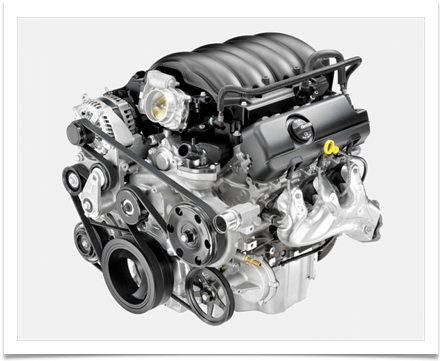
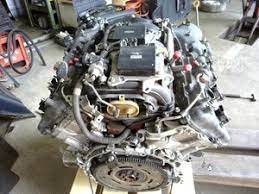
We have the Chrysler 440 Magnum V8 7.2L engine for sale, fairly used, tested in our shop and ready to ship anywhere in the world. Dodge called it the Magnum, Plymouth called it the Super Commando, and Chrysler called it the TNT. Same big block, same huge torque. It powered the Charger R/T, Challenger R/T, GTX, Road Runner, Super Bee and a long list of big Chryslers and motorhomes.
Prices start at $4,200 for a long block and go up to $8,900 for a complete engine with the 4 barrel intake, carb, distributor and accessories. Date coded engines for numbers matching cars are priced on request. Tell us what you drive and we’ll quote the right Chrysler 440 Magnum V8 7.2L with shipping included.
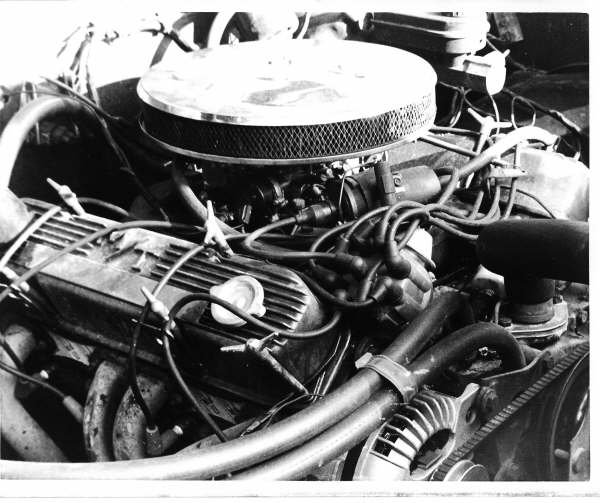
Table of Contents
What You Get With the Chrysler 440 Magnum V8 7.2L
Each engine is a real RB big block pulled from a car or motorhome. We turn it over by hand, compression test all eight cylinders and look inside with a borescope. Before you pay, you get the numbers, photos and a short video.
The long block is the block, crank, rods, pistons, cam, heads and valvetrain, with the timing cover and oil pan on. The complete engine adds the intake, carb, distributor, water pump, exhaust manifolds and any accessories that came with it.
Chrysler 440 Magnum V8 7.2L Specifications
The 440 is the biggest of Chrysler’s RB wedge engines. It’s a raised deck version of the B block, with a long stroke that makes torque from just off idle.
| Engine | Chrysler 440 Magnum V8 7.2L (440 Super Commando, 440 TNT) |
| Displacement | 440 cu in (7,206 cc) |
| Years built | 1966 to 1978 |
| Family | Chrysler RB raised block wedge |
| Layout | 90 degree V8, overhead valve, 2 valves per cylinder |
| Bore x stroke | 4.32 in x 3.75 in |
| Block and heads | Cast iron |
| Fuel system | Carter AVS 4 barrel, Thermo-Quad on later engines |
| Compression | 10.1:1 from 1967 to 1970, lower from 1971 |
| Power | 375 hp gross at 4,600 rpm, about 280 hp net from 1972 |
| Torque | 480 lb-ft at 3,200 rpm |
| Cam | Hydraulic flat tappet |
| Firing order | 1-8-4-3-6-5-7-2 |
| Dry weight | About 650 lb |
Cars That Used the 440 Magnum
Here are the models we get asked about most. If yours is on the list, the engine fits:
- Dodge Charger R/T 1968 to 1971 and Charger Daytona 1969
- Dodge Coronet R/T 1967 to 1970 and Super Bee 1969 to 1971
- Dodge Challenger R/T 1970 to 1971
- Dodge Polara and Monaco, including police pursuit cars
- Plymouth GTX 1967 to 1971 and Road Runner GTX 1972 to 1974
- Plymouth ‘Cuda 1970 to 1971 and Superbird 1970
- Plymouth Fury, Sport Fury GT and police Fury
- Chrysler 300, New Yorker, Imperial and Town and Country
- Motorhomes built on the Dodge M series chassis
It also goes straight into anything that had a 383 or 400 B block with the right mounts, which is why so many people use a Chrysler 440 Magnum V8 7.2L as an upgrade.
440 Magnum, Super Commando or Six Pack?
The Magnum and Super Commando are the same 4 barrel 440. The name just depends on whether the car was a Dodge or a Plymouth. The Six Pack, called the Six Barrel at Plymouth, used three 2 barrel carbs and had stronger valvetrain parts.
We sell the Six Pack as its own listing. The engine on this page is the 4 barrel Chrysler 440 Magnum V8 7.2L, and we tell you clearly if a block came from a high performance car or from a big sedan or motorhome.
How We Check Every Chrysler 440 Magnum V8 7.2L
- Compression test on every cylinder, with the numbers sent to you
- Borescope look at the bores, piston tops and valves
- Oil drained and checked for metal, coolant or fuel
- Engine turned by hand to feel for tight spots
- Block and heads checked for cracks, especially around the water jackets
- Casting numbers and date codes photographed
If we find a problem, you hear it from us before you pay.
Common 440 Problems Worth Knowing
The 440 is a strong engine, but it’s heavy and it makes heat. The things we watch for are worn timing chains, worn valve guides, oil leaks from the rear main and intake, and signs of overheating. Motorhome engines often have lots of hours at low rpm, which is easy on the bottom end but hard on valve seats.
Early high compression engines can ping on modern fuel. That’s normally fixed by backing off the timing or changing head gaskets. If you’re building a cruiser, tell us and we’ll help you pick the right block.
Long Block or Complete Engine?
If your car has its original intake, carb and exhaust manifolds, a long block is the cheaper way in. You swap your parts across.
If you’re starting from an empty engine bay, a complete Chrysler 440 Magnum V8 7.2L saves a lot of time and gets the car on the road sooner.
Chrysler 440 Magnum V8 7.2L Price Range
- Long block: from $4,200
- Complete engine with intake, 4 barrel carb and accessories: up to $8,900
- Date coded engines for numbers matching restorations: priced on request
Prices follow what we have in stock. Your quote includes shipping, so you know the full cost up front.
Worldwide Shipping and Payment
We ship the Chrysler 440 Magnum V8 7.2L to the USA, Canada, Mexico, Europe, the UK, Australia, New Zealand, the Middle East, Africa, Asia, Latin America and the Caribbean. Engines are drained, bagged, strapped and crated on a pallet, and insured for the full value. Sea freight is cheaper. Air freight is faster.
Payment is by bank transfer. You get an invoice and an order confirmation by email, then tracking when it ships. Our shipping policy explains the rest.
Fitting Tips
B and RB engines share motor mounts and the big block bellhousing pattern, so a 440 drops in where a 383 or 400 was. The 440 is taller and wider than a small block, so if your car had a 318 or 340 you’ll need big block mounts, a big block radiator and the right exhaust manifolds.
Balance changed over the years, so match the flexplate or flywheel and the balancer to the engine. We tell you what yours needs. Prime the oil system before the first start and check the cooling system is in good shape.
Rebuilding or Upgrading
A stock rebuild is simple and parts are cheap and easy to find. For more power, the Chrysler 440 Magnum V8 7.2L takes aluminum heads, a bigger cam and a better intake really well. Stroker kits to 500 or 528 cubic inches are popular, and 550 hp on pump gas is realistic.
For a motorhome or tow vehicle, keep the cam mild and focus on cooling. That’s where these engines live a long life.
Who Buys This Engine From Us
Owners restoring Chargers, Challengers, GTXs and Road Runners, people building big block street cars, and motorhome owners who need a reliable replacement. Shops and dealers buy from us too. Every Chrysler 440 Magnum V8 7.2L leaves with photos, casting numbers and a plain description.
A Short History of the 440
Chrysler first put the 440 in its big cars in 1966. It was a smooth, torquey engine for heavy sedans and wagons. A year later Dodge and Plymouth put a hotter 4 barrel version in the Coronet R/T and the GTX, and the Chrysler 440 Magnum V8 7.2L became a muscle car engine.
For the next few years it was everywhere: Chargers, Super Bees, Road Runners, Challengers and ‘Cudas. When emissions rules came in, compression went down and power dropped, but the 440 kept going in big cars, police cars and trucks until 1978.
Motorhome builders loved it too. Dodge sold the M series chassis with the 440 for years, which is why a lot of good 440 blocks still turn up in old motorhomes today.
Chrysler 440 Magnum V8 7.2L vs 383
The 383 is a B block with a lower deck and a shorter stroke. It revs a bit more freely and it’s a great engine, especially in a Road Runner or Super Bee. The 440 is an RB block with a taller deck and a longer stroke, and it makes noticeably more torque everywhere.
On the outside they look almost the same and use the same mounts, but the 440 is wider at the intake. B and RB intakes and headers don’t swap, so keep that in mind if you’re moving parts across.
If you want the most street power for the money from an old Mopar, the Chrysler 440 Magnum V8 7.2L is hard to beat. A Hemi costs many times more.
Buying Checklist Before You Order
- Know your car’s year, model and VIN, plus the engine code if you have it
- Decide if you need a date correct engine or a good running 440
- Check what intake, carb and exhaust manifolds you already have
- If it’s going into a motorhome, tell us so we can pick a block suited to that work
- Ask for compression numbers and photos, which we send before you pay
With that information we can match a Chrysler 440 Magnum V8 7.2L to your car the first time.
Break In and the First 500 Miles
Most of what goes wrong with a fresh engine swap happens in the first hour, so this part matters. Fill the engine with a break in oil that has plenty of zinc. Old style flat tappet cams need it, and most modern oils don’t have enough.
Prime the oil system with a priming tool before you crank it, until you see oil at every rocker. Set the timing close before the first start so it fires right away. Once it runs, hold it between 2,000 and 2,500 rpm for about 20 minutes, changing the speed a little. Don’t let it idle during that time. That’s how the cam and lifters wear in together.
After that, change the oil and filter, check for leaks and retorque anything that needs it. Drive it normally for the first 500 miles, vary the speed, and avoid full throttle runs. Then change the oil again and go enjoy the Chrysler 440 Magnum V8 7.2L.
Car 440 or Motorhome 440?
A lot of 440 blocks come out of old motorhomes, and people often ask if they’re worth having. The answer is usually yes. The block, crank and rods are the same parts used in the cars. What changes is the cam, the compression and sometimes the heads, which were set up for low end pulling rather than speed.
For a cruiser or a tow vehicle, a motorhome 440 is a great base. For a muscle car you’d usually want the car heads and cam, or plan to upgrade them. We tell you up front where every Chrysler 440 Magnum V8 7.2L came from, so you can decide with all the facts.
Motorhome engines also tend to have low miles but lots of hours, and some have sat for years. That’s why we compression test and borescope every one before it’s sold.
Keeping Your Chrysler 440 Magnum V8 7.2L Healthy
- Use oil with zinc for flat tappet cams and change it every 3,000 miles or once a year
- Keep the cooling system in top shape. A big block makes heat and needs a good radiator and shroud
- Check timing every season, especially on high compression engines
- Keep the carb clean and the choke working so it starts easily cold
- If it’s a motorhome or tow engine, check the transmission cooler and fluid too
Treat it like that and a Chrysler 440 Magnum V8 7.2L will go a very long way. These engines have a reputation for being nearly unkillable, and most of them earned it.
What It’s Like to Drive
The 440 is all about torque. It pulls hard from just above idle, so you rarely need to rev it. In a Charger or a GTX, a light push on the pedal moves the car with almost no effort, and a heavy push pins you to the seat. That easy, lazy power is exactly why so many people still choose a Chrysler 440 Magnum V8 7.2L over anything else.
Why Buy From NJ Global Auto Parts
We sell used engines every day, and old American V8s are a big part of what we do. We know what these engines look like when they’re healthy and what to watch for when they’re not. Every Chrysler 440 Magnum V8 7.2L we list has been looked at by someone who has rebuilt these engines, not just pulled out of a car and put on a shelf.
You talk to real people, by phone, email or WhatsApp. Ask us anything before you buy, whether it’s about casting numbers, mounts, carbs or shipping to your country. If we don’t know the answer, we’ll find out and tell you honestly.
We also stand behind what we sell. If the Chrysler 440 Magnum V8 7.2L doesn’t arrive the way we described it, we’ll make it right. Our warranty guide explains how that works, and you’ll get everything in writing with your invoice. Most of our customers come back for their next engine, and many send their friends with a Charger, Challenger, GTX or motorhome to us too.
One more thing. We don’t rush you. Take your time, look at the photos and numbers, and ask your mechanic. We’d rather you buy the right engine once than the wrong one fast.
Other Names for This Engine
Buyers search for this engine in a lot of different ways, so here are the names you’ll see it under: 440, 440 Magnum, Dodge 440, Plymouth 440 Super Commando, Chrysler 440 TNT, Mopar 440 big block and 440 RB. They all point to the same engine on this page, the Chrysler 440 Magnum V8 7.2L.
Related Engines
Comparing big blocks? Have a look at these:
- Chrysler 440 Six Pack V8 7.2L
- Chrysler 340 LA V8 5.6L
- Chrysler 318 LA V8 5.2L
- Hellcat engine
- Ford 429 Cobra Jet V8 7.0L
- Chevrolet 454 Big Block V8 7.4L
You can also read our Chrysler Hemi buying guide, the used Dodge engines page, our used engine warranty guide and the tested used engines guide, or browse all Chrysler and Dodge engines. The engine family history is in the Chrysler B engine article, and the Dodge Challenger article covers one of its best known cars.
Frequently Asked Questions
Is the 440 Magnum 7.2L?
Yes. 440 cubic inches is 7,206 cc, so it’s listed as the Chrysler 440 Magnum V8 7.2L.
Will it replace my 383?
Yes. Same mounts and bellhousing. The 440 is a little taller, so check hood and air cleaner clearance.
Is a motorhome 440 any good in a car?
Often yes. The block, crank and rods are the same. The cam and compression are milder, which we tell you about up front.
Do you ship outside the USA?
Yes, by sea or air freight to most countries, fully insured.
How do I pay?
By bank transfer, with an invoice and order confirmation by email. Call +1 (209) 733-0882 with any questions.
Order Your Chrysler 440 Magnum V8 7.2L
Send us your car’s year, model and VIN, and your country. We’ll match a Chrysler 440 Magnum V8 7.2L to it and send a price with shipping, usually the same day. You can learn more about us on our about page.

Reviews
There are no reviews yet.