The first cold morning always catches someone out. The car slides at a junction it has crossed a thousand times, or it will not climb the hill out of the estate. Most of the time the car is fine. The tires are the problem. Summer and all season rubber goes hard in the cold and stops gripping. That is why people go looking for winter tires for sale, usually a week later than they should have.
We are NJ Global Auto Parts. We are best known for supplying replacement engines, and we also sell winter tires for sale for cars, SUVs, vans and light trucks, new and good used, shipped worldwide. This guide covers what makes a winter tire different, how to pick the right size and type, the specs that matter, and what to check before you buy.
Already know your size? Go straight to our winter tires product page and ask for a price.
Winter Tires for Sale: Why They Are Different
A lot of drivers think winter tires are just tires with deeper tread. That is part of it, but the real difference is the rubber.
Normal tires use a compound that works best in warm weather. Once the air drops below about 7°C, which is around 45°F, that rubber starts to stiffen. A stiff tire cannot mould itself into the tiny bumps in the road surface, so grip falls away. It gets worse on wet, slushy or icy roads.
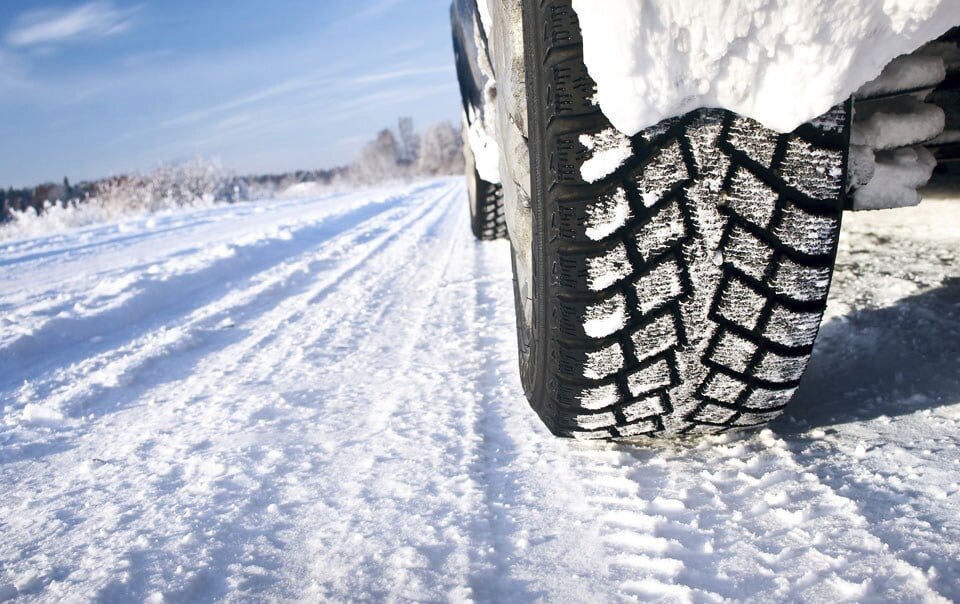
Winter tires use a softer compound, often with more natural rubber and silica, that stays flexible in the cold. Then the tread does the rest:
- Deep, open grooves that pack with snow. Snow grips snow better than rubber grips snow
- Thousands of sipes, the thin cuts across the blocks, that give extra biting edges on ice
- Directional or V shaped patterns that push slush and water out quickly
- Studs on some types, small metal pins for hard ice
Put together, good winter tires for sale can stop a car in a far shorter distance on snow and ice than summer tires can. That is not a small detail. It is the difference between stopping before the car in front and not. The snow tire page gives more background on how the design developed.
How Winter Tires Behave on Different Surfaces
Winter is not one road condition. It is several, sometimes on the same drive. Here is how a good set of winter tires for sale handles each one compared with summer tires.
Fresh Snow
This is where winter tires for sale shine. The open grooves fill with snow and bite into the snow on the road. Summer tires clog up and turn into smooth rubber rings. The difference in getting moving and climbing hills is huge.
Packed Snow
Packed snow is slippery and hard. The sipes and soft rubber do most of the work here, giving many small edges to grip. Studless tires do well. Studs do even better.
Ice
Ice is the hardest surface for any tire, especially wet ice near freezing point. Premium studless tires with ice compounds help a lot, and studded tires are best. Even so, slow down. Nothing grips ice the way rubber grips dry tar.
Slush
Slush causes aquaplaning in the same way water does. Directional winter patterns clear it faster. Worn winter tires are poor in slush, which is another reason to replace them at around 4 mm.
Cold, Dry and Wet Roads
Even with no snow at all, winter rubber stays soft below about 7°C and grips better than a summer tire that has gone hard. That is why people in cold but dry places still buy winter tires for sale.
Types of Winter Tires for Sale
There are three main types, and the right one depends on where and how you drive.
Studless Winter Tires
The most common type. They rely on soft rubber and heavy siping for grip on snow and ice. Quiet on dry roads, legal almost everywhere, and the best all round choice for most drivers. Most of the winter tires for sale we ship are studless.
Studded Winter Tires
These have small carbide tipped metal studs set into the tread. On hard packed ice they are the best you can get. On dry roads they are noisy and can damage the surface, so many countries and regions restrict when and where you can use them. Check your local rules before buying.
Studdable Winter Tires
These come with moulded holes so a tire shop can add studs if you want them. A good option if you are not sure yet, or if your rules allow studs only in some months.
What About All Weather Tires?
All weather tires carry the snowflake symbol and can stay on all year. They are a compromise. Better than all season tires in the cold, not as good as true winter tires for sale on ice and deep snow. For mild winters with the odd cold snap, they can be enough.
Markings to Look For: 3PMSF vs M+S
This catches many buyers out. Two symbols show up on tires, and they do not mean the same thing.
| Marking | What It Means | Real Winter Use |
|---|---|---|
| M+S (Mud and Snow) | Tread pattern meets a basic geometry rule. No snow test required | Limited. Many all season tires carry it |
| 3PMSF (Three Peak Mountain Snowflake) | Tire passed a standard snow traction test against a reference tire | Yes. This is the one to look for |
| Ice grip symbol | Passed an additional ice braking test (mainly for some European markets) | Best for icy regions |
When we sell winter tires for sale, we tell you exactly which markings each tire carries. If a seller only talks about M+S, ask about the snowflake.
Winter Tire Specifications That Matter
Here are the specs we check and send with every set of winter tires for sale.
| Spec | What to Know |
|---|---|
| Size | Width, profile and rim must suit your car. Example: 205/55R16 |
| Load index | Must meet or beat the vehicle requirement. Example: 91 means 615 kg per tire |
| Speed rating | Winter tires often use T, H or V. Some countries allow a lower winter speed rating with a sticker on the dash |
| New tread depth | Usually around 9 to 11 mm, deeper than most summer tires |
| Minimum useful depth | Many experts suggest replacing winter tires at about 4 mm, well before the legal minimum |
| Date code | Four digit DOT code, week and year. Softer winter rubber ages, so fresher is better |
| Markings | 3PMSF at minimum. Ice symbol for icy regions |
| Construction | Passenger, SUV or LT (light truck) for vans and pickups |
That 4 mm point matters. A summer tire can still work fairly well when it is half worn. A winter tire loses a lot of its snow grip as the grooves get shallow, because they can no longer pack with snow. So when you compare used winter tires for sale, tread depth is the first number to ask for.
Popular Sizes of Winter Tires for Sale
We source winter tires in most sizes. These are the ones we get asked for most:
| Size | Typical Vehicles |
|---|---|
| 185/65R15 | Small hatchbacks and city cars |
| 195/65R15 | Corolla, Golf, Focus, Civic and similar |
| 205/55R16 | Compact cars and small family cars |
| 215/60R16 | Camry, Accord, Passat and mid size sedans |
| 225/45R17 | Sportier compact and mid size cars |
| 215/65R16 | Small SUVs and crossovers |
| 225/65R17 | RAV4, CR-V, X-Trail, CX-5 |
| 235/65R17 | Larger crossovers and mid size SUVs |
| 265/65R17 | Prado, Hilux, Fortuner, Pajero |
| LT265/70R17 | Pickups and heavy SUVs |
| 215/65R16C | Vans like the Transit, Sprinter, Hiace |
Not on the list? Ask. We can find winter tires for sale in sizes far outside this table, including run flat fitments.
Winter Tires for Sale: 7 Proven Checks Before You Buy
1. Confirm the Size and Load Rating
Read the size off your current tire or the door sticker before you look at any winter tires for sale. Load index must match or beat the original. Some people fit winter tires one inch smaller in rim size on narrower rims. That can work well, but the overall diameter has to stay close to original.
2. Look for the Snowflake
3PMSF should be on the sidewall of any winter tires for sale you consider. M+S alone is not enough for real winter roads.
3. Check the Date Code
Winter rubber hardens as it ages, even with good tread. A six or seven year old winter tire may look fine but grip like a summer tire. We tell you the date on every set of winter tires for sale before you pay.
4. Measure the Tread on Used Tires
For used sets, ask for the measured depth of each tire. Below about 5 mm, the winter performance drops off noticeably.
5. Buy Four, Not Two
Buying only two winter tires for sale and fitting them on the driven wheels is a classic mistake. On a front wheel drive car, winter tires on the front and summer tires on the rear can make the back end slide out in a turn. Always fit four.
6. Think About Wheels
A second set of wheels for your winter tires makes the seasonal swap quick and cheap, and saves the tire beads from being mounted and removed twice a year. Steel wheels are cheap and handle salt well.
7. Check Local Rules
Some countries require winter tires by date or by conditions, some limit studs, and some set a minimum winter tread depth. Rules change, so check your local authority before the season.
When Should You Fit Winter Tires?
The simple rule many drivers use: fit them when daytime temperatures stay below about 7°C, and take them off when spring temperatures stay above that. You do not need to wait for snow. Cold, dry and wet roads are where winter tires already start beating summer rubber.
Do not leave winter tires on all summer. The soft rubber wears much faster on warm roads, the handling feels vague, and braking on hot dry tar is worse than with summer tires. Swap back and you will get several seasons from one set of winter tires for sale.
How to Store Winter Tires Off Season
- Clean them and let them dry fully
- Store them in a cool, dark, dry place, away from motors and heaters that make ozone
- Use tire bags to keep light and air off them
- Stack them flat if on rims, or stand them upright if not, and turn them now and then
- Mark which corner each came from so you can rotate them next season
Stored well, a good set of winter tires for sale lasts several winters. Stored badly, in a hot shed next to the window, it can harden in a couple of years.
New vs Used Winter Tires for Sale
We sell both new and used winter tires for sale. Here is how to decide.
New winter tires give you full tread, fresh rubber and the best possible grip. If you drive a lot in snow and ice, carry family, or live somewhere winters are long, new is worth it.
Used winter tires can be very good value if:
- Tread is 6 mm or more
- Date code is recent
- No repairs in the shoulder, no bulges or cracks
- You get four from the same set
Many people buy a good used set for a second car or a mild winter area. Read our used car tires for sale guide for more on judging used tires, and our new tires for sale guide for the new side.
Winter Tires for SUVs, 4x4s and Pickups
Four wheel drive helps you get moving. It does not help you stop or turn. A heavy 4×4 on summer or all-terrain tires can feel confident pulling away on snow, then slide straight on at the first bend. That is why plenty of 4×4 owners still buy winter tires for sale for the cold months.
For pickups and heavy SUVs, look at LT winter tires with the right load range for towing and payload. Many modern all-terrain tires do carry the snowflake and work in light snow. If your winters are mild, they may be enough. For real ice and deep snow, a dedicated winter tire still wins. Our all-terrain 4×4 tires for sale guide explains that side in detail, and we also sell 4×4 tires and truck tires.
Winter Tires for Vans and Delivery Fleets
Vans work hardest in winter, when parcels pile up and roads are at their worst. A loaded van on summer tires is one of the worst things on a snowy road. For vans, look for winter tires with the C marking after the size, such as 215/65R16C, and a load index that matches the plate on the door pillar. These have stronger construction for heavy loads and higher pressures.
Fleet managers often buy winter tires for sale for the whole fleet in one order before the season, mounted on spare steel wheels so the swap is quick. We can pack and label sets by vehicle so your workshop knows exactly which four go where.
Cold Weather Is Hard on Engines Too
Since engines are our main business, we would be wrong not to mention this. Cold starts put the most wear on an engine. Thick oil takes longer to reach the bearings, batteries struggle, and diesels with weak glow plugs or tired injectors can refuse to start at all.
Before winter:
- Use the correct oil grade for your climate
- Check the battery and charging system
- Test glow plugs on diesels
- Check coolant strength so it will not freeze
- Fix oil leaks and noises now, not in a snowstorm
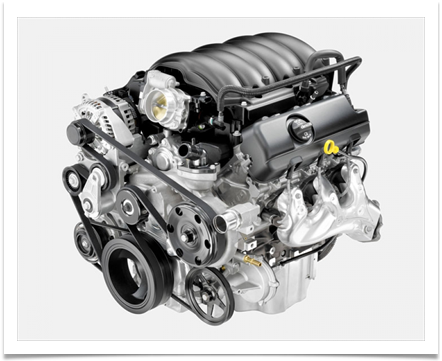
If your engine is smoking, knocking or burning oil, winter is when it will let you down. We supply replacement engines for most cars, SUVs and vans, including the Toyota 2AZ-FE, 2AR, 2GR-FE, Hyundai G4KE, Mercedes M271, BMW M54 and Toyota 1KD diesel. You can ship winter tires and an engine together to save on freight.
Driving Tips for Your New Winter Tires
- Give new winter tires a few hundred kilometres of gentle driving to scrub in
- Check pressure often. Cold air lowers tire pressure, roughly a little for every few degrees drop
- Leave much more space to the car in front, even with good tires
- Brake, steer and accelerate smoothly. Winter tires help, but they do not change physics
- Clear snow off the whole car, including the roof and lights
For broader tire safety advice, the U.S. Tire Manufacturers Association publishes simple guides on pressure, tread and care.
Winter Tires for Sale Around the World
We ship to buyers in many climates, and winter means different things in each.
- Northern Europe and Scandinavia: long, icy winters. Nordic style studless or studded tires with ice ratings are common.
- Central Europe: wet, slushy winters with some snow. Central European style winter tires focus on wet and slush grip as well as snow.
- North America: everything from lake effect snow to ice storms. Studless tires with the snowflake are the most popular, with studs in some northern areas.
- Northern Asia and Central Asia: very cold, dry winters with packed snow and ice. Ice focused compounds work well.
- Mountain regions everywhere: from the Andes to high plateaus, roads can freeze even when the valleys are mild. Many drivers keep a winter set just for those trips.
Tell us where you drive and we will point you to the winter tires for sale that suit those roads, not just the ones we have most of.
Common Mistakes With Winter Tires
- Fitting only two. Mixed grip front to rear causes spins and slides.
- Buying on price alone. Cheap winter tires for sale with old date codes can grip worse than good all weather tires.
- Running them too worn. Below 4 mm the snow grip drops off fast.
- Leaving them on in summer. They wear quickly and brake worse on hot roads.
- Ignoring pressure. Cold weather drops pressure. Check it weekly.
- Wrong load rating on vans. Commercial vans need C rated tires, not passenger ones.
Avoid these and the money you spend on winter tires goes a long way.
Buying Winter Tires for Sale in Bulk
Tire shops, fleet operators and importers often buy winter stock before the season. Order early, because winter tires for sale in the most popular sizes run out fast once the first cold week hits. We can supply:
- Mixed sizes in one shipment, matched to your local car park
- New and used stock for different price points
- Packing lists with size, brand, markings, tread depth and date codes
- Combined orders with engines, transmissions and other parts
See our shipping policy and billing terms for how we ship and invoice.
Why Buy Winter Tires From NJ Global Auto Parts
- Real numbers. Measured tread and date codes on every tire.
- Proper winter markings. We tell you which tires carry 3PMSF and ice symbols.
- Sets and bulk. Four tires or a full container.
- One supplier for tires and engines. Ship them together.
- Worldwide shipping by sea and air.
- Clear terms. See our refund and returns policy.
Browse the tires and wheels range, our used engines, or the full shop.
Winter Tires for Sale: FAQ
Do I need winter tires if I have all-wheel drive?
All-wheel drive helps you pull away. It does not help braking or cornering. Winter tires help all three.
Can I use winter tires all year?
You can, but they wear fast and handle worse in warm weather. Swap them in spring.
How many winters will they last?
It depends on distance and storage. Many drivers get several seasons. Replace them when tread nears 4 mm or the rubber gets old and hard.
Are studded tires better?
On hard ice, yes. On dry or wet roads, no, and they are restricted in many places.
Do you sell winter tires on rims?
Tires only by default. Ask if you want wheels too.
Do you ship worldwide?
Yes, to most countries by sea and air.
Order Winter Tires for Sale Before the Cold Hits
The best time to buy winter tires for sale is before you need them. Once the first snow falls, popular sizes go quickly and shops get busy. Get your set ordered, fitted and ready.
Send us your tire size, vehicle, how many you need, new or used, and your delivery country through our contact page. We will reply with options, prices and shipping cost. You can also read more about us or find more guides on our blog.