Toyota 1kd Engine for Sale: What You’re Actually Buying and Why It’s Worth It
If you’ve landed here searching for a Toyota 1kd engine for sale, chances are your Hilux, Prado, or Fortuner has already told you something is wrong — smoke on startup, a knock under load, or a mechanic who’s just given you the number everyone dreads. You’re not alone. The 1KD-FTV has been fitted to hundreds of thousands of Toyota trucks and SUVs since the early 2000s, and after fifteen-plus years and a few hundred thousand kilometres, plenty of them are due for a new heart.
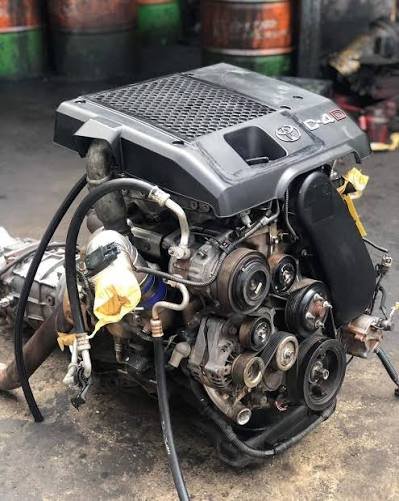
We keep tested Toyota 1KD engines in stock and ship them worldwide, and this page is meant to give you the real picture — what the engine is, what tends to go wrong with it, what we check before it leaves our warehouse, and what to expect from the vehicles it powers.
We’re not going to pad this out with vague reassurances. Buying a used or reconditioned engine sight unseen, often from another country, is a real decision with real money on the line, so we’d rather give you the specifics and let you judge for yourself.
What the 1KD-FTV Actually Is
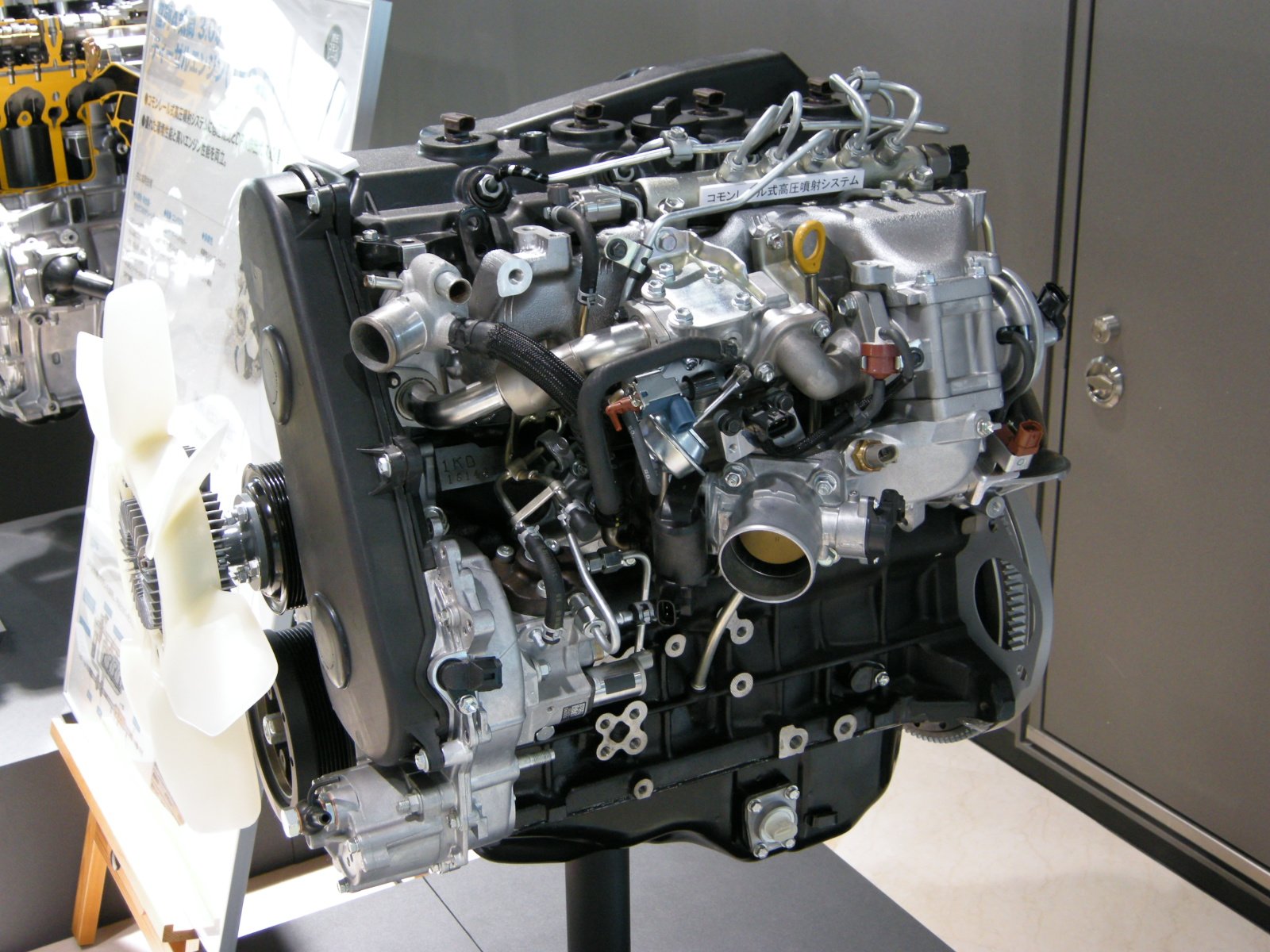
The Toyota 1KD-FTV is a 3.0-litre, inline-four, common-rail turbo diesel that Toyota introduced in 2000 and kept building, in various states of tune, for close to two decades. It replaced the older mechanically-injected diesels with a proper electronically controlled common-rail system, which is a big part of why it feels so much more responsive than the engines it replaced — and also why a failing injector on this engine behaves very differently from a failing injector on something older.
It’s a DOHC 16-valve design with a variable-nozzle turbocharger and an intercooler, running a compression ratio around 17.9:1. Depending on the market and the year, Toyota tuned it anywhere from about 120 kW up to 145 kW, with torque figures in the 343–410 Nm range. That’s not supercar territory, but for a diesel doing daily towing, off-road work, or long highway hauls, it’s a very usable spread of pulling power, and it’s why the engine built such a loyal following among people who actually load their trucks up rather than just driving them around empty.
Toyota 1KD-FTV Specifications
- Displacement: 2,982 cc (3.0 litres)
- Configuration: Inline-4, DOHC, 16 valves
- Bore x Stroke: 96.0 mm x 103.0 mm
- Compression ratio: approx. 17.9:1
- Fuel system: Common-rail direct injection (D-4D), injection pressure up to 1,350 bar
- Forced induction: Variable-nozzle turbocharger (VNT) with intercooler
- Power output: approx. 120–145 kW (160–195 hp), depending on year and market tune
- Torque: approx. 343–410 Nm, depending on tune
- Block/head material: Cast iron block, aluminium cylinder head
- Redline: approx. 4,200 rpm
Those numbers matter when you’re comparing a Toyota 1kd engine for sale from us against something advertised elsewhere for less. A 1KD that’s been detuned, had its VNT swapped for a cheap aftermarket unit, or is missing its factory injectors is not the same engine on paper even if the casting numbers match.
Which Vehicles Run This Engine
The 1KD-FTV found its way into a wide range of Toyota’s diesel line-up, which is part of why demand for a solid replacement never really slows down. You’ll find it under the hood of the Hilux (KUN-series), the Land Cruiser Prado 120 and 150, the Fortuner, the HiAce van, the Land Cruiser 70-series in some markets, and even a handful of Toyota Dyna and Hino Dutro commercial trucks that shared engine architecture across the group. If your VIN plate lists a 1KD-FTV or you’ve confirmed it with a mechanic, our stock is built to bolt straight back in without you needing to re-engineer mounts, wiring, or the ECU.
Because the 1KD spans so many chassis and so many countries’ emissions rules, it’s worth double-checking your exact variant before ordering — a pre-DPF unit and a later DPF-equipped unit aren’t interchangeable without extra wiring work, and we’ll always ask for your chassis or engine number so we send the correct match.
The Problems That Actually Send People Looking for a Replacement
We talk to a lot of Hilux and Prado owners, and the same handful of failures come up again and again. None of this is meant to scare you off the engine — it’s a fundamentally tough design — but high mileage and hard use catch up with any diesel eventually.
Injector wear
The common-rail injectors are precision parts, and years of variable fuel quality wear down the internal valves. You’ll notice it as a rougher idle, harder cold starts, a bit more smoke than usual, and fuel economy that’s crept up without an obvious cause. It’s rarely one injector acting up in isolation — once one starts going, the others usually aren’t far behind, since they’ve all lived through the same fuel and the same mileage.
Turbo wear and failure
The VNT turbo on the 1KD does a lot of work, and its actuator mechanism in particular is a known wear point. A whining or whistling sound under boost, sluggish throttle response, or oil starting to show up in the intercooler piping are all signs the turbo’s on its way out. Left too long, a failing turbo can send debris downstream into the engine itself, which is a far more expensive problem.
Piston and ring wear at high mileage
Past the 250,000–300,000 km mark, it’s common to see compression drop as the piston rings and bores wear. That shows up as blue-ish smoke under acceleration, oil consumption that’s higher than it used to be, and a gradual loss of pulling power that owners often blame on the turbo before realising it’s actually the bottom end.
DPF and EGR clogging
On later, emissions-controlled versions, short trips and low-load driving let soot build up in the diesel particulate filter and EGR passages faster than the engine can burn it off. Warning lights, a rough idle, and a noticeable dip in power are the usual tells. It’s an operating-pattern problem as much as a mechanical one, which is why it tends to hit delivery vans and city-driven Prados harder than trucks that spend their life on the highway.
Head gasket failure
Overheating from a failed thermostat, a blocked radiator, or sustained heavy towing can push the head gasket past its limit. Coolant loss, white exhaust smoke, and a milky tint to the oil are the classic warning signs, and once it’s gone, driving on regardless tends to warp the head and turn a moderate repair into a full rebuild.
If any of that sounds familiar, it’s usually the point where repairing the original engine costs more than it’s worth, and a checked, tested replacement starts to make financial sense.
What You Get When You Buy From Us
Every Toyota 1KD engine for sale in our stock has been pulled from a donor vehicle, assessed, and either sold as a tested used unit or rebuilt depending on what the customer needs and what condition it came in. We don’t sell engines we haven’t personally run and checked. That means:
- Compression tested across all four cylinders, with results recorded and available on request
- Leak-down tested to confirm the rings and valves are sealing properly
- Turbocharger inspected for shaft play and actuator function, rebuilt or replaced where needed
- Injectors flow-tested, with worn units replaced by reconditioned or new equivalents
- Oil pressure checked under running conditions where facilities allow
- Visual and physical inspection of the block, head, and ancillaries for cracks, warping, or prior repair work
We photograph the engine before it’s crated, and we’re happy to send the compression numbers and mileage estimate before you commit to buying. If you’re working with a mechanic or importer on your end, we’ll deal directly with them on the technical questions.
Shipping and Warranty
We ship this engine worldwide — we’ve sent 1KD units by sea and air freight to customers across North America, Europe, Australia and New Zealand, the Middle East, and beyond, and crating is built around surviving that trip, not just looking tidy in a warehouse photo. Every engine goes out on a wooden pallet, bolted down, with the intake and exhaust ports sealed to keep moisture and dust out during transit.
Each unit carries a standard warranty period, and we offer extended cover if you’d rather have the extra peace of mind, particularly if the engine is going into a vehicle you depend on for work. If something’s wrong on arrival that we should have caught, we sort it — that’s not a small-print promise, it’s just how we’d want to be treated buying an engine from someone else.
New, Used, or Rebuilt — What’s the Difference?
We usually stock a mix of low-mileage used engines and fully reconditioned units, and which one makes sense depends on your budget and how long you plan on keeping the vehicle. A low-mileage used 1KD, pulled from a donor with, say, 90,000–150,000 km, is often the most cost-effective option and still has plenty of life left if it’s been looked after. A reconditioned engine costs more but comes with new bearings, rings, gaskets, and often a refreshed turbo and injector set, which makes sense if you want something closer to a fresh start.
We’ll tell you honestly which we’d recommend for your situation rather than just pushing whichever one happens to be sitting on the shelf. If you’d like a broader look at engine condition and rebuild costs specific to this family, our 1KD-FTV rebuild cost guide and our page on common 1KD-FTV problems go into more depth than we can fit here.
Fitment and Compatibility
Because the 1KD was produced across so many years and markets, small details differ — wiring harness connectors, ECU pin-outs, and emissions hardware in particular. Before we ship, we confirm your chassis code and production year so the engine we send matches your loom and mounts without you having to source adapter parts or rewire anything. If you’re swapping a 1KD into a vehicle it wasn’t originally fitted to, tell us up front and we’ll flag anything that needs extra attention rather than let you find out after it’s already on a boat.
For buyers comparing platforms, it’s also worth reading up on the closely related Toyota 1GD-FTV, which succeeded the 1KD in newer Hilux and Fortuner models, or our page on the older 1HD-T Land Cruiser diesel if you’re weighing up an older but simpler engine for a 70-series build.
When Replacement Actually Makes Sense
Not every 1KD problem means you need a new engine. A single failed injector or a tired turbo can often be repaired on the original block for a lot less money. Where a full replacement starts to make sense is when you’re looking at a combination of issues — low compression across multiple cylinders, a head gasket that’s gone along with visible bore wear, or a mileage figure north of 300,000 km where the labour cost of chasing individual failures adds up to more than a tested replacement engine.
If your mechanic has quoted you for a full rebuild in the vehicle, it’s almost always worth getting a like-for-like price on one of our units first — the labour to install a complete engine and the labour to rebuild one in place aren’t wildly different, but the parts cost usually is.
Where These Engines Come From
Most of our 1KD stock comes out of Japan and other markets with strict roadworthiness rules, where vehicles get retired and exported for parts long before the engine itself is actually worn out — a Hilux might get scrapped there at 120,000 km simply because of local inspection costs, while the same engine has plenty of working life left in it. That’s the source pool we buy from, and it’s why a “used” 1KD engine for sale from us is often in noticeably better shape than the tired original sitting in your engine bay right now.
We don’t buy blind at auction and hope for the best; someone on our end inspects the donor before it’s pulled, and the same engine gets re-checked again once it’s on our bench.
1KD-FTV or 1GD-FTV — Which One Do You Actually Need?
We get this question a lot from Hilux and Fortuner owners, because Toyota ran both engines side by side for a few years before phasing the 1KD out. If your vehicle came from the factory with a 1KD, stick with a 1KD — swapping to the newer 1GD-FTV means dealing with a different ECU, different wiring, and mounts that don’t line up cleanly. The 1GD is the more modern design with slightly better fuel economy and a bit more low-end torque, but it also brings a more complex emissions system that can be harder to source parts for in some countries.
Unless a mechanic has specifically recommended the swap for your situation, matching your original engine code is almost always the simpler, cheaper, and more reliable path.
Getting the Most Out of a Replacement Engine
A tested, low-mileage 1KD will only stay that way if the rest of the fuel and cooling system around it is in decent shape too. Before you fit your new engine, it’s worth flushing the fuel tank and lines if the original engine died from fuel-related injector failure — sending contaminated fuel straight into a fresh set of injectors is one of the most common (and most avoidable) ways people end up disappointed with a replacement.
The same goes for coolant: if your old engine went out from overheating, flush the radiator and replace the thermostat rather than reusing components that may already be marginal. A new engine dropped into an old, dirty fuel and cooling system isn’t really a fresh start — it’s just delaying the same failure by a few months.
Once it’s running, regular oil changes matter more on a diesel like this than on most petrol engines, simply because of how much heat and soot the combustion process generates. We’d suggest sticking to the interval Toyota specifies for your market rather than stretching it, particularly for the first few thousand kilometres while everything beds in.
Mistakes We See Buyers Make
The most common one is buying purely on price without asking what’s actually included. A cheap 1KD listing that doesn’t mention the turbo, injectors, or a mileage figure is usually cheap for a reason — you may end up paying separately for parts you assumed were already fitted, or discover the mileage was never disclosed because it was high. The second mistake is skipping the chassis-code check and assuming “it’s a 1KD” is specific enough; between pre-DPF and DPF versions, and between manual and auto-transmission wiring differences, getting this wrong means an engine that arrives but won’t plug in cleanly.
The third is ignoring shipping and import costs when comparing prices between suppliers — a slightly higher engine price with straightforward, well-packed freight to your country is often cheaper in total than a bargain engine from a seller who’s vague about how it’ll actually get to you.
We’d rather answer a long list of questions before you pay than have you find out something was missing after the crate’s been opened. If you’re not sure what to ask, just tell us what state your current engine is in and we’ll walk you through what you actually need.
Frequently Asked Questions
How much does a Toyota 1KD engine for sale usually cost?
Pricing depends on mileage, whether it’s a used or reconditioned unit, and what accessories are included (turbo, injectors, loom, ECU). Send us your chassis code and we’ll give you an exact quote rather than a rough range that may not apply to your specific vehicle.
Will the engine include the turbo and injectors?
Yes, our standard 1KD packages include the turbocharger and injectors already fitted and tested. If you only need a bare long block because you’re reusing your existing ancillaries, we can arrange that too.
How long does shipping take?
Sea freight typically runs a few weeks depending on your port and destination country’s customs process; air freight is faster but costs more. We’ll give you a realistic timeframe once we know your location.
Can I get the engine tested on video before it ships?
Where our facility allows a bench run, yes — just ask before you order and we’ll arrange it.
Do you sell just the long block, or complete engines?
Both. Some customers only need the bare long block because they’re reusing a good turbo, loom, or injectors from their old engine; others want a complete, ready-to-run unit. Tell us what you’re after and we’ll quote accordingly.
What paperwork do I get for customs?
We provide a commercial invoice and the export documentation your country typically requires for a used or reconditioned engine import. If your local customs office needs something specific, let us know before shipping and we’ll prepare it in advance rather than after the engine’s already in transit.
Ready to Order
If your Hilux, Prado, Fortuner, or HiAce needs a proper replacement, get in touch with your chassis details and we’ll confirm stock, condition, and a shipping quote for your country. We keep a rotating stock of Toyota 1KD engines for sale, tested before they leave our hands, and we’d rather answer ten questions up front than have you guessing after the engine’s already on a container ship.