Isuzu 4Hg1 Engine for Sale: A Practical Guide for Truck and Fleet Owners
If you run an Isuzu NPR, NQR, or an Elf-based commercial vehicle, chances are you didn’t come looking for an Isuzu 4Hg1 engine for sale out of curiosity. Something’s gone wrong — low compression, a smoking exhaust, or a mechanic who’s told you the block is no longer worth chasing. This engine has been the backbone of medium-duty delivery and commercial fleets for decades, precisely because it’s mechanically simple and doesn’t punish you for skipping a service the way more modern common-rail engines do. That simplicity is also why it’s such a good candidate for a straightforward replacement rather than an expensive rebuild. Here’s what you’re actually dealing with.
What the 4HG1 Is
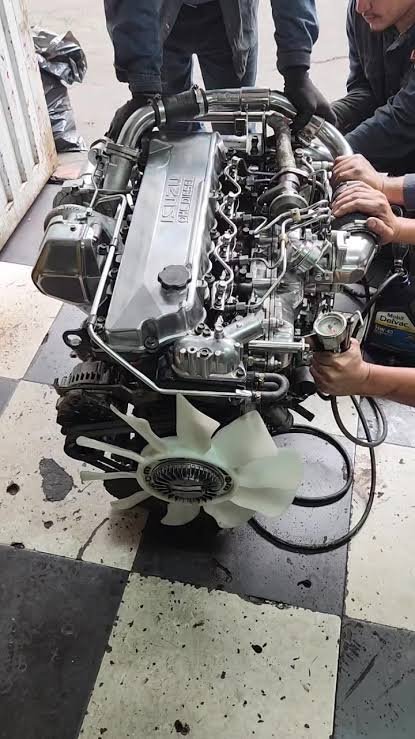
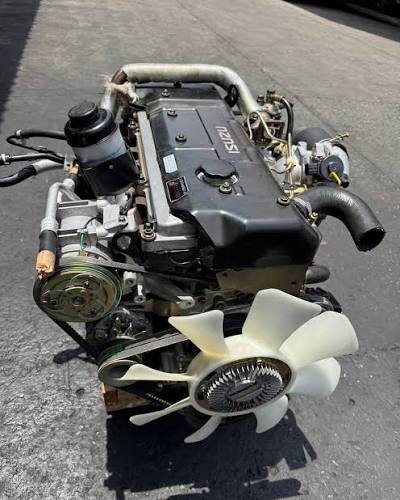
The Isuzu 4HG1 is a 4.6-litre, inline-four diesel with a cast-iron block, mechanically direct-injected, running pushrods and rocker arms off a gear-driven camshaft rather than a timing belt or chain that stretches over time. That’s a deliberately old-school layout, and it’s exactly why fleet operators have kept these engines running for hundreds of thousands of kilometres with nothing more than routine maintenance. There’s no common-rail electronics to fail, no complex sensor network second-guessing the fuel delivery — just a mechanical injection pump and injectors doing a job that hasn’t fundamentally changed since the engine was designed.
Isuzu built the 4HG1 in both naturally aspirated and turbocharged (4HG1-T) forms, and which one you have will affect both your power figures and your replacement options, so it’s worth confirming before you order. It’s part of Isuzu’s wider Circle L diesel engine family, which is part of why parts and know-how are so widely available for it.
Isuzu 4HG1 Specifications
- Displacement: 4,570 cc (4.6 litres)
- Configuration: Inline-4, direct injection, cast-iron block
- Bore x Stroke: 115 mm x 125 mm
- Compression ratio: approx. 17.5:1 to 18.5:1 (varies by spec)
- Valvetrain: Pushrod/OHV, gear-driven camshaft
- Firing order: 1–3–4–2
- Power (naturally aspirated): approx. 110–125 hp (82–93 kW) at 2,600–2,800 rpm
- Torque (naturally aspirated): approx. 300–360 Nm at 1,600–1,800 rpm
- Power (turbocharged, 4HG1-T): approx. 130–145 hp (97–108 kW) at 2,800 rpm
- Torque (turbocharged): approx. 360–420 Nm at 1,600 rpm
- Injection pressure: approx. 250–350 bar via mechanical high-pressure pump
Every Isuzu 4Hg1 engine for sale we list is tested against these baseline figures, and we’ll tell you upfront whether you’re looking at a naturally aspirated or turbocharged unit rather than leaving you to work it out after delivery.
Where This Engine Is Used
The 4HG1 is best known for powering the Isuzu N-Series — NPR, NQR, and NPS models — which cover everything from delivery vans to flatbeds and small dump trucks. It’s also fitted to a range of commercial minibuses, agricultural machinery, construction equipment, and industrial power units, and it’s shown up in marine auxiliary applications too, which speaks to how tolerant the design is of continuous, unglamorous duty cycles. If your vehicle is somewhere in that range and running rough, low, or not at all, this is very likely your engine.
Why These Engines Actually Fail
The 4HG1’s simplicity means fewer categories of failure than a modern common-rail engine, but the ones that do occur tend to be wear-related rather than electronic.
Injector pump and nozzle wear
The mechanical injection pump and nozzles wear over tens of thousands of hours of use, which shows up as rough idling, harder starts, and smoke that’s darker or heavier than it used to be. Because it’s a purely mechanical system, a good diesel workshop can usually recalibrate or rebuild the pump rather than needing to replace the whole unit — but by the time compression has also dropped, that repair alone won’t fix the underlying problem.
Cylinder and ring wear from high hours
Fleet vehicles running this engine often rack up extreme hours rather than just kilometres — idling for deliveries, stop-start city driving, extended PTO use on equipment. That kind of duty cycle wears bores and rings differently than highway driving does, and it’s the most common reason we see for a full replacement rather than a top-end rebuild: by the time someone’s checking compression, it’s often down across most or all cylinders, not just one.
Head gasket and cooling system failures
Fleet trucks that get worked hard and serviced on a “when it breaks” schedule rather than a proper interval are especially prone to overheating-related head gasket failure. Coolant loss, white smoke, and an oil dipstick that looks milky are the signs, and on a cast-iron block like this, sustained overheating can also warp the head enough that resurfacing isn’t enough to save it.
Turbo failure on 4HG1-T units
On turbocharged variants, oil starvation from stretched service intervals is the usual culprit — the turbo bearings need clean oil more than almost anything else in the engine, and skipped changes shorten their life dramatically. A whining turbo or visible oil in the intercooler piping is worth acting on before it fails completely and sends debris back into the engine.
What We Check Before Shipping
- Compression tested across all four cylinders
- Injection pump and nozzles inspected, rebuilt where needed
- Turbo (on 4HG1-T units) checked for shaft play and oil leakage
- Head and block visually inspected for cracks or prior repair work
- Oil pan and pickup checked for debris
- Bench run where facilities allow, to confirm oil pressure and a clean idle
We’ll give you the compression numbers and an honest mileage or hours estimate before you commit to buying. Fleet buyers in particular tend to ask for this upfront, and we’d rather send it than have you find out after the engine’s already shipped.
Naturally Aspirated or Turbocharged — Which Do You Need?
If your original engine was naturally aspirated, stick with naturally aspirated unless a mechanic has specifically recommended the swap — the turbo version needs different oil cooling provisions and, on some chassis, different engine mounts and exhaust routing. If you’re replacing a 4HG1-T, keeping the turbo variant preserves your existing intercooler plumbing and avoids reworking the intake. We’ll confirm which spec you need from your chassis or engine number rather than leaving it to guesswork.
Worldwide Shipping
We ship the 4HG1 to fleet operators and independent owners across a wide range of countries, from North America and Australia to the Middle East and beyond. Every engine is drained of fluids, sealed at the ports, and secured to a wooden pallet before crating for the trip, and we’ll give you a realistic shipping timeframe once we know your destination and preferred freight method.
Warranty and Support
Every 4HG1 we sell comes with a standard warranty period, with extended cover available — a sensible option if the vehicle is generating revenue for you and downtime is the real cost, not just the engine itself. If a fault traces back to something we should have identified in testing, we deal with it directly rather than making you argue your case.
Buying for a Fleet? A Few Extra Things to Know
If you’re sourcing more than one engine at a time, tell us upfront — we can hold matching-spec units together, coordinate a single consolidated shipment to cut freight costs per unit, and provide the same compression and inspection paperwork for each engine so your maintenance records stay consistent across the fleet. We also keep a rolling supply specifically because fleet customers can’t always plan a breakdown around our stock levels, so it’s worth asking what’s currently on hand even before you have an exact date you need it by.
Where Our 4HG1 Stock Comes From
Most of our 4HG1 engines come out of Japan and other right-hand-drive markets where strict roadworthiness inspection rules mean commercial trucks get retired and exported for parts well before the drivetrain is actually finished. A truck that’s failed inspection over bodywork, emissions paperwork, or an unrelated fault can still be carrying an engine with plenty of working hours left in it, and that’s the pool we source from. Every donor engine is assessed before it’s pulled, and it’s checked again once it’s on our bench — which is a very different standard from buying blind off an auction listing and hoping for the best.
4HG1 vs 4HK1 — Should You Upgrade Instead?
Isuzu eventually replaced the 4HG1 with the common-rail 4HK1 in newer N-Series trucks, and we occasionally get asked whether it’s worth swapping up rather than replacing like-for-like. For most owners, the answer is no. The 4HK1 brings more power and better fuel economy, but it also brings electronic injection, a diesel particulate filter in most markets, and a completely different ECU and wiring setup that won’t bolt into a 4HG1-era chassis without significant modification.
Unless you’re doing a wider drivetrain upgrade with the help of a specialist workshop, matching your original 4HG1 is almost always the simpler, cheaper, and more reliable path — and it’s exactly why demand for this engine specifically, rather than its replacement, hasn’t slowed down even though Isuzu stopped fitting it to new trucks years ago.
Installation Notes Worth Knowing
A few things are worth handling at the same time as the engine swap rather than afterward. If your original engine’s failure involved overheating, replace the thermostat and flush the radiator rather than reusing parts that may already be marginal — a fresh engine dropped into a compromised cooling system is just delaying the same failure. If the pump or injectors on the old engine were contaminated by bad fuel, drain and clean the fuel tank and lines before connecting them to your replacement; sending dirty fuel into a freshly rebuilt injection pump undoes a lot of the work that went into testing it.
And check your motor mounts — on a truck that’s covered serious mileage, they’re often worn enough to be worth replacing at the same time, which is far cheaper to do now than after the engine’s already back in and running.
Getting the Most Life Out of Your Replacement
The 4HG1 rewards basic, consistent maintenance more than almost any modern diesel we sell, precisely because there’s less electronics to mask a problem until it’s serious. Regular oil and filter changes matter more here than on newer engines, since the mechanical injection system is less forgiving of degraded oil quality than a common-rail system with tighter filtration. Keep an eye on coolant condition too — on a cast-iron block, corrosion inhibitor breakdown over time contributes to the head gasket failures we covered earlier, and it’s a cheap thing to stay ahead of.
If the truck is used for extended idling or PTO work, don’t skip interval-based oil changes just because the odometer hasn’t moved much; hours matter as much as kilometres on this engine.
Repair or Replace?
A worn injection pump or a failed head gasket on an otherwise sound block is usually worth repairing in place — the 4HG1’s mechanical simplicity keeps those jobs relatively affordable. Where replacement wins out is when compression is down across multiple cylinders, the block itself is cracked, or your truck’s downtime is costing you more per day than the difference between a partial repair and a tested replacement engine that’s ready to install. If you’re not sure which side of that line you’re on, describe the symptoms and any test results you already have, and we’ll give you a straight answer rather than just pushing a sale.
Mistakes We See Buyers Make
The most common one is treating “4HG1” as a single interchangeable part number without confirming naturally aspirated versus turbo, or checking that the injection pump type matches. The two variants aren’t drop-in substitutes for each other without extra work on mounts, cooling, and in some cases the exhaust routing. The second mistake is buying on price alone from a listing that doesn’t disclose hours, compression, or what’s included — a bare block advertised at a bargain price isn’t actually cheaper once you’ve sourced a pump, injectors, and a turbo separately to make it usable.
The third is underestimating how much a badly packed engine can cost you in freight damage; a slightly higher price from a supplier who properly seals and crates the engine is usually the better deal once you account for the risk of dealing with transit damage on arrival.
If you’re not sure exactly what you need, tell us the symptoms your current engine is showing and what chassis it’s fitted to, and we’ll tell you plainly what will and won’t work rather than just trying to close a sale.
What Kind of Life to Expect From a Replacement
A tested low-hour used 4HG1, kept on a proper service schedule, has no trouble matching or beating the life of the original factory engine — there’s nothing about the replacement process that inherently shortens its lifespan compared to the one it’s replacing. What actually determines how long it lasts is the same thing that determined how long the original one lasted: oil change discipline, coolant condition, and whether the truck spends its life idling and short-tripping or doing steady highway or route work.
Fleet operators who track hours and stick to a fixed interval, rather than a “we’ll get to it” schedule, consistently get the most out of these engines, replacement or original. It’s a mechanically honest engine in that sense — look after it and it looks after you, neglect it and the wear shows up roughly where you’d expect.
Related Reading
For more detail on this engine family specifically, see our pages on Isuzu 4HG1 maintenance tips and 4HG1 performance and reliability. If your truck runs a different Isuzu diesel entirely, our used diesel engine page covers the wider range we stock.
Frequently Asked Questions
How do I know if my Isuzu 4Hg1 Engine for sale is naturally aspirated or turbo?
Check for a turbocharger and intercooler on the engine itself, or give us your chassis or engine number and we’ll confirm which spec you have.
Does the replacement engine come with the injection pump fitted?
Yes, our standard 4HG1 packages include a tested, calibrated injection pump. If you’d rather keep your existing pump, let us know and we can supply a bare long block instead.
Can you supply multiple engines for a fleet order?
Yes, and we can often consolidate shipping to reduce the per-unit freight cost. Get in touch with the quantity and specs you need.
What documentation do you provide for customs clearance?
A commercial invoice and standard export paperwork for a used or reconditioned engine. Let us know in advance if your country requires anything additional.
Is a used 4HG1 a better buy than a rebuilt one?
It depends on hours and condition. A low-hour used engine can be excellent value; a fully reconditioned unit with fresh bearings, rings, and gaskets costs more but gives you a longer runway before the next rebuild. We’ll recommend whichever genuinely fits your budget and how long you plan to keep the vehicle, rather than defaulting to whichever we have more of in stock.
Can I get photos and compression figures before I commit to buying?
Yes, always ask. We’d rather send clear photos and honest test numbers upfront than have a customer feel like they bought blind.
Ready to Order
If your NPR, NQR, or Elf needs a dependable replacement, send us your chassis or engine number and we’ll confirm current stock, condition, and a shipping quote for your location. We keep a steady supply of tested Isuzu 4Hg1 engines for sale, and we’d rather answer your questions honestly now than have you find a surprise once the crate’s already open.
Ready to order? Check stock and request a quote on our Isuzu 4HG1 engine product page.