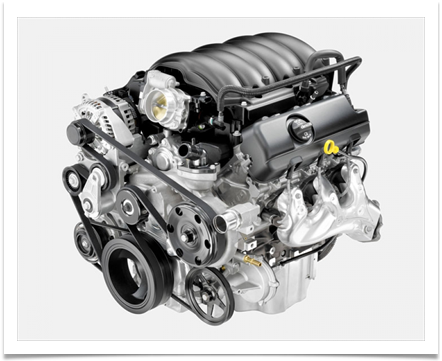
Two engines can sit side by side on a pallet, look almost the same, and be sold under two different labels. One says rebuilt. The other says remanufactured. The price gap can be large, and most sellers never explain why. That is what this remanufactured vs rebuilt engine guide is for.
We are NJ Global Auto Parts, and selling replacement engines is our main business. We supply used, rebuilt and remanufactured engines for Toyota, Nissan, Mercedes, BMW, Isuzu, Mitsubishi, Cummins and other makes, and we ship worldwide to workshops, fleet owners, importers and private drivers. We get the remanufactured vs rebuilt engine question almost every day, so here is the long answer, with nothing hidden.
Want a price now? Send your engine code through our contact page or browse our engines for sale.
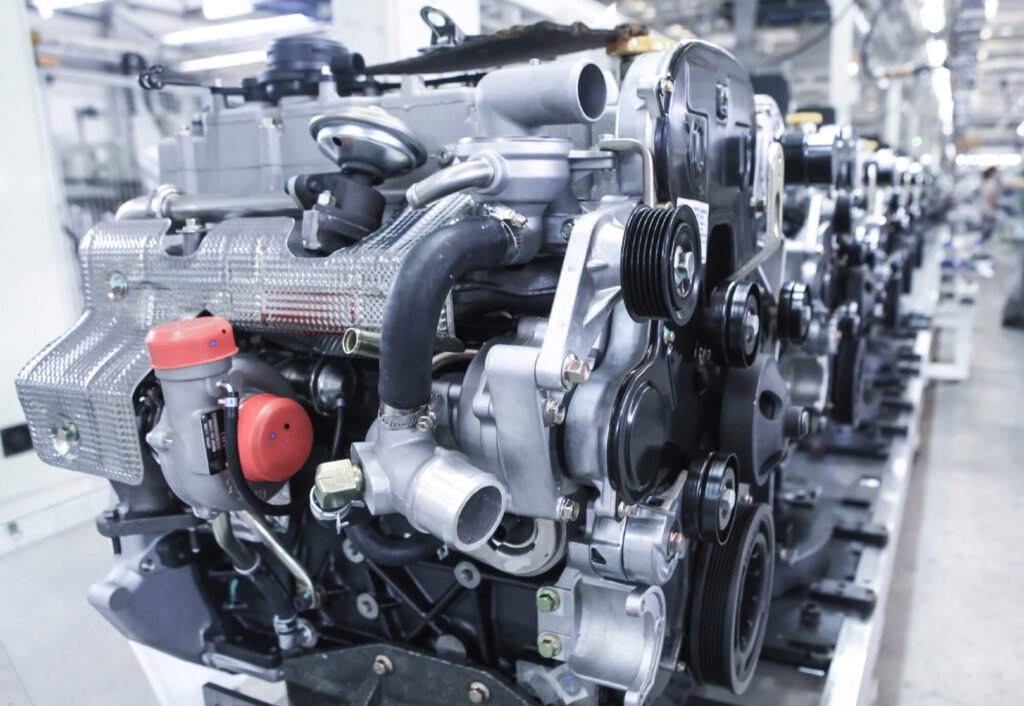
Remanufactured vs Rebuilt Engine: The Quick Version
A rebuilt engine has had its failed and worn parts replaced so it runs well again. A remanufactured engine has been taken all the way down, machined back to factory specification, and put together with every wear part new, usually on a production line with set procedures and testing.
So the remanufactured vs rebuilt engine difference is mostly about how far the work goes and how standard the process is. A rebuild fixes what is wrong. A reman resets the whole engine to as new numbers.
Both can be good. Both can be bad. The label alone does not tell you which one you are getting. The paperwork, the parts list and the warranty do.
What Is a Rebuilt Engine?
A rebuilt engine starts as a worn or failed engine. A mechanic or engine builder strips it, finds the damage, and replaces what needs replacing. On a typical rebuild you can expect:
- Engine stripped and cleaned
- New piston rings, bearings and gaskets
- Cylinders honed, or bored oversize if worn
- Crank polished or ground if needed
- Head checked, valves lapped or replaced, new stem seals
- New timing chain or belt kit
- New oil pump on better rebuilds
The key word is needed. A rebuilder measures parts and reuses what is still in spec. That is fair, and it keeps the price down. But it also means two rebuilt engines from two shops can be very different. One builder replaces everything that moves. Another replaces only what is clearly broken.
That variation sits at the centre of the remanufactured vs rebuilt engine debate. With a rebuild, the quality depends almost fully on the person who did it.
What Is a Remanufactured Engine?
Remanufacturing is a factory style process. Engines come in as cores, are fully stripped, cleaned and inspected, and every part is either brought back to original specification or thrown away. The remanufacturing industry treats this as restoring the product to like new performance, not just making it run.
On a proper remanufactured engine you should expect:
- Block crack tested, decked flat and line bored if needed
- Cylinders bored and honed to set sizes, with matching new pistons
- Crankshaft ground and polished, or replaced
- Connecting rods reconditioned or replaced
- Heads pressure tested, surfaced, with new guides, seals and often new valves
- Camshafts measured and replaced if worn
- All bearings, rings, gaskets, seals, timing parts and oil pump new
- Known factory faults corrected with updated parts
- Run tested or pressure tested before it leaves
Because the process is written down and repeated, one remanufactured engine of a type should be much like the next. That consistency is what you pay for when you choose the reman side of the remanufactured vs rebuilt engine choice.
Remanufactured vs Rebuilt Engine: Side by Side Comparison
| Point | Rebuilt Engine | Remanufactured Engine |
|---|---|---|
| Who does the work | Local machinist or workshop | Remanufacturing facility |
| Process | Varies by builder | Set, repeated procedure |
| Parts replaced | Failed and worn parts | All wear parts, plus anything out of spec |
| Machining | As needed | Standard on every unit |
| Known factory faults fixed | Sometimes | Usually |
| Testing | Varies, often a first start | Pressure or run tested |
| Typical warranty | Shorter, varies a lot | Longer and written |
| Price | Lower | Higher |
| Expected life | Good if built well | Close to a new engine |
If you only read one part of this remanufactured vs rebuilt engine guide, read that table. It sums up why the prices are different.
Where Used Engines Fit In
There is a third option, and it is the one we sell most: a good used engine. A used engine is pulled from a vehicle, checked, tested where possible, and sold as it is. No internal parts are replaced.
A low mileage used engine from a clean vehicle can outlast a cheap rebuild. A tired used engine will not. The trick is the checks. We explain those in our rebuilt vs used engine guide.
So really, the remanufactured vs rebuilt engine choice often turns into three options:
- Used: lowest cost, good if mileage and condition are right
- Rebuilt: middle cost, quality depends on the builder
- Remanufactured: highest cost, most consistent result
Remanufactured vs Rebuilt Engine Cost
We will not give fixed prices here, because they change with the engine, the market, core availability and shipping. What we can give you is how the costs usually stack up.
- A rebuilt engine usually costs noticeably less than a remanufactured one of the same type
- A remanufactured engine usually costs less than a brand new crate engine from the maker, if one is even available
- Both usually need a core return, or a core charge if you keep your old engine
- Labour to install is about the same for both, if they come as the same assembly (long block or complete)
That last point matters. People compare a remanufactured long block with a rebuilt short block and wonder why the prices are miles apart. Compare like with like. If the assembly level is new to you, read our long block vs short block engine guide first, then come back to the remanufactured vs rebuilt engine choice.
The fair way to judge cost is price divided by expected years of service, plus the cost of downtime if it fails. For a work truck that earns money every day, the reman often wins. For an older family car you plan to sell in two years, a good rebuild or used engine is often enough.
Specifications That Should Match on Any Rebuilt or Remanufactured Engine
Whatever side of the remanufactured vs rebuilt engine choice you take, the engine has to match yours exactly. Here are the specs we check, with examples from engines we supply often.
| Engine | Type | Displacement | Bore x Stroke | Compression | Common Use |
|---|---|---|---|---|---|
| Toyota 1KD-FTV | I4 turbo diesel | 2,982 cc | 96.0 x 103.0 mm | 17.9:1 (varies by year) | Hilux, Prado, Hiace, Fortuner |
| Toyota 1HD-FTE | I6 turbo diesel | 4,164 cc | 94.0 x 100.0 mm | 18.8:1 | Land Cruiser 100 |
| Toyota 1GR-FE | V6 petrol | 3,956 cc | 94.0 x 95.0 mm | 10.0:1 to 10.4:1 | Prado, 4Runner, Hilux, Tacoma |
| Nissan TD42 | I6 diesel | 4,169 cc | 96.0 x 96.0 mm | 22.7:1 | Patrol, Civilian bus |
| Cummins 4BT | I4 turbo diesel | 3,900 cc | 102.0 x 120.0 mm | 17.5:1 | Trucks, buses, equipment |
| Mercedes M276 | V6 petrol | 3,498 cc | 92.9 x 86.0 mm | 12.2:1 (NA) | C, E, ML, GLE class |
On a rebuild or reman, also ask for:
- Final bore size (standard or oversize, and how much)
- Crank journal size (standard or undersize)
- Head gasket thickness if the head or block was surfaced
- Compression or leak down test figures
- Which updated parts were fitted for known problems
A seller who cannot answer these is guessing. That is a red flag on either side of the remanufactured vs rebuilt engine question.
Remanufactured vs Rebuilt Engine: 7 Proven Checks Before You Buy
1. Get the Parts List in Writing
Ask exactly what was replaced and what was reused. New pistons or just new rings? New oil pump or the old one cleaned? This single list settles most of the remanufactured vs rebuilt engine confusion.
2. Ask Who Did the Machining
A good machine shop is the heart of a good engine. Boring, honing, decking and crank grinding need proper equipment. Ask where it was done.
3. Ask How It Was Tested
Run tested on a stand? Pressure tested for oil and coolant leaks? Compression tested? Any testing is better than none. A remanufactured engine should always have something on paper.
4. Read the Warranty Properly
Length is only half of it. Check what is covered, whether labour is included, and what you must do to keep it valid. Most warranties ask for a new radiator or flushed cooling system, new filters, correct oil and receipts from a qualified installer. Our own terms are on the refund and returns policy page.
5. Check the Core Policy
Most rebuilt and remanufactured engines are priced on the basis that you return your old one. Find out the core charge, how long you have to send it back, and what condition it must be in. Cracked blocks often do not count.
6. Match the Engine to Your Vehicle, Not Just the Code
Engines with the same code can change by year, market and transmission. Give your VIN and build date so the right version is supplied. This applies whatever you choose in the remanufactured vs rebuilt engine decision.
7. Find Out Why the Old Engine Failed
Every engine builder will tell you this. If the old one died from overheating, a blocked oil pickup, a failed turbo or dirty air, fix that first. Otherwise the new engine, rebuilt or reman, goes the same way.
Which One Should You Buy?
Here is how we usually guide people through the remanufactured vs rebuilt engine choice. It is not a rule, just what tends to work.
Choose remanufactured when:
- The vehicle works for a living: taxis, delivery vans, buses, trucks, mining and farm units
- You plan to keep the vehicle for many more years
- Downtime costs you more than the price difference
- The engine has known factory faults that a reman fixes with updated parts
- You need a long written warranty for a fleet or a finance company
Choose rebuilt when:
- You know and trust the engine builder
- The budget is tight but you still want new internal wear parts
- The engine is rare and no reman unit exists
- You want certain upgrades fitted during the build
Choose a quality used engine when:
- A low mileage, clean, tested unit is available
- You need the lowest upfront cost
- The vehicle is older and will not be kept long
Diesel Engines: Remanufactured vs Rebuilt Engine Matters More
Diesels are where the remanufactured vs rebuilt engine choice really counts. High compression, heavy loads, turbochargers and injection systems all add stress. Small mistakes in a rebuild, like a wrong piston protrusion figure or a poorly set injector, show up fast.
On diesels we supply often, like the Toyota 1KD-FTV, 1HD-FTE, Nissan TD42, Isuzu 4HK1 and Cummins 6BT, we tell buyers to pay close attention to:
- Piston protrusion measured and the right head gasket grade fitted
- Injectors tested or replaced, not just cleaned
- Turbo checked for shaft play, or replaced
- Oil cooler cleaned or replaced
- Intercooler and pipes cleaned of oil
If any of these are skipped, a good rebuilt or remanufactured diesel can fail early. For more on a common example, see our 1KD-FTV engine rebuild cost guide.
Petrol Engines and Known Weak Points
Many modern petrol engines have known weak spots. A good reman deals with them. A basic rebuild might not. Some examples we see:
- Mercedes M272 and M273: balance shaft and timing gear wear
- Mercedes M276: timing chain stretch and camshaft adjuster noise
- BMW N63: valve stem seals, oil consumption, turbo oil lines
- Toyota 2GR and 1GR: mostly strong, but check head gaskets on overheated units
- Nissan VQ40DE: timing chain guides on some years
When you compare offers in the remanufactured vs rebuilt engine choice, ask the seller what they did about the known problems on your engine. The answer tells you a lot. You can see our stock for the M272, M276, BMW N63 and VQ40DE on their product pages.
Myths About Remanufactured vs Rebuilt Engine Options
Myth: remanufactured just means rebuilt with a better name.
Sometimes sellers use the words loosely, true. But a real reman follows a set process and replaces every wear part. That is a real difference, not marketing.
Myth: a rebuilt engine is always worse.
No. A rebuild by a careful builder with good machining can be excellent. A careless reman can be poor. The remanufactured vs rebuilt engine label is a starting point, not a guarantee.
Myth: a used engine is always a gamble.
A tested, low mileage used engine with clean oil and good compression is often a smart buy. We sell many of them.
Myth: a new engine is always best.
For many older vehicles a new engine is not available, or costs more than the vehicle is worth. A reman fills that gap.
Installing a Rebuilt or Remanufactured Engine the Right Way
Whatever you pick in the remanufactured vs rebuilt engine choice, the install decides how long it lasts. Give this list to your mechanic:
- Fit a new or flushed radiator, new thermostat and new hoses
- Replace the water pump if it is not supplied new
- Clean or replace the oil cooler and turbo oil feed lines
- Prime the oil system before the first start
- Use the correct oil grade, and change oil and filter after the first 500 to 1,000 km
- Check for leaks and fault codes after the first drive
- Drive with varying speed and load during break in, no long idling
- Keep every receipt for the warranty
Break in matters most on a rebuilt or remanufactured engine with new rings and freshly honed bores. Varying the load helps the rings seat properly. Long idling or very gentle driving can glaze the bores.
Typical Buyer Situations and What We Suggest
Theory is fine, but most people want to know what someone in their position should do. Here are the situations we see most often and how the remanufactured vs rebuilt engine choice usually plays out.
The Fleet Owner With Five Hilux Pickups
One truck has a knocking 1KD-FTV and the others are close behind on mileage. Downtime is lost income. Here we normally suggest a remanufactured unit, or a carefully rebuilt one with full diesel work, plus a plan to replace the cooling parts on the rest of the fleet. A long written warranty helps when you are running a business.
The Private Owner With a Ten Year Old SUV
The engine overheated after a hose burst. The body is good and the owner wants a few more years out of it. A low mileage used engine or a sound rebuild usually makes the most sense here. Paying for a reman on a vehicle you might sell in two years is often money you will not get back.
The Workshop With a Customer Waiting
The workshop needs an engine fast and needs it to start first time, because their name is on the job. They usually take a tested used long block or a remanufactured long block. The remanufactured vs rebuilt engine question matters less to them than speed and a clear parts list.
The Importer Buying in Volume
Importers often mix used and rebuilt units in one container to hit different price points for their customers. We help them plan the mix so the remanufactured vs rebuilt engine options on their shelf match what their market will pay.
The Classic or Rare Engine
When the engine is old or rare, a reman often does not exist. A rebuild by a good specialist is the only real path. In that case the remanufactured vs rebuilt engine debate settles itself, and the job becomes finding the right builder and the right parts.
Questions to Ask Any Engine Seller
Copy these and send them to every seller you are talking to, us included. Good sellers will answer all of them without fuss.
- Is this engine used, rebuilt or remanufactured, and what does that mean in your shop?
- Can I see a full list of new parts fitted?
- What machining was done, and what are the final bore and crank sizes?
- How was it tested, and can I see the results?
- Is it a short block, long block or complete engine?
- What is the warranty, in writing, and what voids it?
- Is there a core charge?
- How will it be packed and shipped to my country?
If the answers are vague, walk away. A clear seller makes the remanufactured vs rebuilt engine choice simple, because you can see exactly what you are paying for.
How We Supply Engines Worldwide
We ship used, rebuilt and remanufactured engines from our stock and partner yards to buyers worldwide. Every order goes through the same steps:
- We confirm the engine code and match it to your VIN or vehicle details
- We send photos and test results where available
- We give a written quote with the parts list and warranty terms
- We drain, cap, crate and wrap the engine for transit
- We ship by sea or air and send tracking details
Shipping and payment details are on our shipping policy and billing terms pages. If you want to know who we are, read about us.
Popular Engines We Sell Rebuilt, Remanufactured or Used
- Toyota: 1GR-FE, 2GR-FE, 1VD-FTV, 2KD-FTV, 3UR-FE
- Nissan: YD25, ZD30, QD32T
- Heavy diesel: Caterpillar 3306, Caterpillar C15, Cummins ISB
- Mitsubishi and Isuzu: 4D56, 4M50, 4JK1
See everything in our shop. If your engine is not listed, ask us. We can usually find it.
Remanufactured vs Rebuilt Engine FAQ
Is a remanufactured engine as good as new?
A properly remanufactured engine is built to original specifications with new wear parts, so it should perform and last close to a new one.
How long does a rebuilt engine last?
It depends on the builder and the install. A careful rebuild with proper machining and break in can last a very long time.
Why is a remanufactured engine more expensive?
More parts are replaced, more machining is done, the process is controlled and tested, and the warranty is usually longer.
Do I need to send my old engine back?
Often yes, as a core. Ask about the core charge when you get a quote.
Do you ship worldwide?
Yes. We ship engines to most countries by sea and air.
Can you help me choose?
Yes. Tell us your vehicle, engine code, how you use the vehicle and your budget, and we will lay out the remanufactured vs rebuilt engine and used options with prices.
Get a Remanufactured vs Rebuilt Engine Quote
The remanufactured vs rebuilt engine decision is easier when you can see real prices and real parts lists side by side. That is what we send. No pressure, no fancy words, just what each option includes and what it costs delivered to you.
Send us your engine code, VIN and delivery country through the contact page. You can also browse Toyota engines, Nissan engines and Mercedes engines, or read more guides on our blog.