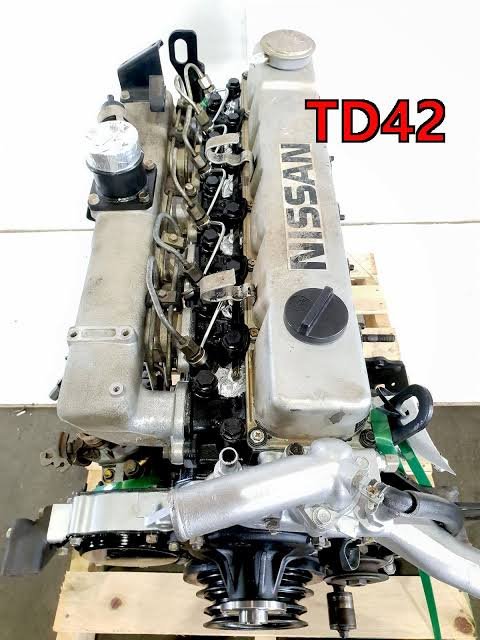
Ordering a Nissan TD42 engine for sale worldwide from overseas is usually the easy part. The part that actually trips people up is everything after the payment clears — customs paperwork, biosecurity rules in certain countries, and figuring out which shipping method actually gets the engine to you without it sitting in a bonded warehouse for six weeks racking up storage fees. We’ve shipped TD42 engines to Australia, New Zealand, Southern Africa, the Pacific Islands, and the Middle East often enough to know exactly where international buyers get stuck, so that’s what this page walks through.
NJ Global Auto Parts tests and exports TD42 engines worldwide, and if this is your first time importing an engine rather than a finished vehicle, the process is genuinely different — different documentation, different customs classification, and in some countries, different rules entirely depending on whether the engine is going into an existing vehicle or a new build.
What the Nissan TD42 Is, Briefly
The TD42 is Nissan’s 4.2-liter inline-six diesel, built through the late 1980s and 1990s for the Patrol and Safari and prized for being simple, mechanically injected, and about as close to unkillable as a production diesel gets. It’s exactly the kind of engine that makes sense to import rather than source locally in a lot of markets, since demand for it as a replacement engine or swap candidate has stayed strong long after Nissan moved on to newer platforms — which is also exactly why so much of our TD42 business is international rather than domestic.
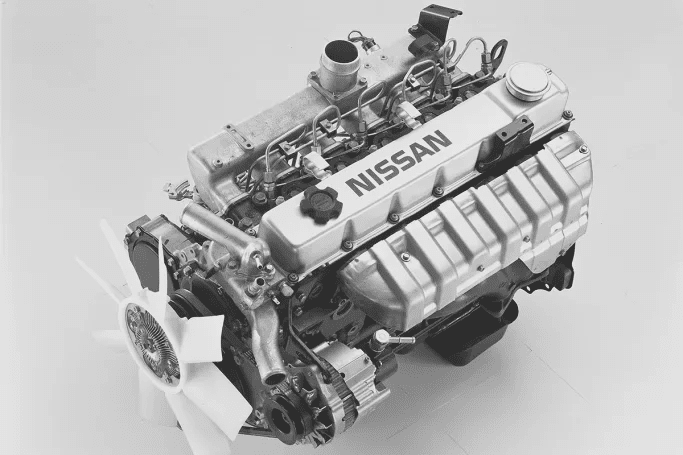
Nissan TD42 Engine Specifications
| Specification | Detail |
|---|---|
| Configuration | Inline-6, SOHC, 12-valve |
| Displacement | 4.2 L (4,169 cc) |
| Bore x Stroke | 86.0 mm x 96.0 mm |
| Compression ratio | 21.5:1 |
| Aspiration | Naturally aspirated (TD42); turbocharged (TD42T); turbo intercooled (TD42Ti) |
| Fuel system | Bosch VE rotary injection pump |
| Power output | Approx. 116-133 PS depending on variant |
| Torque | Approx. 275-294 Nm @ 2,000 rpm |
| Dry weight | Approx. 330 kg |
For a broader look at where the TD42 sits inside Nissan’s diesel engine history, the Nissan TD engine family page on Wikipedia covers the full lineup across displacements.
Shipping Methods — Full Container, Shared Container, or Air
Most TD42 engines move by sea freight, and which method makes sense depends mostly on how urgently you need it and whether you’re ordering just the engine or a larger parts shipment alongside it. A full container load (FCL) makes sense if you’re bringing in multiple engines or combining the order with other parts — you pay for the whole container but nobody else’s cargo delays your customs clearance. Less-than-container-load (LCL), where your crate shares space with other shippers’ freight, is more common for a single engine and costs less, but transit and clearance can take longer since your cargo is consolidated and deconsolidated at ports along the way, and clearance sometimes waits on other shippers’ paperwork in the same container.
Air freight is available for buyers who need the engine fast and are willing to pay significantly more for it — realistic for an urgent fleet-down situation, less realistic for a routine replacement given the weight of a complete engine. We’ll quote all three options with realistic transit times for your specific destination so you can weigh cost against how badly you need the engine right now.
Documentation You’ll Actually Need
Every international engine shipment needs a commercial invoice and packing list describing the engine, its value, and its condition (used, tested, running condition) — this is what customs uses to assess duty and confirm what’s actually in the crate. A bill of lading (for sea freight) or air waybill (for air freight) is your proof of shipment and what your customs broker uses to release the cargo on arrival. Depending on your country, you may also need a certificate of origin, and some countries require a decontamination or steam-cleaning certificate specifically for used engines and machinery, confirming the unit has been cleaned of soil, plant material, and other biosecurity risks before it left our facility.
We prepare the commercial invoice, packing list, and any decontamination documentation your destination country requires as standard practice — you’re not left assembling this yourself from scratch. If your country requires an import permit or pre-approval before the engine even ships, let us know as early as possible, since that step happens on your end and can add lead time if it’s not sorted before the engine leaves our dock.
Biosecurity Rules — Australia and New Zealand Specifically
If you’re importing into Australia or New Zealand, budget extra attention here. Both countries’ biosecurity authorities require used engines and machinery to arrive free of soil, plant material, insects, and other organic contamination, and inspectors will hold and potentially return or destroy a shipment that fails inspection on arrival — at your cost, not ours. We steam-clean and degrease every engine bound for these markets before crating specifically to meet this standard, and we can provide documentation confirming the cleaning was done, which speeds up your clearance and reduces the odds of a hold-up at the border.
This isn’t unique to us or to TD42 engines specifically — it’s standard for any used engine or machinery entering these markets, and sellers who don’t prepare for it are exactly why some buyers have horror stories about an engine sitting in quarantine for weeks. Ask any seller directly whether they steam-clean before shipping to Australia or New Zealand, and don’t assume it’s been done if they don’t mention it unprompted.
Import Duty and Tax Considerations by Region
Duty rates and taxes on imported used engines vary significantly by country and are genuinely outside what we can quote definitively, since they’re set by your own country’s customs authority and can change. What we can tell you is the harmonized system (HS) classification we use for TD42 engines on our export paperwork, which your customs broker will need to calculate what you actually owe. Most countries apply duty based on declared value plus, in many cases, VAT or GST on top of the landed cost (value plus freight plus duty), so budget for total landed cost being noticeably higher than the engine price alone — this catches first-time importers off guard more than almost anything else in the process.
If you’re working with a customs broker in your country already, have them confirm the applicable duty rate and any used-engine-specific restrictions before you order, since a few countries restrict or add extra requirements for importing used engines versus new ones, separate from the general duty and tax structure.
Region-Specific Notes We Get Asked About Often
Australia and New Zealand buyers should expect the biosecurity steam-cleaning requirement covered above, plus be aware some states and territories have their own additional rules around fitting a used imported engine into a registered vehicle, which is worth checking with your local transport authority before you commit to the swap. Southern African buyers, particularly South Africa, typically need an import permit for used machinery and should confirm current requirements with their customs broker, since these have shifted over the years.
Middle East buyers, especially in free zones like Jebel Ali, often benefit from re-export provisions if the engine is passing through to another destination rather than staying in-country — tell us if that’s your situation, since documentation differs. Pacific Island buyers usually route through Australia or New Zealand as a transshipment point, which adds transit time worth planning around rather than being surprised by.
Incoterms — What FOB, CIF, and EXW Actually Mean for You
These terms determine who’s responsible for what, and getting the wrong one can mean paying for freight and insurance you thought was already included. EXW (Ex Works) means you’re responsible for freight from our dock onward, giving you the most control if you have your own freight forwarder relationship already. FOB (Free on Board) means we handle getting the crate to the port and loaded, and you take over from there. CIF (Cost, Insurance, Freight) means we arrange and include freight and insurance to your destination port, which is the simplest option if you don’t already have forwarding relationships set up and want one quote covering the whole journey to your port.
We quote all three so you can compare against your own forwarder’s rates if you have one, or just take the CIF quote if you’d rather not manage multiple vendors for a single engine shipment.
Marine Cargo Insurance — Don’t Skip This to Save a Few Dollars
Ocean freight insurance on an engine shipment is inexpensive relative to what you’re protecting, and skipping it is one of the more common regrets we hear about after the fact — not from our shipments specifically, but from buyers describing a previous experience elsewhere. If a crate is damaged during loading, a rough transit, or handling at a transshipment port, insurance is what gets you a replacement or refund instead of an argument about who’s liable. CIF quotes include insurance by default; if you’re arranging your own freight under FOB or EXW terms, confirm your forwarder has coverage in place before the engine leaves our dock, not after something’s gone wrong mid-ocean.
Common Mistakes First-Time Engine Importers Make
The most frequent one is not confirming import permit or biosecurity requirements before ordering, then discovering the engine can’t clear customs the way it was shipped, which costs time and sometimes additional fees to correct after the fact. A close second is underestimating total landed cost — budgeting for the engine and freight but forgetting duty and tax, then being caught short when the customs bill arrives. Choosing the cheapest freight option without checking realistic transit time is another one, especially for buyers who need the engine by a specific date and don’t realize LCL consolidation can add weeks compared to what a quote initially implied.
The last one is not having a customs broker lined up before the shipment arrives, which leaves an engine sitting in a bonded warehouse accumulating storage fees while you scramble to find someone to clear it. If you don’t already have a broker relationship in your country, tell us early and we can often point you toward one we’ve worked with on previous shipments to your region.
TD42 vs. TD42T vs. TD42Ti — Which Variant Is Easier to Import
Beyond the performance differences between these three variants, which mostly come down to whether a turbocharger and intercooler are fitted, some countries apply different emissions or age-based import restrictions depending on engine configuration and original build year. The naturally aspirated TD42 is generally the simplest to import into markets with stricter used-engine emissions rules, since it predates most turbo-specific compliance requirements that can apply to later, more powerful variants in some jurisdictions. If you’re building for maximum power and compliance isn’t a concern in your country, TD42Ti gives you the most output of the three. Tell us your destination country and intended use, and we’ll flag anything variant-specific worth knowing before you commit to an order.
How the Engine Is Prepared and Crated for Export
Every TD42 headed overseas gets drained of fluids where required by destination country rules, cleaned and, where the destination requires it, steam-cleaned and inspected for biosecurity compliance, then secured to a pallet inside a crate built to handle standard freight handling equipment on both ends. We photograph the engine before crating so you have a documented record of condition at the point of shipment, separate from whatever photos were used in the original listing.
Why Test and Documentation Matter Even More on an International Order
Getting a defective engine is a bigger problem when it’s arrived after a six-to-eight-week ocean voyage than when it’s a short drive from a local seller. Every TD42 we export has already been compression tested, checked for injection pump condition, and inspected for the common failure points on this engine — head gasket, oil leaks, timing gear wear — before it’s ever crated, precisely because there’s no quick trip back to the seller if something’s wrong after it lands on your side of the world.
Pricing, Warranty, and Getting Your Nissan TD42 Engine for Sale Worldwide
Pricing on our Nissan TD42 engine for sale worldwide reflects the engine’s condition and variant — naturally aspirated, TD42T, or TD42Ti — and freight is quoted separately based on your destination and preferred shipping method. Every engine we export carries a warranty covering the components we’ve inspected, and we’re upfront about what that warranty realistically covers once an engine has traveled internationally, since some issues genuinely are freight-related rather than a defect in the unit we shipped.
Frequently Asked Questions
How long does shipping a Nissan TD42 engine for sale take to Australia or New Zealand?
Sea freight typically runs several weeks depending on sailing schedules, plus biosecurity inspection time on arrival. We’ll give you a realistic estimate based on current sailing schedules when you order.
Do you provide the decontamination certificate Australia and New Zealand require?
Yes, we steam-clean and document this for every engine bound for these markets as standard practice.
Who handles customs clearance on my end?
You’ll need a customs broker in your own country to clear the shipment — we provide the documentation they need, but the clearance itself happens locally on your end.
What’s the difference between FOB and CIF pricing?
FOB covers the engine to the port on our end, with you arranging onward freight. CIF includes freight and insurance to your destination port in one quote.
Will I owe duty and taxes on top of the engine price?
Almost certainly, depending on your country’s rules. Check with your local customs broker for your specific duty rate and any used-engine-specific requirements before ordering.
Can you ship a TD42T or TD42Ti instead of the naturally aspirated version?
Yes, tell us which variant you need and we’ll confirm availability and adjust documentation accordingly.
If you’re ready to move forward, check out our current Nissan TD42 Engine For Sale listing, or read our detailed TD42 specifications breakdown if you’re still confirming which variant fits your build. Get in touch with your destination country and we’ll put together a full landed-cost estimate for your Nissan TD42 engine for sale worldwide before you commit to an order.