1GD-FTV Injector Problems in Australia: Causes, Symptoms and Replacement Solutions
Overview of Toyota 1GD-FTV Diesel Engine Injector Problems
1GD-FTV injector problems in Australia are discussed here further, covering causes, symptoms, and replacement solutions for the engine itself. (1GD-FTV injector problems Australia)
Actually, the Toyota 1GD-FTV diesel engine is definitely one of the most used Toyota engines in Australia and New Zealand today. The 2.8-litre turbo diesel engine itself is well known for good fuel efficiency, strong torque and reliability. It further powers many Toyota 4WDs, utes and commercial vehicles used for work, towing and off-road driving.
As per common diesel engine behaviour, the 1GD-FTV can develop problems regarding injectors over time. Surely, factors such as substandard fuel quality, excessive mileage, improper maintenance, and diesel contamination can severely compromise injector performance; moreover, these issues collectively deteriorate the overall functioning of the engine.
For vehicle owners with serious 1GD-FTV injector problems, replacing individual parts may not be economical in itself, and further replacement of components may add to the cost. Many times, we are seeing that fitting a brand new 1GD-FTV engine only is giving more reliable and cheaper solution for repair.
As per the needs of workshops, mechanics and vehicle owners across Australia and New Zealand, we supply quality replacement 1GD-FTV engines regarding Toyota vehicles, giving dependable diesel engine solutions to restore their vehicles.
What Is the Toyota 1GD-FTV Engine?
As per its designation, the 1GD-FTV is a diesel engine made by Toyota regarding its use in light commercial vehicles.
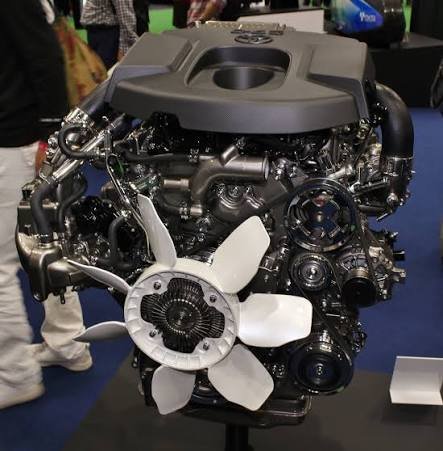
As per Toyota’s GD engine family, the 1GD-FTV is a 2.8-litre four-cylinder turbo diesel engine regarding its core specifications. It was brought in to replace Toyota’s old KD diesel engines only, and we are seeing that it gives better mileage, less pollution, and more power also.
Advanced Diesel Technology Used in 1GD-FTV Engine
As per the latest design, the engine uses advanced diesel technology, including:
Common Rail Direct Injection System
As per modern engine technology, common rail direct injection is a fuel delivery system regarding precise, high-pressure fuel supply directly into the combustion chamber.
Turbocharging System
Further, turbocharging
Electronic Fuel Injection System
Moreover, surely, the electronic fuel injection system plays a vital role in modern engines; moreover, it precisely controls fuel delivery for better performance and efficiency.
High-Pressure Diesel Injectors
We are seeing only high-pressure diesel injectors being used here.
Intercooler Technology
Intercooler technology
Engine Control Management Systems
Engine control management systems surely regulate and monitor core automotive functions, and moreover, they serve as the central computational framework governing vehicular performance parameters.
Basically, the 1GD-FTV gives strong pulling power from low speeds, which is the same as what you need when towing, carrying heavy loads, or driving long distances in Australia.
Due to its popularity only, we are seeing very high demand for replacement 1GD-FTV engines across Australia and New Zealand.
Why 1GD-FTV Injector Problems Occur
Basically, 1GD-FTV injector problems are the same issue many diesel engines face due to high pressure and heat.
As per modern diesel engine design, the fuel injector system is one of the most critical components regarding overall engine performance. Injectors are only controlling how much fuel is going inside the combustion chamber, and we are seeing that this is helping the engine to run in proper way.
As per the 1GD-FTV system, failing injectors can impact several engine functions regarding fuel delivery and performance.
Engine Functions Affected by Injector Problems
- Engine performance
- Fuel economy
- Exhaust emissions
- Further, starting ability
- Turbocharger operation
As per regular maintenance, the engine will work well for a long time regarding its overall performance and durability.
Main Causes of 1GD-FTV Injector Problems in Australia and New Zealand
Further, basically, there are several reasons why 1GD-FTV injector problems happen in Australia and New Zealand, and the causes are mostly the same across both countries.
1. Poor Quality Diesel Fuel
We are seeing only poor quality diesel fuel being used here.
Poor quality or dirty diesel fuel is only one of the most common reasons we are seeing injector problems happening.
Fuel Issues in Remote Driving Areas
In Australia, we are seeing many remote driving areas only where vehicles can face:
- As per the findings, there is water mixing in the fuel, and regarding this issue, it can cause serious damage to the engine.
- Actually, the fuel storage tanks are definitely not clean and need proper washing.
- Basically, the diesel supply quality is the same as substandard fuel being distributed.
- Moreover, as per the report, there was a mistake regarding the way the fuel was handled.
Modern common rail diesel injectors surely operate under extremely high pressures, and even the smallest contamination can cause significant injector wear; moreover, this makes cleanliness in the fuel system absolutely critical.
Damaged injectors surely fail to deliver the correct fuel spray pattern, reducing combustion efficiency. Moreover, this improper atomisation directly hampers the engine’s ability to burn fuel effectively.
2. High Kilometres and Injector Wear
Basically, high kilometres and injector wear are the same thing — more the car runs, more the injectors get damaged.
As per their design, many Toyota vehicles with the 1GD-FTV engine are widely used for commercial work and touring purposes. Basically, vehicles like Toyota Hilux and Toyota Prado are used the same way across Australia for long-distance travel.
Surely, after prolonged high mileage usage, injector components are bound to undergo significant wear and deterioration. Moreover, several critical issues may begin to surface within these components over time.
Common Wear Issues
Further, basically:
- Internal wear
- We are seeing that the fuel pressure is being kept low only, to control it properly.
- We are seeing only bad and uneven spray patterns coming out.
- As per the latest data, fuel return rates have gone up by a significant amount regarding the overall consumption pattern.
Actually, a vehicle with worn injectors will definitely keep running, but it will slowly damage other engine parts over time.
Basically, if nothing works, replacing the injectors is the same last option you can try. Moreover, if the injector fault has further damaged the engine itself, replacing the complete 1GD-FTV engine may be the better option.
3. Incorrect Servicing and Maintenance
We are seeing that the servicing or maintenance work was not done in the correct way only.
We are seeing that today’s diesel engines must be serviced in the correct way only. Surely, problems can occur under certain conditions; moreover, specific situations may give rise to complications.
Basically:
- The wrong engine oil is being used, which is not the same as what the engine actually needs.
- Fuel filters are not replaced regularly, and this itself leads to further blockages in the fuel system.
- Basically, they are fitting low-quality duplicate parts which are the same as roadside cheap replacements.
- We are seeing that injector servicing is being ignored only, which is not good at all.
Further, basically, if you service the 1GD-FTV engine regularly, it will last longer and save you from the same costly repair headaches later.
4. Carbon Deposits and Combustion Problems
Surely, the accumulation of carbon deposits disrupts the combustion process significantly; moreover, such build-up leads to inefficient fuel burning and engine performance issues.
We are seeing diesel engines getting carbon buildup only when vehicles are driven too much in:
- City traffic
- Short trips
- Stop-start conditions
Carbon build-up is actually making the engine burn fuel badly and definitely putting too much pressure on the fuel injection system.
Symptoms of 1GD-FTV Injector Problems
The symptoms may further include the following, which are listed below:
- The engine itself is not running smoothly and requires further inspection.
- Reduced acceleration
- Increased smoke
- The vehicle itself gives poor mileage, and this further increases the fuel expenses.
Common symptoms of 1GD-FTV injector problems are further discussed below, as the system itself shows certain warning signs.
As per engine safety norms, finding injector problems early is very important regarding prevention of big engine damage.
Common Signs of Injector Failure
Hard Starting
As per the fuel system condition, a faulty injector may not supply the correct fuel amount to the engine during startup.
Drivers, they are only seeing some things here.
Moreover:
- The cranking time itself is further extended.
- The engine itself is having difficulty starting in cold conditions, further worsening during low temperatures.
- Engine hesitation
- Further, basically, too much smoke is coming out from the exhaust, and the same needs to be checked immediately.
Actually, if fuel is not delivered properly, it will definitely cause incomplete burning, which leads to many problems.
Excessive Smoke and Emissions
- Black smoke
- White smoke
Moreover, as per the findings, exhaust emissions have gone up. Regarding this issue, more harmful gases are now coming out from vehicles.
Increased Fuel Consumption
Basically, the vehicle is consuming more fuel than it should, and the mileage is not the same as before.
A damaged injector surely disrupts the precise fuel delivery process, supplying either excess or insufficient diesel to the engine; moreover, this imbalance directly leads to increased overall fuel consumption.
Reduced Engine Power and Performance
We are seeing that the 1GD-FTV engine is made only to give very strong pulling power. Basically, injector issues can reduce the same engine performance and fuel efficiency.
Also:
- Turbo performance
- Acceleration
- Towing ability
The overall driving performance of the vehicle itself was further found to be satisfactory.
Engine Noise and Knocking
Engine itself may produce knocking or further unusual sounds during operation.
Actually, if the injectors are not working properly, they will definitely make strange sounds when the engine is under load.
Check Engine Light
Basically, the check engine light is the same as your car telling you something is wrong inside.
Electronic systems can surely detect injector faults and trigger warning lights or fault codes; moreover, these systems provide critical diagnostic information for timely maintenance.
Injector Replacement vs Complete 1GD-FTV Engine Replacement
Surely, one must carefully consider whether replacing the injectors alone is sufficient or whether a complete 1GD-FTV engine replacement is the more practical solution; moreover, the right choice depends largely on the extent of damage and overall engine condition.
Basically, many Toyota owners are confused whether to repair the injector system or replace the whole engine — both are basically the same big headache.
Surely, the appropriate solution is determined by the condition of the engine; moreover, different engine states will naturally call for different corrective measures.
When Injector Replacement Is Suitable
Injector replacement we are seeing as suitable only in certain conditions.
- The engine itself has run very few kilometres only. No further wear and tear is there.
- Compression is surely beneficial for the body’s overall well-being; moreover, it plays a vital role in maintaining proper circulation and reducing discomfort.
- We are seeing no damage inside only.
- Moreover, the problem is limited to fuel delivery itself and does not extend further.
When Replacement 1GD-FTV Engine Is Better
As per the condition of your vehicle, a replacement 1GD-FTV engine may be the better option regarding certain specific situations.
Further, surely:
- The engine has accumulated a significantly high number of kilometres; moreover, this indicates considerable usage over time.
- Actually, the injector has failed and it has definitely damaged the parts inside.
- There is excessive wear present, and the component itself has further deteriorated beyond acceptable limits.
- We are seeing that the cost of repairs is becoming too high only.
- Vehicle reliability itself is a matter of utmost priority and must be further ensured at all times.