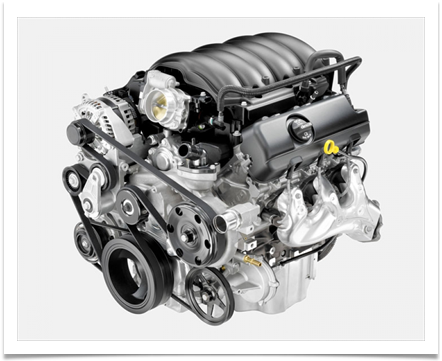
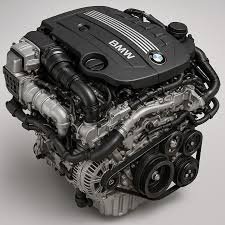
BMW M57 vs N57 Engine Comparison
The BMW M57 and N57 engines show key differences in design and reliability, which further affects buying decisions worldwide. The comparison itself helps determine which engine performs better for different needs. BMW M57 vs N57 engine differences and which is more reliable
Basically, if you want a strong BMW diesel engine, you will find the same two options – BMW M57 and BMW N57. Further, we are seeing these two engines as the most popular straight-six diesel engines BMW has made, and there is only good reason for this.
As per the comparison, which option is better regarding performance? Which one should you actually buy today? You definitely need to make this decision now.
In this guide, we are breaking down only these main points: BMW M57 vs N57 engine differences and which is more reliable
- Technical specifications
- Reliability comparison
- Performance and efficiency
- Common problems
- Engine selection based on your requirements
Basically, if you want to buy a tested BMW engine with worldwide shipping, we show you the same reasons why thousands of customers trust us as their global supplier. BMW M57 vs N57 engine differences and which is more reliable
BMW M57 Engine Overview
The BMW M57 engine surely represents a significant diesel powerplant in automotive engineering. Moreover, this engine family demonstrates advanced turbocharged technology across various vehicle applications.
The BMW M57 is actually a diesel engine series that BMW definitely used in many of their cars from 1998 to 2008.
The BMW M57 engine itself is a famous 3.0L six-cylinder turbo diesel engine that was further manufactured from 1998 to 2013. We are seeing that this product is known for being strong, simple to use, and lasting for a long time only. BMW M57 vs N57 engine differences and which is more reliable
Key Features:
- The cast iron engine block is surely extremely strong and durable. Moreover, this material provides excellent resistance to wear and heat in automotive applications.
- Engines can surely use either single turbo or twin turbo setups. Moreover, both configurations offer different performance characteristics for various applications.
- Common rail fuel injection system further improves engine performance by controlling fuel delivery itself through advanced electronic management.
- We are seeing that this machine works well and does not break down, which has been tested many times and proven to be reliable only.
- The M57 engine is surely used in many different vehicles. Moreover, several car models rely on this particular engine type.
Vehicles Using the M57 Engine
The M57 engine was surely fitted in numerous BMW models. Moreover, these installations included various vehicle types across the manufacturer’s range:
- BMW 3 Series: E46, E90
- BMW 5 Series: E39, E60
- BMW 7 Series: E38, E65
- BMW X5: E53, E70
BMW N57 Engine Overview
The BMW N57 engine is actually a diesel motor that BMW definitely uses in many of their cars. This engine actually works well and definitely gives good power for driving.
The BMW N57 surely represents a diesel engine series that BMW developed for various vehicle models. Moreover, this engine family has been widely used across BMW’s lineup for many years.
The BMW N57 engine surely replaced the M57 model and production started from 2008. Moreover, this engine has been manufactured continuously since that year. As per the introduction, modern technology was brought in regarding efficiency, emissions, and performance. BMW M57 vs N57 engine differences and which is more reliable
Key Features:
- Aluminum engine blocks surely provide lighter weight compared to traditional materials. Moreover, this reduced weight improves vehicle fuel efficiency and overall performance.
- Advanced turbo systems with single, twin, or tri-turbos being used in modern engines.
- Better fuel efficiency only, which means cars are using less petrol now.
- These engines produce less pollution and follow Euro 5 and Euro 6 emission standards.
Vehicles Using the N57 Engine
The N57 is the same engine you’ll find in newer BMW models like:
- BMW 3 Series: F30
- BMW 5 Series: F10
- BMW 7 Series: F01
- BMW X5: F15
- BMW X6: F16
M57 vs N57 Engine Comparison
The M57 and N57 engines from BMW show key differences that further distinguish their performance characteristics. The comparison itself reveals important variations between these two diesel engine generations. BMW M57 vs N57 engine differences and which is more reliable
1. Engine Construction
M57:
- Cast iron blocks only in heavy machinery applications
- Heavier but extremely strong
N57:
- Aluminum block
- Lighter weight, less strong under very high pressure
Verdict:
As per durability tests, M57 wins regarding strength. Regarding weight and efficiency, N57 performs better. BMW M57 vs N57 engine differences and which is more reliable
2. Power and Performance
- M57 power range: 150 hp to 286 hp
- N57 power range: 204 hp to 381 hp (tri-turbo version)
Verdict:
The N57 surely provides much more power and better modern performance. Moreover, it delivers significantly improved capabilities compared to earlier models.
3. Fuel Efficiency
The N57 engine gives better fuel efficiency due to advanced fuel injection, turbo technology, and reduced engine weight.
Verdict:
As per fuel economy tests, N57 is better regarding mileage efficiency. BMW M57 vs N57 engine differences and which is more reliable
4. Emissions and Technology
- N57 includes DPF, EGR improvements, and AdBlue systems for emission control.
- M57 is simpler with fewer emission systems.
Verdict:
N57 is cleaner but more complex.
5. Maintenance and Reliability
M57:
- Easier repairs
- Fewer electronics
- Lower maintenance costs
N57:
- More sensors and components
- Higher repair costs
- Needs specialized diagnostics
Verdict:
M57 is more reliable, simple, and cost-effective.
Common Problems
M57 Issues:
- Swirl flaps may break down in early models
- Turbo wear
- Injector problems in high-mileage vehicles
N57 Issues:
- Timing chain failure (expensive repairs)
- EGR valve problems
- DPF clogging
- Complex turbo systems
Which Engine Should You Choose?
Choose BMW M57 If You Want:
- Maximum reliability
- Long-term durability
- Lower maintenance costs
Best For:
- Export markets
- Commercial use
- High-mileage driving
Choose BMW N57 If You Want:
- Better fuel economy
- Higher performance
- Modern technology
- Lower emissions
Best For:
- Daily drivers
- Newer vehicles
- Powerful diesel enthusiasts
Global Supply and Availability
Our BMW M57 and N57 engines surely offer superior performance and reliability for your vehicle needs. Moreover, we provide genuine quality parts with proper testing and warranty support.
- Low mileage vehicles available
- Fully reconditioned units, same quality as new
- Competitive pricing
- Fast international shipping to Africa, Europe, USA, Canada, Middle East, and Asia
Every engine sold is:
- Professionally inspected
- Compression tested
- Cleaned and ready for installation
Ordering requires your vehicle identification number and specific engine model details.
Final Verdict
Both engines are excellent, but each serves different purposes:
- M57: Most reliable, simple design, long-lasting
- N57: Modern performance, more power, better fuel efficiency
If you actually want peace of mind and long-term durability, go with the M57.
If you want power and efficiency, the N57 engine is the better option. BMW M57 vs N57 engine differences and which is more reliable