Used Engine DS11 for Sale: What Fleet Buyers Need to Know Before Ordering
If you’re running an older Scania truck or bus and the search that brought you here was “used engine DS11 for sale,” you already know how thin the supply has gotten. This engine hasn’t been in production for decades, and finding a genuinely tested, honest unit — rather than a rusted core someone’s trying to move fast — takes more digging than it used to. We keep a rotating stock of DS11 units, tested before they leave our hands, and this page covers what the engine actually is, where it was used, what tends to fail on it after this many years, and what you should expect from a replacement.
What the DS11 Actually Is
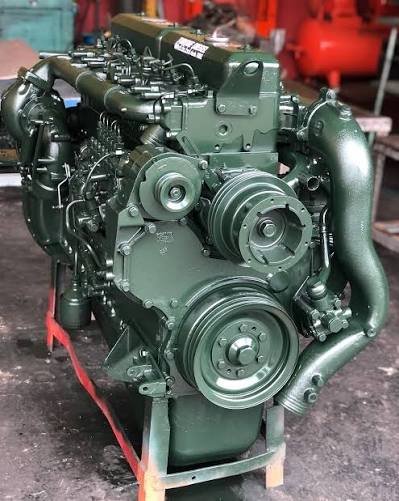
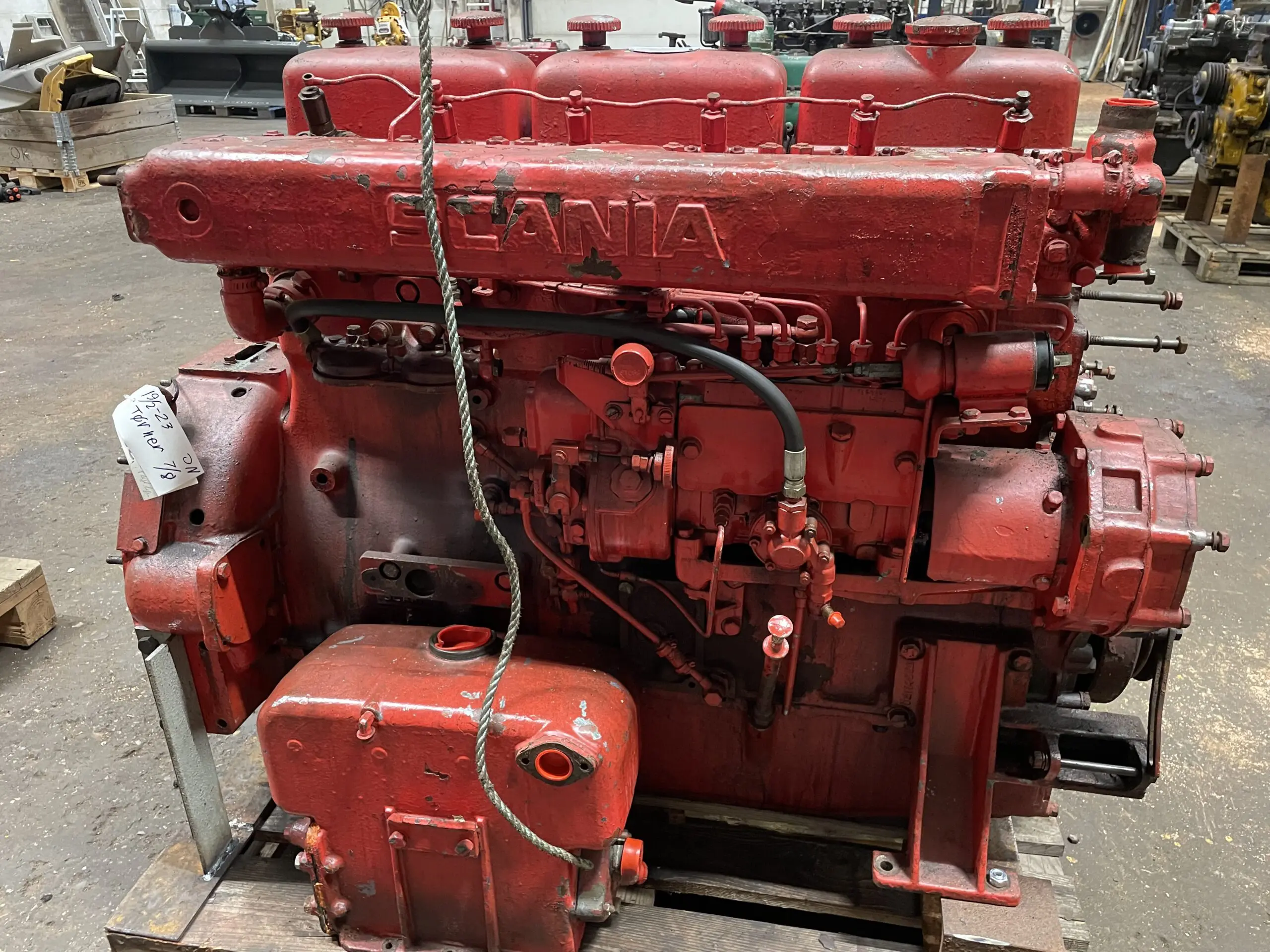
The DS11 is an 11-litre, inline-six, naturally aspirated diesel that Scania fitted to its Scania 2-series and 3-series trucks and the N113 bus chassis from the mid-1980s through the 1990s. The DS11 designation covers the naturally aspirated version of the family; the DSC11 is the turbocharged, intercooled variant of essentially the same architecture, and you’ll often see the two mentioned together because they share so much of the same core engineering.
Depending on the specific rating a given truck or bus was fitted with, output across the family ranged from around 260 hp up to the mid-300s on the higher-output DSC11 variants used in heavier haulage applications.
This is a mechanically injected, cast-iron, overbuilt truck engine from an era when Scania’s reputation for longevity was already well established. It doesn’t have the sophistication of a modern common-rail engine, but it also doesn’t have the failure modes that come with one — no injector electronics, no DPF, no AdBlue system to go wrong. That’s exactly why so many of these trucks and buses are still on the road, and why owners keeping one running are usually looking for a like-for-like replacement rather than a modern swap.
Scania DS11 Specifications
- Displacement: approx. 11.0 litres
- Configuration: Inline-6, cast-iron block, overhead valve/pushrod
- Aspiration: Naturally aspirated (DS11); turbocharged and intercooled in the related DSC11
- Fuel system: Mechanical direct injection
- Power output: approx. 260–360 hp depending on the specific rating and variant
- Engine family: Scania’s 11-litre range (DN11/DS11/DSC11/DTC11 variants)
- Primary applications: Scania 2-series and 3-series trucks (P92/R92, P113/R113/T113), Scania N113 bus chassis
- Production era: Mid-1980s through the late 1990s
Exact figures vary by market and specific rating, since Scania offered this engine across a wide power band to suit different truck and bus configurations, so it’s worth confirming your exact chassis designation with us before ordering.
Where the DS11 Was Fitted
The core applications are Scania’s 2-series and 3-series heavy trucks — badged as P92, R92, and later P113, R113, and T113 depending on cab and configuration — and the N113 bus chassis, which Scania produced in single-decker, double-decker, and articulated forms between 1988 and 2000. If you’re running a truck or bus from this era with an 11-litre Scania engine under the cab, there’s a good chance it’s a DS11 or one of its close relatives, and we’ll confirm the exact variant from your chassis or engine plate before we send anything.
What Actually Goes Wrong at This Age
An engine this old fails for slightly different reasons than a modern one — age and hours matter as much as the original design.
Cylinder liner and ring wear
After hundreds of thousands of kilometres of heavy haulage work, it’s normal to see compression drop from liner and ring wear. Increased oil consumption, blue-tinged smoke under load, and a gradual loss of pulling power are the usual signs, and on a high-hour DS11, this is the single most common reason operators start looking for a replacement rather than another rebuild.
Injection pump wear
The mechanical injection pump on these engines is robust but not immortal — decades of use wear the internal components, leading to uneven fuelling between cylinders, harder starting, and smokier running. A good diesel pump specialist can often recalibrate or rebuild it, but sourcing parts for a pump this old is getting harder every year, which is part of why a tested replacement engine, with its pump already sorted, is often the more practical route.
Cracked or corroded cooling components
Decades-old coolant passages and gaskets are prone to corrosion and cracking, especially on engines that have sat unused for stretches between owners. Coolant loss, overheating, and head gasket failure often trace back to a cooling system that’s simply reached the end of its practical service life rather than any fault in the engine’s core design.
General age-related wear
Seals, gaskets, and rubber components degrade with age regardless of how many kilometres the engine has actually covered, particularly on units that have spent time in storage. This is exactly why we don’t sell a DS11 purely on the strength of “low mileage” — we test it, because a low-hour engine that’s been sitting for fifteen years can need just as much attention as a high-hour one that’s been running consistently.
What We Check Before an Engine Ships
- Compression tested across all six cylinders
- Injection pump function and fuelling balance checked
- Block and head inspected for cracks, corrosion, and prior repair welds
- Cooling passages checked for blockage or corrosion damage
- Seals and gaskets assessed and replaced where age has clearly taken its toll
- Bench run where our facility allows, to confirm oil pressure and even running across all cylinders
Given how old this engine platform is, we lean more heavily on hands-on inspection than paperwork alone — a compression and leak-down test tells us far more about a DS11’s real condition than a logbook from a truck that changed hands three times in the 1990s.
DS11 or DSC11 — Confirm Before You Order
Because the naturally aspirated DS11 and the turbocharged DSC11 share so much core architecture, it’s worth being precise about which one your truck or bus actually needs. Fitting the wrong variant can mean turbo plumbing, intercooler ducting, or boost-related fuelling that doesn’t match your chassis. Give us your engine plate details or chassis number and we’ll confirm the exact match rather than assume “11-litre Scania” is specific enough.
Worldwide Shipping
An engine this size and weight needs proper freight handling, and we ship DS11 units internationally by sea and air depending on urgency and budget. Every engine is drained, sealed at the intake and exhaust ports, and secured to a heavy-duty pallet before crating, and we’ll give you a realistic delivery window once we know your destination country and preferred shipping method.
Warranty
Every DS11 we sell carries a standard warranty from delivery, and given how hard it can be to source parts for an engine this old elsewhere, we think that matters more here than on a newer platform. If something’s wrong that our testing should have caught, we sort it directly rather than leaving you to chase down a part on your own.
Keeping an Old Fleet Truck Running vs Replacing It
For a lot of our customers running Scania 2-series and 3-series trucks or older N113 buses, the vehicle itself is either a project, a piece of working history, or simply cheaper to keep running than to replace with something modern once you account for finance and depreciation. A tested replacement DS11 is almost always the more sensible route compared to swapping in a completely different engine platform, since it avoids re-engineering mounts, driveline, and cooling systems that were designed around this specific engine’s dimensions and output.
Unless you have a specific reason to modernise the drivetrain, keeping the original engine family running is the path most owners of vehicles this age end up choosing, and it’s the one we can support best with parts knowledge and testing experience specific to this platform.
A Bit of History: Where This Engine Family Came From
Scania’s 11-litre engine range grew out of the company’s push through the late 1970s and 1980s to build a genuinely modular family of diesels that could scale from mid-range distribution trucks up to heavy long-haul tractors, just by changing the number of cylinders and the state of tune. The DS11 and its turbocharged sibling the DSC11 sat in the middle of that range, and they earned their reputation the hard way — running long-haul routes across Europe and beyond in an era when reliability meant a driver actually got paid on time, not just a warranty claim processed later.
That reputation is a big part of why trucks and buses built around this engine are still working today, decades after Scania moved on to newer platforms.
Rebuild or Replace — The Real Cost Comparison
Rebuilding an engine this old in place means machining decades-worn bores, sourcing liners and rings that aren’t sitting on a shelf at your local parts counter, and paying skilled labour rates for work that takes real time to do properly. By the time you’ve added up machining, parts sourcing (often with its own delays given how scarce new-old-stock components for this platform have become), and the labour to pull and refit the engine twice, the total frequently lands at or above the cost of a tested, ready-to-install replacement.
The maths shifts back toward rebuilding if your specific truck has sentimental or historical value that makes keeping the exact original block important to you — that’s a legitimate reason plenty of owners choose to rebuild rather than replace, and we’re happy to help source parts for that route too if that’s the path you’d rather take.
Red Flags to Watch For When Buying an Engine This Old
The used and vintage commercial engine market has its share of sellers moving on engines that have sat outside for years, with corrosion inside the bores that no amount of cosmetic cleaning will fix. A few things worth asking any seller, including us: has the engine actually been turned over and run, not just spun by hand? Is there a real compression test result, or just a claim that it “ran when parked”? Was it stored under cover, or has it been sitting exposed to the weather?
An engine that’s been sitting for a decade with the injectors still in place and the intake sealed is a very different proposition to one that’s been sitting open to the elements with rust visible down the bores. We test every DS11 we sell precisely because “it’s old but it’s a Scania” isn’t good enough on its own — storage condition matters as much as original build quality on an engine this age.
Sourcing Parts for an Engine This Old
One thing worth being upfront about: because the DS11 hasn’t been in production for a long time, ancillary parts — specific pump components, some gaskets, certain sensors on later variants — are getting harder to source new. When we sell a complete tested engine rather than a bare block, that’s partly why: it saves you from separately hunting down ancillaries that are increasingly scarce. If you’re rebuilding rather than replacing and need help sourcing a specific component, ask us anyway — between the engines we part out and our supplier network, we can often point you in the right direction even for parts we don’t stock outright.
Not Just Trucks and Buses Anymore
We also get inquiries for this engine from outside the original truck and bus market entirely — industrial generator sets, marine repower projects, and pumping applications where an overbuilt, mechanically simple, naturally aspirated diesel is exactly what’s wanted, and modern electronic engines with their sensor networks are actively unwelcome. If that’s your use case rather than a like-for-like truck replacement, tell us upfront — the mounting, cooling, and PTO requirements for a stationary or marine application are different from a highway chassis, and we can help make sure the engine you get is actually set up for what you’re building rather than what it originally came out of.
Related Reading
If you’re weighing up a DS11 against other options in the same weight class, our Scania P114 engine for sale page covers a newer platform from the same manufacturer, and our general used diesel engine for sale page runs through what to check regardless of which make or model you end up buying.
Frequently Asked Questions
How do I confirm I need a Used Engine DS11 for sale and not a DSC11 or a different rating?
Check the engine plate on the block, or give us your chassis number and we’ll confirm the exact designation and rating before you order.
Is a 30-plus-year-old engine really worth buying used rather than rebuilding what I have?
It depends on your current engine’s condition, but often yes — a tested unit that’s already had its compression, pump, and cooling system checked can be more reliable than a rebuild that only addresses the specific fault you already know about, while leaving other age-related wear untouched.
What’s included with the engine?
Standard packages include the complete long block with injection pump fitted and tested. Tell us if you need specific ancillaries included, such as the turbo assembly for a DSC11, and we’ll confirm availability.
Do you ship this engine internationally?
Yes, we ship worldwide by sea and air freight. Send us your location and we’ll confirm cost and timing.
Can you help me identify parts if I’m rebuilding my original engine instead?
Yes. Even if you don’t end up buying a complete engine from us, we’re glad to help point you toward the right specification for liners, gaskets, or pump components if you’re rebuilding in place.
How do you store and protect the engine before it ships?
Tested engines are drained, treated internally to prevent corrosion during transit, and have their intake and exhaust ports sealed before crating. We don’t leave a tested engine sitting exposed after it’s passed inspection.
Ready to Order
If your Scania 2-series, 3-series, or N113 bus needs a dependable replacement, send us your chassis or engine plate details and we’ll confirm current stock, condition, and a shipping quote for your country. We keep a genuine, tested used engine DS11 for sale whenever we can source one, and given how scarce this platform is getting, we’d rather be upfront about exactly what condition it’s in than oversell a tired core.