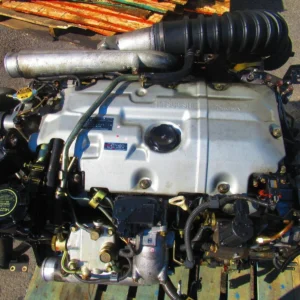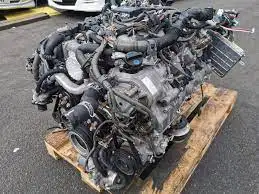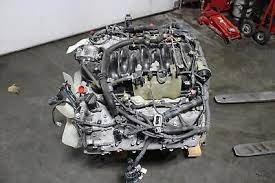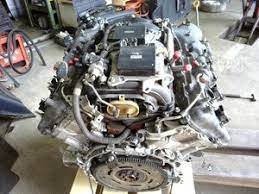
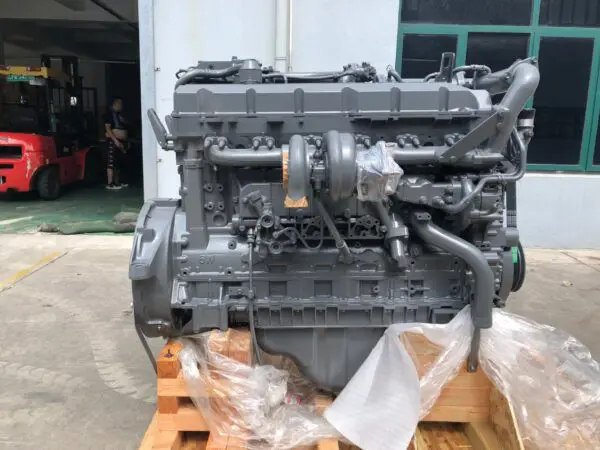
If you’re looking for an Isuzu 6WG1 engine for sale, you’re shopping for one of the biggest, toughest diesels Isuzu builds. This is a 15.7-liter inline-six that shows up in heavy trucks, buses, excavators, generators, and industrial power units because it’s built to run at full load for thousands of hours without giving up. We keep tested Isuzu 6WG1 engines in stock, we check every one before it leaves our shop, and we ship worldwide, so wherever your truck, machine, or project is sitting, we can get a verified engine to you without the guesswork that comes with buying blind off an auction listing with no real history behind it.
This page covers what the 6WG1 actually is, the real specifications behind it, what it’s used in, what we check before calling one ready to ship, and how buying and shipping works. If you’ve been searching for an Isuzu 6WG1 engine for sale and want straight facts instead of a sales pitch, keep reading.
What Is the Isuzu 6WG1 Engine?
The 6WG1 is Isuzu’s big-bore, heavy-duty inline-six diesel, built as part of the same W-series family that includes the smaller 6WA1 and 6WF1. At nearly 15.7 liters, it’s one of the largest engines Isuzu produces, and it’s designed specifically for applications where sustained torque and reliability under continuous heavy load matter more than anything else. You’ll find it under the hood of Isuzu’s heavy Giga-class trucks, in transit and coach buses, and it’s also a common power source in construction equipment, most notably in large hydraulic excavators, where its combination of displacement and low-RPM torque makes it a natural fit for driving hydraulic pumps all day long.
Isuzu builds the 6WG1 in a range of output ratings depending on the application, from lower-output truck and bus versions up to high-output industrial variants used in excavators, generators, and stationary power equipment. That range exists because a bus engine and an excavator engine ask for different things from the same basic architecture, and Isuzu tunes the fuel system and turbo setup accordingly rather than building one output level for everything.
Isuzu 6WG1 Engine Specifications
Here’s what you’re actually getting when you buy a 6WG1. These are the core mechanical specifications for the engine family, confirmed against Isuzu’s own factory documentation, and we’ll confirm the exact rating and configuration of the specific unit we have in stock when you reach out.
| Spec | Detail |
|---|---|
| Engine family | Isuzu 6WG1 (W-series) |
| Configuration | Inline-6, water-cooled, 4-stroke, 24-valve OHC |
| Displacement | 15.68L (956.9 cu in) |
| Bore | 147 mm (5.79 in) |
| Stroke | 154 mm (6.06 in) |
| Compression ratio | 16.5:1 |
| Aspiration | Turbocharged, wastegate or variable configuration depending on rating |
| Fuel system | Electronic common rail direct injection |
| Horsepower range | Roughly 286 to 513 hp (290 to 520 PS) depending on rating |
| Peak torque (high-output industrial rating) | Up to 2,200 Nm (1,622 lb-ft) at 1,450 rpm |
| Electrical system | 24-volt |
| Emissions compliance (later variants) | EPA Tier 4, EU Stage IV |
That’s a big spread in output because the 6WG1 gets tuned differently for a Giga truck, a transit bus, and a large excavator running a hydraulic pump around the clock. Tell us your exact application and, if you have it, the specific engine code or the machine or vehicle it’s coming out of, and we’ll confirm which rating and configuration fits before you buy.
What the 6WG1 Is Used In
The 6WG1 shows up across a genuinely wide range of equipment. On the road, it powers Isuzu’s Giga-series heavy trucks and transit and coach buses that need serious torque for stop-and-go loaded running. Off the road, it’s a common engine choice in large hydraulic excavators, including well-known models from major construction equipment brands that specify Isuzu diesels for their bigger machines, where the engine’s low-RPM torque curve is exactly what a hydraulic pump wants. It also turns up in industrial and stationary applications, generators, water pumps, asphalt pavers, and irrigation systems, anywhere a facility or contractor needs a reliable big diesel that can run for extended periods without babysitting.
If you’re not sure whether the 6WG1 we have in stock matches your truck, bus, or machine, tell us what it’s coming out of or going into, and we’ll confirm fitment and rating before anything ships, since the truck ratings and the high-output industrial ratings aren’t interchangeable without checking.
Why Buyers Choose a Tested Isuzu 6WG1 Engine For Sale
Most people looking for an Isuzu 6WG1 engine for sale have already priced a factory remanufactured unit or a full independent rebuild and landed on used and tested for one simple reason: this is a big, expensive engine, and a full rebuild on something this size gets costly fast once you add up machine work, injectors, turbo rebuild or replacement, and labor on a 15.7-liter block. A tested used 6WG1 that’s already proven it runs clean, holds oil pressure, and doesn’t smoke gets a truck, bus, or machine back to work for a fraction of that cost, and considerably faster.
There’s also the reality that this engine size doesn’t sit on every shop’s shelf. Sourcing a verified used unit and having a competent shop handle the install is often the quickest way to get heavy equipment or a truck back in service, instead of waiting weeks on a specialty parts order and a full teardown.
A lot of our repeat customers are fleet operators and equipment shops who’ve been burned before by an engine listed as tested that turned out to be a smoker with a cracked turbo housing hidden under a fresh coat of paint. We don’t do that. If an engine doesn’t check out, it doesn’t ship as a running unit.
What a Used Engine Inspection Actually Catches
Before any 6WG1 in our inventory gets listed as tested and ready, someone actually puts hands and eyes on it. That means a compression check across all six cylinders to confirm the rings and valves are sealing properly, a look at oil condition and the drain plug or filter for metal that would point to bearing or piston wear, a check of the turbo for shaft play and oil leaks, and a check of coolant for any sign of oil or exhaust contamination that would flag a head gasket problem.
Where possible, we also run the engine, listen for knock or unusual noise, check for smoke under load, and confirm oil pressure holds where it should at idle and higher RPM. If an engine doesn’t pass, it doesn’t go out labeled as a tested, running 6WG1. It’s either repaired first or sold honestly as a core or parts unit and marked as exactly that. That distinction is the whole reason to buy from someone who actually tests instead of someone who just lists whatever comes through the door.
Common Issues to Know About
No engine this size and this heavily worked is issue-free, and it’s worth knowing what to watch for before you buy from anyone. Turbo wear and oil seal leaks are common on higher-hour units given how hard this engine typically runs, which is why we specifically check turbo shaft play before anything ships. Injector wear on high-hour common rail units can show up as rough idle, hard starting, or a noticeable power drop, and it’s usually one of the first things we check because the electronic common rail system is well understood and easy to diagnose. Head gasket issues can show up on units that were run hot or low on coolant at some point in their life, which is exactly why we check compression and coolant condition specifically. And on excavator and industrial pulls, it’s worth confirming hour meter history and service records where available, since duty cycle matters a lot on an engine this size.
None of this makes the 6WG1 a bad engine to buy used. It means the inspection has to be real and specific to how hard this class of engine typically gets worked, not a generic once-over.
Comparing a Used 6WG1 to a Remanufactured or New Option
A lot of buyers searching for an Isuzu 6WG1 engine for sale started out pricing a factory remanufactured engine or a full rebuild first and backed off once they saw the total with labor included. Going new or factory remanufactured makes sense if the truck, bus, or machine is going to stay in service for years and the budget supports it. But for a lot of fleets and contractors, especially on equipment that already has some age on the rest of the driveline or hydraulics, that math doesn’t work.
A tested used 6WG1 sits in the middle. You’re not paying a rebuild premium for parts and machine work you can’t verify, and you’re not gambling on an untested core either, since we’ve already run compression and functional checks before it’s listed. For most operators weighing a repair against the value of the equipment, that’s the option that actually makes financial sense.
How We Source Our Inventory
We don’t build our 6WG1 inventory by buying blind at auction and hoping for the best. These engines come out of trucks, buses, and equipment being retired or parted for reasons that have nothing to do with the engine itself, a cracked frame, a totaled cab, hydraulic system failure on an excavator, or a fleet simply cycling out older units on a replacement schedule. When one comes in, it goes through our inspection process before it’s ever listed, and we keep notes on where it came from and what we found so we can give you a straight answer instead of a guess when you call.
The used heavy diesel market has its share of sellers who don’t test anything and just move inventory as fast as possible. We’d rather sell fewer engines to customers who trust what we tell them than move volume on units we haven’t verified ourselves.
Installation Notes for Your Shop
If your shop is handling the install, a few things are worth confirming up front. Check mounting points and accessory brackets against the specific rating and application you’re installing into, since truck, bus, and industrial mounting configurations can differ even on the same core engine. Confirm ECM and wiring harness compatibility if you’re not reusing the original harness, and verify injector and turbo connections against the engine’s documentation before you start bolting things together. Fresh gaskets, seals, and fluids on install are worth the extra cost every time, since an engine that tested clean on our end can still develop a leak from an old gasket that wasn’t replaced during the swap. On excavator and hydraulic applications specifically, double-check pump drive and coupling alignment before final assembly.
Signs Your Current Engine Needs Replacing
If you’re not sure whether you need a replacement 6WG1 or just a repair, a few signs point toward replacement rather than another round of patchwork. Persistent low compression across multiple cylinders that doesn’t trace back to one bad injector or valve usually means the block or heads have worn past the point where a repair makes sense. Metal in the oil, especially fine metal on a magnetic drain plug, points to bearing or cylinder wear that’s only going to get worse. Coolant that’s disappearing with no visible external leak, or oil that’s milky, usually means a head gasket or cracked component, and on an engine this size, that’s often the point where replacement costs less over time than another repair.
If any of that sounds familiar, it’s worth getting a straight quote on a tested 6WG1 before you sink more money into a repair that might not hold.
Payment and How Shipping Actually Works
Once we’ve confirmed the rating and fitment for your truck, bus, or machine, we take payment, crate the engine properly, and ship it out. We ship worldwide, so wherever you’re located, we can quote freight to your door or to a freight terminal near you, whichever works better for your setup. An engine this size travels on a pallet or in a crate depending on the shipping method, and we photograph it before it leaves so you have a clear record of its condition at the time it shipped.
We’re upfront about lead times and freight costs before you pay anything, not after. If something about the shipping estimate doesn’t work for your timeline or location, tell us and we’ll figure out the best option together.
More Frequently Asked Questions
Will this fit my truck, bus, or excavator without modification?
Usually yes if you’re replacing a factory 6WG1 with a matching rating, but mounting points and accessory drives can differ between applications. Tell us your exact vehicle or machine and we’ll confirm before you buy.
Do you sell the engine with the turbo and injectors included?
Each listing specifies exactly what’s included. Ask us directly if you need the ECM, wiring harness, turbo, or accessories, and we’ll tell you what’s on the specific unit we have.
How many hours does a used 6WG1 typically have?
It varies by unit. We disclose what we know about the engine’s history and hours when available, and we’re honest when that history isn’t fully documented, because compression and inspection results matter more than an hour meter reading nobody can independently verify.
Can I get a warranty on a used engine like this?
Ask us about the current warranty terms on the specific unit you’re considering. We stand behind what we test and sell.
Do you only sell to buyers in the United States?
No. We ship worldwide. Wherever your shop, fleet, or project is located, reach out and we’ll work out freight to get the engine to you.
Where the 6WG1 Sits in Isuzu’s Diesel Lineup
It helps to know where this engine fits relative to its relatives. The 6WG1 is the largest member of Isuzu’s W-series inline-six family, sitting above the smaller-displacement 6WA1 and 6WF1 that cover lighter-duty applications. It’s also worth knowing it in the same conversation as Isuzu’s other heavy-duty sixes, since a lot of our customers cross-shop between them depending on what’s available and what fits their specific application. If you’re not sure whether the 6WG1 is the right fit compared to a related Isuzu diesel, tell us what you’re working on and we can help you figure out the right match. You can also check our other Isuzu offerings, including our Isuzu 4HG1 engine for sale and our Isuzu 6HE1 engine for sale, if a smaller-displacement option fits your project better.
Why Duty Cycle Matters When Buying This Engine
One thing worth understanding before you buy any big diesel like the 6WG1 is that duty cycle tells you more about an engine’s real condition than mileage or hours alone. An engine that spent its life idling in a yard truck application ages very differently than one that ran wide open on an excavator’s hydraulic pump eight hours a day, even if the hour meters look similar. That’s part of why we don’t just take a seller’s word for hours and call it done. We test compression, check for metal in the oil, and inspect the turbo and injectors directly, because those checks tell you what the engine actually experienced, not just what a gauge claims.
If you know the specific application your replacement 6WG1 came out of, tell us. It helps us set your expectations correctly and helps you understand what kind of service life you’re likely to get out of it going forward, especially if you’re planning to run it in a similarly demanding application.
What a Failed Engine Actually Costs You
It’s worth being blunt about what happens when an engine this size lets go completely. A spun bearing or a catastrophic turbo failure on a 15.7-liter six doesn’t stay contained to one part. Metal debris from a bottom-end failure can travel through the oil system and damage bearings elsewhere in the engine, and a turbo failure can send debris into the intake or exhaust tract. On an excavator or a heavy truck, that kind of failure usually means the machine or vehicle sits idle for weeks while parts get sourced and a full teardown happens, which is its own cost on top of the repair bill.
That’s why a full rebuild after a real failure on this engine often ends up costing more, in both money and downtime, than sourcing a tested replacement outright. If your current 6WG1 has already shown warning signs, knocking, a noticeable loss of power, or visible metal in the oil, getting ahead of it with a tested replacement engine is usually the cheaper and faster path compared to waiting for a full failure in the field.
Bottom line
If you need an Isuzu 6WG1 engine for sale that’s actually been checked before it ships, not just cleaned up and photographed, that’s what we do. Compression tested, inspected for the failure points common on this platform, and shipped worldwide with clear communication about condition and lead time. Contact us with your application and we’ll confirm the right rating and get you a quote. You can also browse our full Isuzu Engines category. For general background on this engine family and its place in Isuzu’s lineup, see Isuzu’s engine family history. Ready to move forward? Contact us and we’ll get your engine on the way.