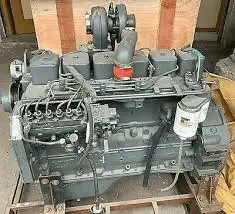
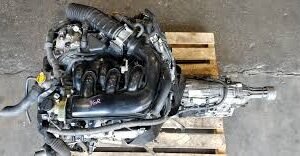
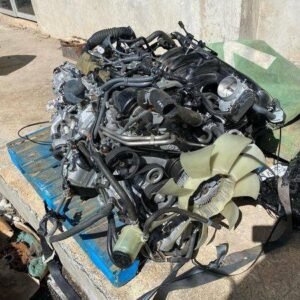
If you’re searching for a Cummins 6BT engine for sale, you already know why: this is the engine diesel guys build entire projects around. Simple, mechanical, no computer telling it what to do, and tough enough to run for a quarter million miles between rebuilds if it’s taken care of. We’ve got a tested 5.9L 6BT in stock, and we’re not going to bury the details you actually need under marketing fluff.
On this page:
- Why the 6BT has such a following
- What you’re actually getting
- Full specifications
- What this engine fits and common swaps
- How we test every used engine
- Shipping worldwide
- FAQ
Why the 6BT has such a following
A Cummins 6BT engine for sale gets attention from two completely different kinds of buyers, and both have good reasons. The first is a Dodge Ram owner from the 1989-1998 era whose original 12-valve finally needs a rebuild or replacement and wants a proven unit rather than a gamble. The second is a swap guy putting this engine into something it was never designed for, a Jeep, a boat, an old pickup that came with a gas engine, because the 6BT is mechanically simple enough to run without a factory computer and tough enough to handle the abuse of a first-time swap.
We’re not going to oversell this. It’s a used engine with real hours on it, and we’ll tell you plainly what we found during inspection. What we can tell you is that this unit came out of a running application, not a truck that died from a bottom-end failure, and it’s been checked accordingly before we priced it.
What you’re actually getting
Here’s the plain version, no marketing spin. This Cummins 6BT engine for sale is the mechanically-injected, 12-valve inline six that Cummins built from the mid-1980s through 1998, before the electronically controlled 24-valve took over. That mechanical injection is exactly why this engine is so sought after for swaps: no wiring harness to chase down faults on, no sensors to fail, and a fuel system a competent diesel mechanic can service with hand tools and a timing light.
It’s a cast iron block and head, which is part of why these engines survive high mileage and abuse that would kill an aluminum design. Heavy, yes, but that mass is exactly what lets a 6BT take a beating and keep running.
Full specifications
| Engine code | 6BT (Cummins B Series) |
| Configuration | Inline 6-cylinder, 12-valve, turbocharged diesel |
| Displacement | 5.9L (359 cu in / 5,883 cc) |
| Bore x stroke | 4.02 in x 4.72 in (102 mm x 120 mm) |
| Compression ratio | 17.5:1 |
| Horsepower | 160-230 hp at 2,500 RPM, depending on year and pump calibration |
| Torque | 400-440 lb-ft at 1,600 RPM |
| Fuel system | Mechanical injection, Bosch VE rotary or P7100 inline pump depending on year |
| Block/head material | Cast iron block and head |
| Aspiration | Turbocharged |
| Production years | 1984-1998 |
Exact horsepower and pump calibration varies by model year and original application, since Cummins tuned the P7100 and VE pumps differently across the production run. Tell us what you’re installing it in and we’ll confirm what this specific unit is set up for before you order.
What this engine fits and common swaps
The 6BT was factory equipment in a specific list of trucks and equipment, and it’s also one of the most commonly swapped diesel engines out there. If you’re looking at either category, this Cummins 6BT engine for sale is worth a serious look:
- 1989-1998 Dodge Ram 2500 and 3500 pickups, the original factory application most buyers know it from
- Agricultural and industrial equipment that used the 6BT as an OEM power plant
- School buses and step vans built on chassis that specified this engine
- Popular swap platforms: Jeep CJ and Wrangler, square-body Chevy and GMC trucks, older Toyota pickups, and marine applications running the 6BTA variant
If you’re swapping this into something that didn’t come with it from the factory, budget for custom motor mounts, a matching transmission adapter, and a cooling system sized for the extra heat this engine puts out. Tell us your platform and we’ll tell you honestly what else the swap typically needs.
How we test every used engine
Before this engine went up for sale, it went through compression testing on all six cylinders, an inspection of the injection pump for smooth operation and leaks, a check of the turbo for shaft play and housing cracks, and a visual inspection of the head gasket area, a known wear point on high-mileage 6BTs run hard. We also check the oil for metal content and the coolant for signs of a cracked liner or head gasket failure.
A unit that doesn’t pass compression evenly or shows signs of a bottom-end problem doesn’t get listed as ready to run; it goes to our rebuild bench instead. What you’re buying is an engine we’ve actually verified, not one we’re taking on faith from whoever brought it in.
Common issues to know about before you buy
No engine is perfect, and anyone researching a Cummins 6BT engine for sale deserves a straight answer on what actually wears out on this platform. Killer dowel pin failure is the most talked-about issue online, where a dowel pin in the timing case can back out and cause serious damage; it’s a known issue on certain year ranges and something worth having checked or preventively pinned during any major service. Head gasket failure shows up on engines that were run hot or towed hard without adequate cooling, and it’s a straightforward repair rather than a sign the whole engine is bad. Injection pump wear over very high mileage can cause hard starting or reduced power, and it’s a serviceable item rather than a reason to walk away from an otherwise good engine.
None of this is a reason to avoid the 6BT, it’s simply what a buyer should know going in, and it’s exactly what we check for before listing a unit as ready to install.
Shipping worldwide
We ship engines well beyond our own state, and a real share of our orders go to buyers overseas. We regularly crate and ship engines to customers across Europe, Central and South America, the Middle East, Africa, and Southeast Asia, and we handle the export documentation on our end so you’re not left guessing what your country’s customs office needs.
A 6BT is a heavy engine, and we crate it on a purpose-built pallet strapped to prevent movement in transit. We photograph the crating before it leaves our shop so you have a record of the condition it left in. If you’re buying for a shop, a fleet, or a personal import, reach out before ordering and we’ll get you a freight quote to your port.
Frequently asked questions
Does this come with the injection pump and turbo? Ask us about the specific configuration on this unit; we’ll confirm exactly what’s included before you order.
How many miles are on this engine? We go by compression testing, visual inspection, and what we can verify from the source application rather than an odometer we can’t independently confirm. Ask us directly and we’ll tell you what we know.
Will this bolt into my square-body Chevy? Not without a swap kit for mounts and a matching transmission adapter; it’s a very common swap but not a direct bolt-in. Tell us your platform and we’ll walk you through what’s involved.
Do you ship this engine internationally? Yes, see the shipping section above for how that process works.
What’s included with the engine? The long block at minimum. Ask us about the pump, turbo, and accessories if you need a more complete package.
Can I get compression test results before I buy? Yes, ask and we’ll send you what we recorded during inspection.
Comparing this to a rebuilt or brand-new crate engine
A brand-new crate 6BT, when you can find one, costs several times what a properly tested used unit runs, and a professionally rebuilt long block still carries a significant premium for the machine work and labor. A tested Cummins 6BT engine for sale from a shop that has actually verified compression and checked the known wear points gets you a running engine at a fraction of either cost, with the tradeoff being a used unit rather than one with zero prior hours.
For most of our customers, especially anyone building a swap on a budget or repairing a work truck that needs to get back on the road, that tradeoff makes sense. If you specifically want a warrantied, zero-mile engine, a new or professionally rebuilt unit is the more appropriate purchase, and we’ll say so directly if you ask us.
How we source our inventory
We don’t pull engines from whatever comes through the door without checking it first. Every used 6BT we list comes from a source application we’ve verified was running before the pull, not a truck that died from a bottom-end failure. Each engine gets compression tested, inspected for the wear points outlined above, and checked over before it’s priced and photographed. That verification work is part of what you’re paying for.
Payment and how shipping actually works
Once your order is confirmed, the engine gets a final inspection pass and is packed onto a pallet built for its weight and size, strapped so it can’t shift in transit. Domestic orders typically ship within a few business days of cleared payment. We accept major cards and bank transfer through checkout, and for larger international orders we can arrange a direct wire transfer, which a lot of our overseas buyers prefer for a purchase this size.
Export orders take a little longer because we’re coordinating with a freight forwarder and preparing the commercial invoice and any documentation your destination country requires. If you’ve never imported a used engine before, tell us your country and we’ll walk you through what to expect.
Maintenance this engine needs going forward
Once it’s running, a 6BT doesn’t ask for anything exotic. Stick to a regular oil change interval with a quality diesel-rated oil, keep the fuel system clean by running good quality diesel and changing fuel filters on schedule, and flush the cooling system periodically since head gasket failures on this platform are almost always heat-related rather than a design flaw. If you’re running it hard, whether towing or in a swap application, keep an eye on coolant temperature and don’t let it run hot for extended periods.
Because this is a mechanical injection engine, it’s genuinely serviceable by a competent home mechanic; there’s no computer diagnostics required to troubleshoot a fuel or timing issue, just a timing light and some patience.
Signs your original engine needs replacing
Most people searching for a Cummins 6BT engine for sale already know something’s wrong with what they’ve got. A knock from the bottom end that gets louder under load, visible metal in the oil, a head gasket that’s failed more than once, or a block that’s cracked from freezing or overheating are all signs a rebuild or replacement makes more sense than continuing to chase a repair. If your original 12-valve is at that point, or if you’re planning a swap into something that never had a diesel in it, a tested used engine is very often the more practical path than sinking money into machine work on a block that’s already told you it’s done.
Why the 12-valve still beats the electronic engines for a lot of buyers
Cummins moved to electronic injection with the 24-valve in 1998, and on paper it made more power with less smoke. But a lot of diesel guys specifically hunt down a Cummins 6BT engine for sale instead of the newer engine, because mechanical injection means there’s no computer to throw a code you can’t diagnose in your driveway, no sensors that fail from age and take the whole fuel system down with them, and no expensive electronic injectors to replace when they wear out. For a swap into an old Jeep or a work truck that needs to run reliably in the middle of nowhere, that simplicity is worth more than the extra horsepower a newer engine offers.
That’s not to say the 12-valve is better in every way. It’s heavier per horsepower, and stock power output is lower than what came after it. But for the buyer who values a fuel system they can actually work on themselves, the tradeoff makes sense, and it’s exactly why this platform has held its value and its reputation for as long as it has.
What a straight answer on value looks like
We’re not going to tell you a used Cummins 6BT engine for sale is better than a brand-new crate engine, because it isn’t. What it is: a real, verified, compression-tested engine at a price that makes sense for a swap project or a work truck repair where new-engine money doesn’t add up. For the buyers this fits, that’s exactly the right call, and it’s why engines like this one move through our inventory fast.
More frequently asked questions
Is this the 12-valve or 24-valve version? This is the mechanically-injected 12-valve 6BT, the version most swap builders and classic Dodge Ram owners specifically look for.
Can I get photos of the compression test before I commit? Yes, ask and we’ll send you what we recorded during inspection.
Do you offer local pickup instead of shipping? Yes, if you’re close enough to inspect the engine in person before it ships, local pickup is available.
What’s the difference between the 6BT and the 6BTA? The 6BTA is the aftercooled version, common in marine and some industrial applications, and it produces more power than a standard 6BT at the same RPM. Ask us which variant this specific unit is if that matters for your project.
Will this run on biodiesel? Mechanical injection 6BTs generally tolerate biodiesel blends reasonably well, but check your fuel system seals if running higher blends, since older seals weren’t always designed around it.
Where the 6BT sits in Cummins’ B Series lineup
The B Series family covers everything from the compact 4BT up through the 6BT and its variants, and Cummins built this platform originally for agricultural and industrial use before Dodge picked it up for the Ram pickup starting in 1989. That industrial background is a big part of why the 6BT has the reputation it does; it was engineered from the start to run long hours under heavy load with minimal downtime, not just to move a pickup truck around a city.
The 6BT stayed in Dodge trucks until 1998, when the electronically controlled 24-valve took over, but the mechanical 12-valve never really left the used and swap market since. If you’re cross-shopping against a 4BT for a lighter build, the 6BT gives up some weight savings but makes meaningfully more power and torque, which matters if you’re actually going to work the vehicle rather than just cruise it.
Installation notes for your shop or garage
If you’re doing this swap yourself or through a local shop, plan for fresh gaskets across the board, a new water pump if the original has significant hours on it, and a cooling system properly sized for this engine’s heat output, especially in a swap application where the factory radiator wasn’t designed around a diesel. Budget for a compression and leak-down check after installation too; it’s a smart habit that catches installation issues early rather than after you’ve already put miles on it.
Because this is a mechanically injected engine, timing is set with a timing light rather than a scan tool, which is exactly the kind of straightforward diagnostic work that makes the 6BT popular with builders who want to do their own wrenching rather than depend on a dealer.
Bottom line
This Cummins 6BT engine for sale is a compression-tested, inspected unit, priced to move because we’d rather sell it to someone who’ll actually put it back to work than let it sit on a shelf. If you’ve got questions this page didn’t answer, reach out to our team directly and we’ll give you a straight answer. You can also browse our Cummins 4BT engine if you need something smaller, or our full range of Cummins engines in stock.
For more background on this engine family and where the 6BT sits in Cummins’ lineup, the Cummins B Series engine overview is worth a look alongside what we’ve detailed here.
Reviews
There are no reviews yet.