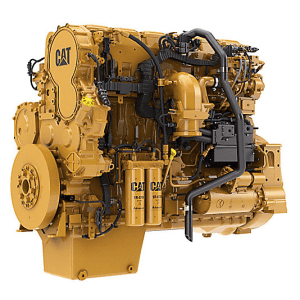
If you’ve been searching for a Caterpillar C15 engine for sale, you already know what this engine means to the people who run trucks, generators, and heavy equipment for a living. The C15 built Caterpillar’s reputation in the on-highway diesel world, and it’s still one of the most requested used engines we source, test, and ship. We’re not going to spend this page trying to convince you that every used diesel is a good idea. We’re going to tell you what the C15 actually is, what it’s good at, what tends to go wrong with it, and how we get one ready to bolt into your truck or equipment without any surprises.
We stock tested, inspected Caterpillar C15 engines and ship them worldwide. Whether you’re rebuilding a fleet truck, replacing a blown engine in a Kenworth or Peterbilt, or repowering a generator set, we can get you a running, verified C15 and get it to your door.
What Is the Caterpillar C15?
The C15 is a heavy-duty, inline six-cylinder diesel engine that Caterpillar built for on-highway trucks, industrial equipment, marine propulsion, and stationary power applications. It replaced the 3406E in Caterpillar’s on-highway lineup in the late 1990s and quickly became one of the most common engines sitting under the hood of Class 8 trucks through the 2000s. You’ll find it in Kenworth W900s and T800s, Peterbilt 379s and 389s, Freightliner Classics and Columbias, and Western Star trucks, along with a long list of industrial and marine installations.
Caterpillar built the C15 in a few different forms over its production run. Earlier versions used a HEUI (Hydraulic Electronic Unit Injection) fuel system and are known among mechanics for being relatively straightforward to work on. Later versions, badged C15 ACERT, added more electronics and emissions hardware to meet tighter regulations, which improved emissions control but also added complexity. Caterpillar stopped building the C15 for on-highway use in North America around 2010 as emissions rules pushed the industry toward different platforms, but the engine kept going strong in industrial, generator, and marine configurations for years after that. That long production run is part of why so many of these engines are still in service today, and why parts, knowledge, and rebuild experience for them are so widely available.
Caterpillar C15 Engine Specifications
| Configuration | Inline 6-cylinder, 4-stroke diesel |
| Displacement | 14.6 liters (893–895 cubic inches) on-highway; industrial-rated versions at 15.2 liters |
| Bore | 5.4 in (137 mm) |
| Stroke | 6.5 in (165 mm) on-highway |
| Horsepower | Roughly 435–625 hp depending on year and rating |
| Torque | Up to around 2,000–2,050 lb-ft |
| Aspiration | Turbocharged and aftercooled/intercooled; twin-turbo on some later ratings |
| Fuel system | HEUI on earlier versions, MEUI with ACERT technology on later versions |
| Firing order | 1-5-3-6-2-4 |
| Approximate dry weight | Around 2,900 lbs depending on accessories and configuration |
These numbers moved around from year to year and rating to rating, since Caterpillar offered the C15 in multiple horsepower configurations to fit different trucks and duty cycles. When we list a C15 for sale, we tell you exactly which configuration and rating you’re getting so there’s no guessing when it’s time to match it to your application.
Where the C15 Gets Used
The C15’s biggest claim to fame is Class 8 on-highway trucking, but it never stayed in one lane. Long-haul carriers ran it for its combination of power and durability. Construction and mining operations ran it in dump trucks and heavy equipment. Marine outfitters used C15 variants for propulsion in workboats and pleasure craft. Industrial customers used it in generator sets, pumps, and compressors where a dependable diesel with a long service interval mattered more than anything else. That range of use is exactly why the used market for this engine stays active. Whatever application you’re running, there’s a good chance a C15 was built for something close to it.
Why Buyers Choose a Tested Used Engine Over Guessing on One
Anyone can list a used engine. Getting one that actually runs the way it should when it arrives is a different story. We don’t sell engines we haven’t looked at closely. Before a C15 goes up for sale, it goes through compression testing, a visual and mechanical inspection of the block, heads, and major components, an oil and coolant check for signs of internal problems, and a runtime evaluation whenever the setup allows for it. If something doesn’t check out, it doesn’t get listed as tested and ready to run — we tell you exactly what condition it’s in instead.
That matters because a Caterpillar C15 represents a real investment, whether you’re buying it for a fleet truck that needs to be back on the road this week or a piece of equipment that can’t sit idle. Buying tested takes the guesswork out of it. You know the compression numbers, you know what was checked, and you know what you’re bolting in.
What We Check During Inspection
Every C15 that comes through our shop gets checked in the same places mechanics know to look on this engine. We check cylinder compression across all six cylinders to catch worn rings or valve issues early. We inspect the turbocharger for shaft play and housing damage, since turbo failure is one of the more common reasons a C15 gets pulled in the first place. We look over the head gaskets and check for coolant intrusion, a known weak point on high-mileage units that ran hot at some point in their life. We check the oil for metal content and contamination, which tells us a lot about bearing and internal wear. And we go over the wiring harness and sensors on ACERT-equipped units, since those systems can be finicky if they haven’t been maintained.
None of this is exotic. It’s the same checklist an experienced diesel mechanic runs through before signing off on any used C15. We just do it before the engine ever leaves our facility instead of leaving you to find out the hard way.
Common Issues on the Caterpillar C15
No engine with this many miles on the road is problem-free, and being upfront about that is part of buying smart. The most commonly reported issues on the C15 include turbocharger wear and failure, particularly on units that were run hard without regular maintenance. Overheating is another recurring theme, and it usually traces back to a coolant system that wasn’t kept up, which can eventually lead to head gasket failure if ignored long enough. High-mileage units can develop oil leaks around the rear main seal and valve covers, which are usually manageable but worth knowing about before you buy. On ACERT-equipped engines, the added sensors and emissions components can act up if they haven’t been serviced, and diagnosing them sometimes takes a scan tool rather than a wrench. Internal wear on crankshafts and bearings shows up eventually on any engine that’s logged hundreds of thousands of miles, which is exactly why compression and oil analysis matter so much during inspection.
The upside is that none of these are mysteries. Diesel techs have been working on C15s for close to three decades now, parts are widely available, and a properly inspected used engine lets you sidestep most of these problems before they ever become yours.
Used vs. Remanufactured vs. New
A brand-new C15 isn’t really an option anymore since Caterpillar discontinued on-highway production, which is part of why the used and remanufactured markets for this engine stay so active. A remanufactured engine gets torn down to the block and rebuilt with new or reconditioned components throughout, which costs more but resets the wear clock close to zero. A tested used engine, like the ones we sell, sits in between — you’re getting a proven engine at a fraction of remanufactured pricing, with the inspection data to back up what you’re buying. For a lot of fleet operators and equipment owners, that combination of cost and reliability is exactly the right call, especially when the alternative is an unknown engine from an unverified seller.
How We Source Our Caterpillar C15 Engines
We pull engines from trucks and equipment that are being retired, salvaged, or upgraded, not from engines that were already failing. Before anything gets listed, it’s pulled, cleaned, inspected, and tested using the process outlined above. We keep records on what we find so that when you buy a C15 from us, you’re not buying blind. If you have questions about a specific engine’s history or test results before you commit, our team can walk you through exactly what we found.
Installation Notes
Swapping a C15 into a truck or piece of equipment isn’t a weekend job for most shops, but it’s a well-documented process given how common this engine has been for so long. Make sure your mounts, wiring harness, and ECM programming are compatible with the specific rating and version of the C15 you’re installing, since horsepower ratings and emissions hardware varied across production years. If you’re moving from a mechanical pre-ACERT engine to an ACERT unit, or the other way around, double-check your cooling system and wiring compatibility before you start turning wrenches. When in doubt, a shop that’s done C15 swaps before will save you time compared to figuring it out engine by engine.
Signs Your Engine Needs Replacing
Diesel engines usually tell you they’re in trouble before they quit completely. Watch for declining compression across cylinders, persistent blue or white smoke from the exhaust, coolant that keeps disappearing without an obvious external leak, oil pressure that drops or fluctuates at operating temperature, and a noticeable loss of power under load that a fuel or turbo repair doesn’t fix. Any one of these on its own might be a smaller repair. Several of them together usually mean the internal wear has caught up with the engine, and replacing it with a tested used C15 costs less and gets you back to work faster than an open-ended rebuild.
C15 vs. 3406E vs. C13: How It Stacks Up
A lot of buyers comparing a Caterpillar C15 engine for sale against other Caterpillar options want to know how it stacks up against the 3406E it replaced and the smaller C13 that sat alongside it in the lineup. Compared to the 3406E, the C15 offered a more refined fuel system, better fuel economy in most duty cycles, and, on ACERT-equipped versions, meaningfully cleaner emissions. Mechanically, the two share a lot of DNA, which is part of why techs who cut their teeth on 3406Es generally have an easy time working on a C15. Against the C13, the C15’s larger displacement and higher torque ceiling make it the better choice for heavier loads, long-haul routes, and equipment that spends most of its life under sustained heavy demand, while the C13 tends to suit lighter regional or vocational work where weight savings matter more than outright grunt. If your application calls for maximum pulling power and long-term durability under real load, the C15 is usually the one experienced buyers land on.
What a Failed Engine Actually Costs You
It’s easy to look at the price of a used engine and forget to weigh it against the cost of not having one. A truck sitting in the yard waiting on an engine isn’t earning freight. A generator that’s down isn’t backing up anything. A piece of construction equipment parked because of a blown engine is a crew standing around instead of working. When you add up lost revenue, rental equipment to cover the gap, and the labor cost of tearing into a dead engine versus swapping in a tested one, a properly inspected Caterpillar C15 engine for sale usually pencils out a lot better than it looks at first glance. That’s the real reason so many fleet managers and equipment owners lean toward a tested used engine instead of rolling the dice on a full rebuild of a questionable core.
Why Duty Cycle Matters When Buying This Engine
Not every C15 rating is built for the same job, and matching the engine to your duty cycle matters more than chasing the highest horsepower number on the spec sheet. A long-haul truck cruising at steady highway rpm for hours at a time puts different stress on an engine than a dump truck working stop-and-go in a quarry, and a stationary generator running at a fixed load is a different story again. When you’re shopping for a Caterpillar C15 engine for sale, it’s worth telling us what you’re planning to run it in, since the rating and condition that’s perfect for one application isn’t always the best fit for another. We’d rather steer you toward the right engine the first time than have you swap it out again in a year.
Worldwide Shipping and Payment
We ship Caterpillar C15 engines worldwide, not just locally. Wherever your shop, fleet, or project is located, we can arrange freight to get the engine to you. We accept standard payment methods for engine purchases, and our team will walk you through freight options, timelines, and any documentation needed for international shipments before you commit to anything. If you’re not sure what shipping to your location will run, reach out before you buy and we’ll get you a straight answer.
Why Fleets and Shops Keep Coming Back to This Engine
Part of the reason the C15 has held its value on the used market for so long comes down to familiarity. Diesel techs across the country have worked on thousands of them, parts networks are deep, and the failure points are well understood rather than mysterious. For a fleet manager trying to keep trucks moving without gambling on an unfamiliar platform, that track record counts for a lot. It’s not the newest engine on the market, and Caterpillar isn’t building fresh ones anymore, but the used and tested supply is deep enough that shops can keep specifying it with confidence for years to come.
Why Experienced Buyers Keep Specifying the C15
Ask a diesel mechanic who’s been in the trade for twenty years what they think of the C15 and you’ll usually get a straight answer: it’s a proven platform. That reputation wasn’t built on marketing, it was built on the number of these engines that have logged a million miles or more without a major rebuild when they were maintained properly. Buyers who’ve been burned by less common engines with thin parts support and limited mechanic familiarity tend to gravitate back toward the C15 for exactly that reason. When you’re running a business and downtime costs you money every single day, betting on an engine that every diesel shop in the country has seen a hundred times before isn’t a small thing. It’s often the deciding factor between two options that look similar on paper.
Frequently Asked Questions
What trucks came with a Caterpillar C15?
Kenworth W900 and T800, Peterbilt 379 and 389, Freightliner Classic and Columbia, and Western Star, among others, all used the C15 during its on-highway production run.
How much horsepower does a C15 make?
Depending on the year and rating, C15 output ranges from roughly 435 hp up to around 625 hp, with torque up to about 2,000–2,050 lb-ft.
Is a used C15 a good buy?
Yes, as long as it’s been properly tested and inspected. This is one of the most well-documented heavy-duty diesels on the road, which makes it easier to verify condition and history compared to less common engines.
Do you ship internationally?
Yes, we ship Caterpillar C15 engines worldwide and can work with you on freight and documentation for your specific location.
What’s the difference between a HEUI and ACERT C15?
HEUI versions came first and are known for being mechanically simpler. ACERT versions came later with added electronics and emissions equipment to meet tighter regulations, which improved emissions performance but added more systems that need to be maintained properly.
Bottom Line
The Caterpillar C15 earned its reputation the hard way, through millions of miles on real trucks and thousands of hours on real equipment. If you’re looking for a Caterpillar C15 engine for sale, buying one that’s been tested and inspected rather than guessing on an unknown unit is the difference between a smooth install and an expensive surprise. Take a look at our Caterpillar 3306 engine for sale or our Caterpillar C18 marine engine if you’re comparing options across the Caterpillar lineup, browse our full Caterpillar engine category for more choices, or read more on the C15’s background at Wikipedia. Ready to move forward? Contact us and we’ll help you get the right engine shipped to you, wherever you are.
Reviews
There are no reviews yet.